
close
Choose Your Site
Global
Social Media

Views: 0 Author: Site Editor Publish Time: 2026-08-12 Origin: Site


Digital foiling offers exceptionally high margins for commercial printers. It transforms plain printed sheets into premium metallic deliverables quickly. However, selecting an improper material dimension often disrupts these profit margins entirely. Mismatched dimensions lead to excessive material waste during long production runs. They also cause severe machine jamming or compromise final metallic adhesion.
Buying off-the-shelf craft sizes for commercial runs destroys profitability almost immediately. Conversely, oversized industrial rolls frequently fail to fit standard digital sleeking equipment. Operators struggle to balance these physical constraints daily while trying to maintain tight production schedules. Understanding material specifications prevents costly downtime and wasted inventory.
This article provides a definitive, technical framework for print professionals. We will help you evaluate and select correct specifications based on your specific job mix. You will learn to navigate equipment constraints and unit economics effectively. By mastering these parameters, you ensure smoother production workflows and higher profitability per sheet.
Material waste destroys job profitability faster than any other production factor. If you use a 12-inch roll for a consistent run of 4-inch wide graphics, you throw away 66% of the web. This represents unrecoverable material waste. You pay for inches you never transfer onto paper. Over thousands of sheets, this wasted space erodes your profits entirely. Calculating exact coverage prevents this silent financial drain.
Operational efficiency relies heavily on exact material sizing. Choosing the right digital foil roll size eliminates manual web slitting. Your operators avoid dangerous, time-consuming blade work before mounting the web. Proper sizing also speeds up machine changeovers between different print jobs. Fast changeovers keep your press room moving smoothly without bottlenecks.
Many printers fall for the dangerous "One-Size-Fits-All" myth. They mistakenly assume a single maximum-width roll is most cost-effective. They use it across diverse short-run jobs to simplify their inventory room. This approach is fundamentally flawed. It maximizes waste on smaller designs and slows down production. You must match the roll directly to your specific daily applications.
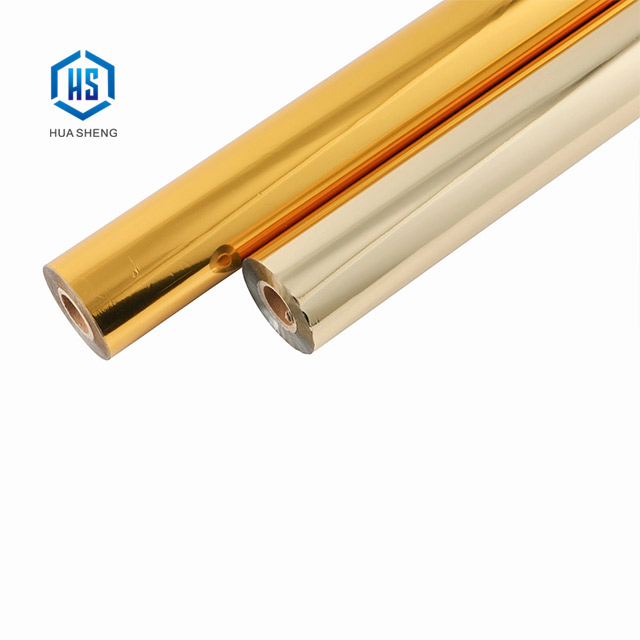
You must establish a strict sizing rule for your press room. The width only needs to cover the toner-printed image area. It does not need to cover the entire substrate. The rare exception occurs when you perform full flood coating. For targeted spot graphics, keep the web as narrow as possible. Selecting an optimal toner foil width significantly reduces excess usage and saves money.
Common commercial dimensions suit different daily applications. Understanding these standards helps you order inventory correctly.
We must address critical tracking and tension risks here. Running a narrow web on a wide fuser roller causes uneven pressure. The rollers press directly against each other outside the active web area. This dynamic leads to flaking or incomplete metallic transfer on the edges. You must center the web perfectly and adjust your roller pressure accordingly to avoid edge tearing.
| Web Dimension | Primary Application | Risk Factor |
|---|---|---|
| 4 to 6 inches | Ribbons, labels, targeted spot graphics | High roller wear on edges |
| 8 to 10 inches | A4/Letter portraits, invitations | Moderate tension balance required |
| 12 to 13 inches | SRA3 sheets, full page graphics | Requires pneumatic tension control |
You must carefully compare core diameters before ordering materials. One-inch cores are incredibly common for light-commercial machines. They fit heavy-duty pouch laminators perfectly. Three-inch cores are standard for industrial digital sleeking machines. You must verify your machine's spindle size before purchasing. Mismatched cores cause immediate tension failures and ruin whole batches.
Physical weight and friction constraints matter greatly during long runs. Mounting a 500-meter commercial spool on equipment meant for 30-meter craft spools causes severe motor drag. Small laminator motors struggle to pull the heavy master spool forward. This drag alters the vital speed-to-heat ratio. It ultimately ruins the metallic transfer and causes unsightly diagonal wrinkling across the sheet.
Consider your inventory turn carefully when buying specialty finishes. Toner-reactive adhesives possess a defined, limited shelf life. Over-ordering massive lengths for infrequent colors risks adhesive degradation. Rose gold or holographic patterns might sit on shelves for twelve months. The reactive layer degrades before you finish the batch. Buy smaller lengths for specialty colors to ensure optimal release.
You face strict constraints when operating heated roller laminators. Modified pouch laminators serve as entry-level solutions for many small shops. They strictly limit your material options. When using laser printer foil in these devices, you must use shorter lengths. They require smaller cores and lighter overall weights to prevent internal motor burnout.
Pneumatic sleeking systems handle commercial workloads beautifully. Systems from industry leaders like Matrix or GMP excel in high-volume environments. They handle tension adjustments automatically via compressed air controls. These robust machines accommodate wider, significantly heavier master spools. They maintain consistent downward pressure across extremely long production runs.
Remind your purchasing team about rewind mandrel requirements constantly. You need take-up capacity equal to the supply spool size. As the clean web feeds into the fuser, the waste web feeds out. If your take-up core is too small, it jams the exit path. You must manage the waste web seamlessly without continuous manual intervention by the operator.
You must rigorously evaluate usable yield over the baseline price. Operators should calculate the actual Cost-Per-Linear-Foot (CPLF). Do not just look at the initial sticker price per spool. A cheaper option might contain severe defect zones or splicing tapes. It might yield significantly less usable material per batch.
Partnering with a reliable print shop foil supply vendor transforms your daily workflow. Premium vendors offer highly accurate custom slitting services. They cut massive master spools to your exact required widths. This specific service provides better long-term financial returns. It minimizes the unrecoverable waste we discussed earlier in the production cycle.
Emphasize testing for chemical release and heat parameters. You must request sample materials from your vendor immediately. Test a sample toner reactive foil roll against your specific digital press toner. Ricoh, Konica, and Xerox presses use completely different toner formulations. Each printer brand requires specific fusing temperatures for optimal metallic release. Never skip this vital testing phase.
Selecting the correct material size dictates your ultimate profitability in digital foiling. You must thoroughly audit your most common substrate sizes first. Measure your exact machine core dimensions and total weight limits. Calculate your acceptable waste percentages before placing any bulk orders. This disciplined approach eliminates frustration and stops daily margin erosion.
Take an actionable next step today to optimize your press room. We recommend starting with a standard 12-inch by 300-meter configuration. Choose a reliable core color like traditional gold or silver. Use this basic setup to baseline your tension and heat settings. Once dialed in properly, you can expand into custom widths and specialty holographic finishes comfortably.
A: Not recommended without a lathe or proper slitting machine. Manual cutting creates jagged edges that tear during the heated tension process, ruining the run.
A: Usually a mismatch between roll weight and machine tension, or using a roll width much narrower than the fuser rollers, causing uneven pressure.
A: Rarely. Commercial rolls are typically too heavy and use 3-inch cores, whereas standard laminators require lightweight rolls on 1-inch cores to maintain proper feed speed.


