
close
Choose Your Site
Global
Social Media

Views: 0 Author: Site Editor Publish Time: 2026-08-24 Origin: Site


High-speed tobacco manufacturing relies heavily on absolute material precision. Packaging material tolerances directly impact your overall equipment effectiveness (OEE). When materials deviate from strict engineering baselines, production lines fail rapidly. Substandard materials cause frequent machine jamming and sudden foil snapping. They also lead to severe flavor degradation and costly compliance failures. These continuous disruptions waste valuable time and permanently damage brand reputation. This article provides procurement and production engineers an objective framework. You will learn to evaluate and shortlist potential suppliers using strict criteria. We explore mechanical tolerances, chemical compliance, and automation compatibility in depth. You can confidently select materials engineered for seamless high-speed performance. Understanding these precise technical dynamics separates profitable operations from constant downtime.
High-speed tobacco machinery pushes packaging materials to their absolute limits. Theoretical material yield often degrades under extreme physical stress. Modern packaging equipment runs between 400 and 800 packs per minute. At these rapid speeds, minor material inconsistencies cause catastrophic line jams. You must align physical material limits precisely to match machine dynamics.
Rapid acceleration and sudden deceleration define high-speed packaging runs. The physical inertia of a foil roll creates immense stress during a sudden stop. If the material lacks structural integrity, micro-tears develop along the edges. These tiny tears expand rapidly during the next acceleration phase. You must evaluate materials based on dynamic stress tests, not just static laboratory results.
Tensile strength dictates the maximum pulling force the material endures. Rapid start-stop cycles demand exceptional resistance to sudden tension spikes. We evaluate specific Newton per square millimeter (N/mm²) thresholds. If tensile strength falls below the machine's pull tension, the foil snaps instantly. Elongation metrics represent the material's ability to stretch slightly before failure. Both properties must balance perfectly to survive continuous line tipper stamping without breaking.
Automated material handling inherently generates dangerous static electricity. Static buildup causes delicate aluminum layers to cling together stubbornly. This static clinging leads to severe misfeeds and crumpled cigarette packs. Manufacturers must optimize the Kinetic Friction Coefficient (COF) to prevent this. A precisely calibrated slip level ensures smooth feeding through complex roller guides. We recommend regular static elimination audits on your feeding units.
Foil rewinding demands perfectly consistent web tension at the factory. Inconsistent tension during manufacturing creates telescoped or dished rolls. Loading a telescoped roll onto a packaging line guarantees misalignment. The foil web drifts off-center almost immediately. This tracking error causes the optical sensors to reject thousands of packs. Excellent roll architecture remains fundamental to maintaining your OEE targets.
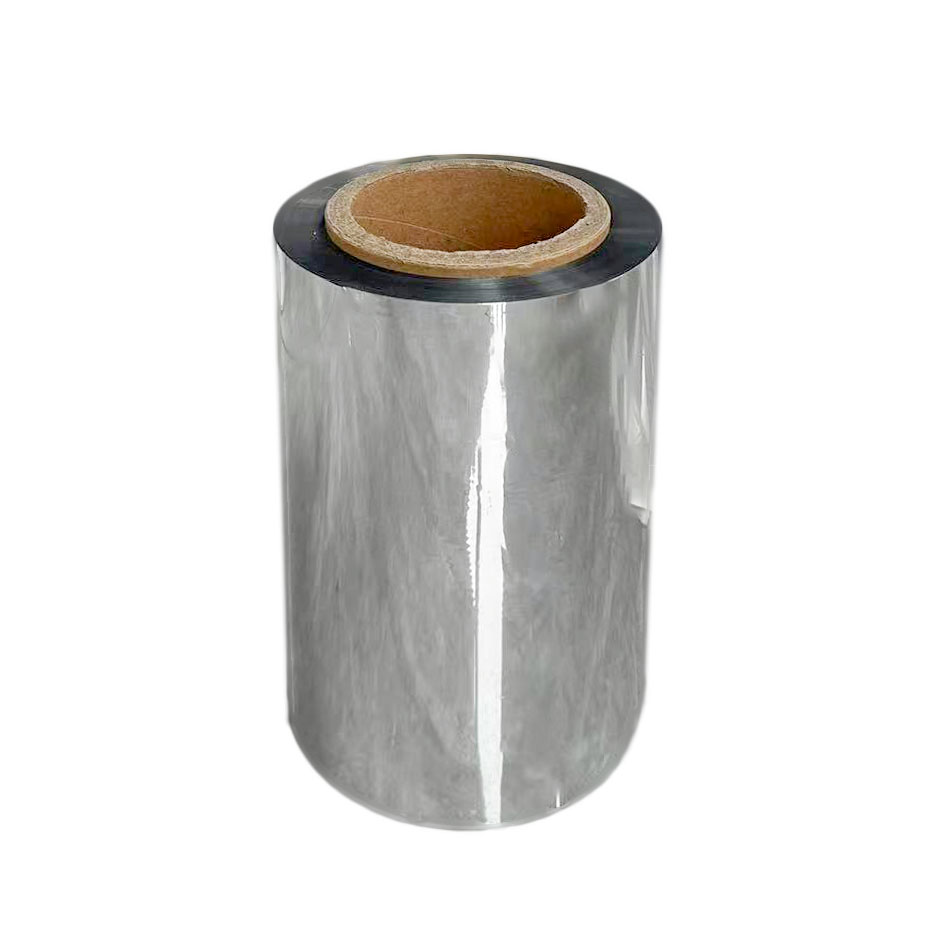
Standardizing your procurement criteria prevents catastrophic line failures. You must demand precise engineering tolerances from every supplier. Relying on vague product descriptions introduces unacceptable manufacturing risks.
Base aluminum thickness typically ranges from 5.5µm to 7.0µm. Production teams must enforce strict acceptable deviation percentages. A standard acceptable deviation remains ±5% across the entire web. Thinner foils risk breaking during high-tension operation. Thicker options complicate the mechanical folding process. Reliable tipper stamping foil specifications define these operational ranges clearly.
Tobacco products require strict environmental protection to remain fresh. Shelf-life relies entirely on moisture and oxygen control. We measure barrier efficacy using two critical industry metrics.
High WVTR allows vital moisture to escape the pack. This degrades the tobacco's natural aroma and freshness quickly. Excellent barrier properties correlate directly with prolonged shelf-life. They also guarantee robust aroma retention during extended global transit.
Hot stamping requires precise chemical layers to function correctly. The primer and release lacquer dictate final stamping quality. During thermal transfer, the release coating must activate cleanly. Poor release coatings leave sticky residue on your machinery. Alternatively, they fail to transfer the complete design to the substrate. You must outline technical requirements for these layers in every contract.
Surface defects compromise both package aesthetics and barrier integrity. Pinhole counts per square meter must remain strictly regulated. Dead-fold characteristics guarantee the foil stays tightly folded. If the dead-fold memory is weak, the packaging springs open. Spring-back ruins the structural integrity of the outer carton.
Table 1: Standard Procurement Tolerances for Packaging Foils
| Specification Metric | Target Range | Acceptable Deviation |
|---|---|---|
| Base Aluminum Thickness | 5.5µm - 7.0µm | ± 5% |
| Tensile Strength | > 45 N/mm² | Strict minimum threshold |
| Pinhole Count | 0 large, < 5 micro/m² | Zero tolerance for large |
| Core Inner Diameter | 76mm or 152mm | ± 0.5mm |
Global tobacco packaging standards evolve continuously to protect consumer health. Regulatory bodies heavily scrutinize direct and indirect contact materials. You must proactively adapt your procurement strategy to meet these changing laws.
Governments increasingly ban specific halogens, heavy metals, and volatile organic compounds (VOCs). These harmful chemicals previously existed in legacy inks and adhesives. Implementing a certified halogen-free foil ensures you meet these strict contact-material laws. Ignoring these regulatory shifts guarantees expensive product recalls and severe fines.
You must build a rigorous chemical specification framework immediately. This requires mandatory REACH and RoHS certifications from your suppliers. Procurement teams must verify maximum allowable limits for hazardous substances. Specifically, you need strict thresholds for lead, cadmium, mercury, and hexavalent chromium. Routine chemical audits protect your brand from sudden regulatory action.
Do not accept generic safety claims from unverified manufacturers. Always demand third-party gas chromatography-mass spectrometry (GC-MS) test results. These analytical reports prove the actual chemical composition objectively. They provide crucial audit-ready documentation for global health regulators. Transparent documentation remains your best defense against compliance audits.
Transitioning to greener materials carries specific operational risks. Legacy chemical coatings behaved predictably under extreme heat and pressure. Halogen-free alternatives might alter material flexibility or adhesion rates slightly. Engineering teams must recalibrate heating jaws and tension rollers accordingly. Conducting staged pilot runs mitigates these transition risks effectively.
Automated systems demand flawless physical material integration. Even the highest-quality chemical compositions fail if physical dimensions mismatch. OEM machine specifications strictly dictate your physical procurement requirements.
The physical roll architecture must align perfectly with your equipment. Standard inner core diameters sit exactly at 76mm or 152mm. Material choice for the core matters significantly. Crush-resistant cardboard prevents deformation during transit. Plastic cores offer superior dust control in cleanroom environments. You must specify the maximum outer diameter (OD) and roll width precisely. These dimensions ensure compatibility with specific OEM machinery, such as Focke or GD packers. Using incorrect packaging line foil dimensions causes immediate feeding errors.
Splices disrupt high-speed continuous runs and cause sensor faults. You must define acceptable splice counts per roll clearly. The ideal splice count is always zero. If splices remain unavoidable, strictly limit them to two or fewer. Furthermore, specify the exact type of splicing tape required. The tape color and reflectivity must not trigger optical sensors falsely. False triggers cause automated systems to reject perfectly good product batches.
Modern foils utilize precise heat-seal activation technologies. You must map the foil’s activation temperatures against your existing packaging machines. If the heating jaw runs too hot, material burn-through occurs instantly. If it runs too cold, weak seals compromise the moisture barrier. Calibrating thermal compatibility prevents both scenarios completely. Consistent heat sealing maintains optimal production speeds and protects the tobacco.
Materials placed closely near the user require elevated safety standards. A premium cigarette holder foil involves stringent direct contact constraints. You must distinguish these specifications from standard outer bundle liners.
This foil sits in direct proximity to the filter or holder. Consequently, toxicity limits are absolute and heavily regulated. The material must never leach any substances when exposed to moisture. It must withstand ambient heat from the user safely. Food-grade certification is a mandatory baseline for these specific applications.
Brands use intricate logos to signify premium product quality. The material needs specific mechanical parameters to hold micro-embossed patterns. If the foil is too brittle, micro-fracturing occurs in the aluminum layer. These micro-fractures destroy the moisture barrier instantly. We must balance aesthetic stamping quality with strict barrier retention. Optimized elongation properties prevent cracking during the micro-embossing process.
Tobacco readily absorbs surrounding odors and chemical taints. We must establish rigorous testing protocols for residual solvents. You measure these microscopic solvents in milligrams per square meter (mg/m²). Guaranteeing a low solvent count ensures zero metallic or chemical odors transfer. Complete flavor neutrality protects the intended premium consumer experience.
Selecting a reliable supplier demands an objective testing methodology. Do not rely solely on initial technical data sheets.
Create a strict checklist to evaluate potential suppliers systematically.
Always validate new materials through a rigorous staged protocol. Skipping steps guarantees future production line failures.
Watch out for suspiciously low price quotes. Suppliers offering prices significantly below market averages usually cut invisible corners. They often compromise base aluminum purity to save money. Alternatively, they apply inadequate coating thicknesses to reduce chemical costs. Both shortcuts result in disastrous high-speed packaging line failures. Protect your OEE by focusing on consistent material quality over initial cost savings.
Optimal foil selection remains a rigorous engineering decision. It is never merely a basic procurement cost exercise. Validating exact specifications through rigorous, staged line testing proves essential. This remains the only proven method to protect line efficiency and brand reputation. Rushing the selection process guarantees severe machine downtime and wasted materials. Always demand comprehensive evidence of chemical compliance and mechanical capability. Your next action is clear and immediate. Contact your shortlisted suppliers to request detailed technical data sheets (TDS). Additionally, ask for localized compliance certificates specific to your target regulatory markets. Implementing these stringent validation steps ensures your high-speed automated lines run flawlessly.
A: Standard thickness typically ranges from 6 to 7 microns for the base aluminum. When laminated with a paper backing, the total caliper increases significantly. You must select the final thickness based on the specific feeding mechanism of your packing machinery. This ensures optimal dead-fold characteristics and reliable sealing.
A: High-quality halogen-free variants are engineered to match legacy production speeds perfectly. However, they usually require precise heat-seal temperature recalibration initially. Once operators adjust the heating jaws to the new chemical activation points, machines easily maintain outputs of 400 to 800 packs per minute.
A: Industry standards demand zero large pinholes across the entire web. We also enforce strict limits on micro-pinholes, typically allowing fewer than five per square meter. Adhering to these strict limits ensures absolute barrier integrity. This protects the sensitive tobacco from rapid moisture loss and oxidation.
A: You should mandate strict supplier batch reporting requirements in your contracts. High-quality suppliers provide digital or physical splice maps for every roll. Additionally, modern manufacturing lines use specialized optical sensors to flag splicing tape visually. This allows operators to bypass the spliced section without halting continuous production.


