
close
Choose Your Site
Global
Social Media

Views: 0 Author: Site Editor Publish Time: 2026-08-19 Origin: Site


Inadequate foil adhesion carries heavy hidden costs for apparel manufacturers. High return rates destroy profit margins quickly. Degraded brand perception alienates your loyal customer base. Wasted production runs continuously drain your precious material resources. Subjective durability claims mean nothing in modern commercial apparel production. You must ground your quality control in a standardized textile foil wash cycle test. Reliable testing provides the only objective proof of actual resilience against everyday consumer habits. Selecting the right test protocol bridges the gap between optimistic supplier claims and actual garment lifespans. It eliminates costly guesswork from your daily manufacturing workflow. Proper evaluation ensures confident material procurement for your high-volume printing operations. You will learn how to set strict baseline metrics and choose optimal testing standards. We will also explore application variables and vital substrate compatibility rules.
Visual inspection upon application tells you very little. Foil looks its absolute best immediately after pressing. The real return on investment shows at the tenth wash. Many printers mistakenly approve materials based on immediate visual appeal alone. They ignore the harsh mechanical stress garments endure during domestic cleaning. This critical oversight leads to catastrophic flaking and immediate customer complaints.
You must define clear success criteria immediately. What constitutes a passed test for commercial apparel? A rigorous standard demands zero micro-flaking at ten washes. You should also expect less than 10% gloss loss at twenty-five washes. These strict metrics provide a quantifiable baseline. They replace subjective opinions like "it looks good" with verifiable hard data. You can measure gloss loss using standard industrial reflectometers. We recommend documenting edge sharpness under controlled lighting conditions.
You also need highly realistic expectations. Let us speak frankly about material science realities. All metallic and holographic foils degrade eventually. The primary goal is predictable lifecycle alignment. You want the print to align perfectly with the underlying garment lifespan. It is never about absolute permanence. If a cotton shirt normally lasts thirty washes, the foil should look acceptable for those thirty washes. Setting unattainable expectations only causes deep frustration. True fabric foil durability comes from matching performance metrics directly to realistic consumer habits.
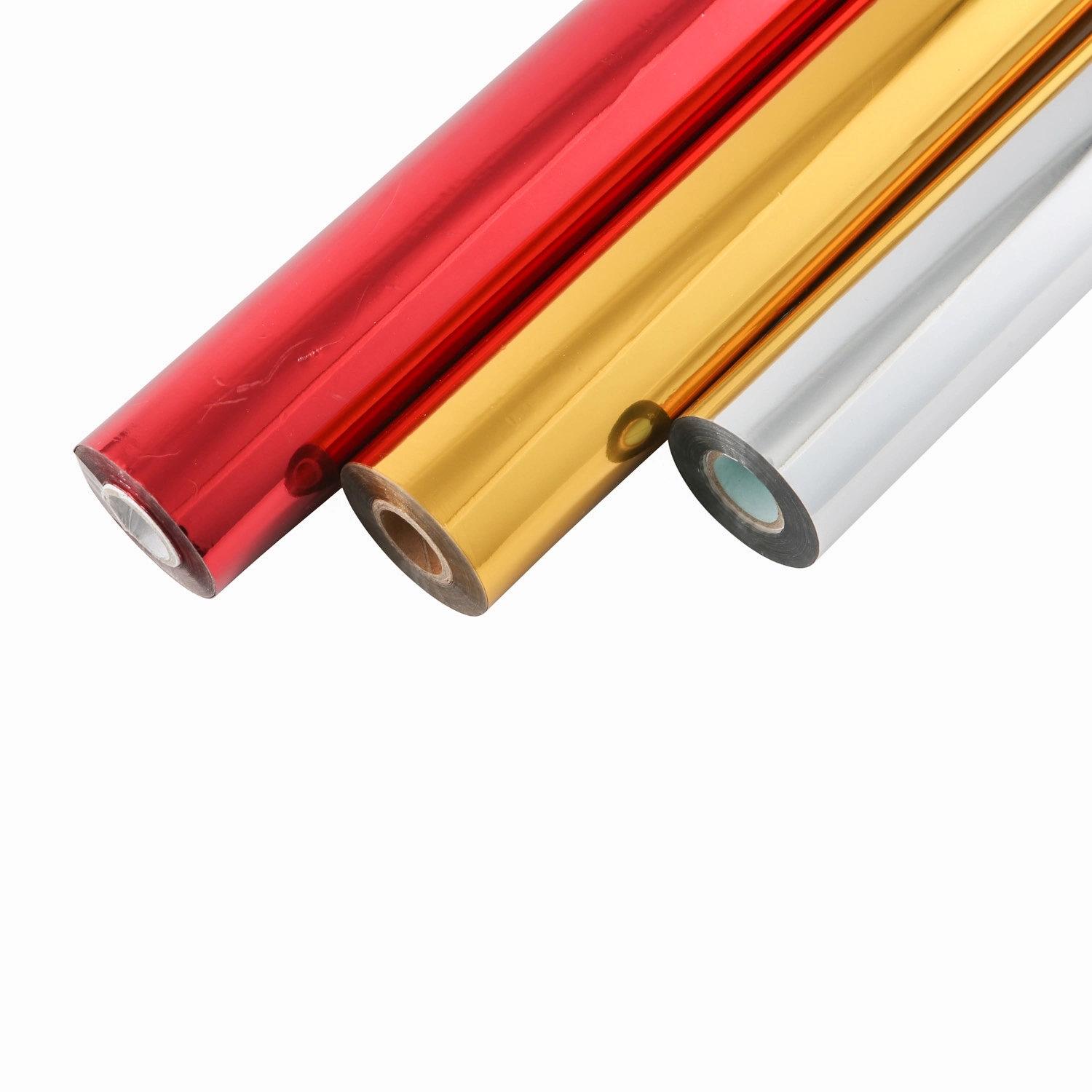
We must evaluate different solution categories for accurate testing. Standard laboratory protocols offer strict environmental controls. Real-world domestic simulation offers practical, everyday accuracy instead. Laboratory tests use specialized equipment like heavy-duty launder-ometers. These specialized machines replicate months of washing in mere hours. Domestic simulation utilizes standard consumer washing machines. Both methods provide immense value, but they serve entirely different purposes in your quality control process.
Let us compare ISO 105-C06 and AATCC 61 directly. These represent the global gold standards in textile testing. ISO 105-C06 focuses heavily on European testing norms. It uses specific reference detergents and highly precise temperature controls. AATCC 61 represents the primary American testing standard. It incorporates heavy steel balls inside the test canisters. These steel balls replicate the abrasive wear-and-tear of multiple home launderings accurately. This severe abrasion effectively simulates the physical stress placed on hot stamping foils. Choosing between them usually depends on your target export market.
| Test Protocol | Primary Mechanism | Temperature Range | Best Used For |
|---|---|---|---|
| ISO 105-C06 | Chemical degradation via standard detergents | 40°C - 60°C | European market compliance and base chemical testing |
| AATCC 61 | Mechanical abrasion using steel ball bearings | 40°C - 49°C | Simulating long-term physical wear and abrasive damage |
| Domestic Wash | Real-world household washing simulation | 30°C - 40°C | In-house daily quality control and fast turnaround |
For mid-sized operations, lab testing often feels overly expensive. You can implement a standardized domestic wash alternative safely. This in-house washfastness test requires strict operational discipline. Set your washing machines to a standard 30°C or 40°C cycle. Use a mild, standardized liquid detergent every single time. Strictly prohibit bleach or harsh fabric softeners. Mandate simple line drying instead of aggressive tumble drying for the initial baseline. Document every single step meticulously to ensure perfect repeatability.
Consider multiple evaluation dimensions during your tests. Mechanical friction impacts foil quite differently than chemical degradation. Tumble drying introduces severe mechanical friction rapidly. The garments constantly rub against each other and the harsh metal drum. This extreme friction causes surface scratching and severe edge flaking. Conversely, chemical degradation stems from harsh household detergents. High alkalinity chemically attacks the underlying adhesive base. It causes widespread fading and massive loss of metallic brilliance. You must evaluate both dimensions carefully to truly understand your material limits.
A failed test frequently indicates an underlying application failure. It rarely means you purchased a defective material. Implementation realities dictate an uncomfortable truth for many shops. User error ruins far more prints than bad chemistry ever does. You might naturally blame the material supplier first. However, the true culprit usually sits inside your own production room. Temperature drops, uneven pressure, and improper peeling routinely ruin adhesive bonds. You must eliminate these variables completely before blaming the foil itself.
Mastering the T-shirt heat transfer standard operating procedure is strictly non-negotiable. You must absolutely follow the Technical Data Sheet (TDS). The TDS outlines exact parameters for heat, time, and platen pressure. Do not guess these vital settings. Use a digital pyrometer weekly to verify your heat press platen temperature. Platen heaters degrade over time, creating hidden cold spots. A minor five-degree drop prevents the adhesive from melting fully.
Pay close attention to specific peel instructions. You must deeply understand the critical difference between cold-peel and hot-peel foils.
You must strictly respect the 24-to-48 hour curing window. This remains an absolute chemical necessity for proper bonding. Foil adhesives usually interact with specialized transfer papers or plastisol bases. These multiple chemical layers need ample time to crosslink fully. Crosslinking creates a permanent molecular bond between the foil and the garment fibers. Initiating a wash test too early destroys this delicate process entirely. The water penetrates the soft, un-cured adhesive easily. The foil will simply wash away rapidly, giving you a completely false negative result.
Compatibility nuances constantly challenge experienced production managers. The exact same foil performs radically differently across various textiles. A setup working perfectly on one shirt might fail miserably on another. You cannot treat all commercial garments equally. The base fabric fundamentally alters the adhesive penetration depth and flexibility. Understanding this vital matrix prevents disastrous production runs entirely.
Consider the stark differences between natural cotton and synthetic polyester. Cotton features high natural fiber breathability. This open physical structure allows certain adhesives to sink deeper into the weave. Deep penetration naturally creates a highly resilient mechanical anchor. However, cotton suffers greatly from surface fibrillation. Tiny microscopic fibers break and stand up during repeated washing. This fibrillation pushes violently against the foil from underneath, causing micro-cracking over time.
Polyester and nylon behave completely differently under heat. These smooth synthetic surfaces offer incredibly high initial gloss. The foil sits perfectly flat, reflecting maximum light back to the viewer. Unfortunately, they suffer from extremely poor moisture absorption. The adhesive relies purely on basic surface tension to grip the slick fabric. During warm washes, synthetic fibers experience rapid thermal expansion. The fabric stretches outward, but the rigid metallic foil cannot keep up. This physical mismatch causes sudden adhesion failure and large-scale flaking.
You need a strong, reliable risk mitigation strategy. Never rely on one universal fabric swatch test. We strongly recommend running identical, parallel wash cycle tests. Test every single intended production substrate simultaneously. Apply the new washable textile foil to the exact cotton, polyester, and blend shirts you plan to sell. Wash them all in the exact same load. This direct side-by-side comparison reveals the true compatibility of your chosen materials perfectly.
Sourcing materials requires strict, objective shortlisting logic. You need a solid framework for evaluating manufacturer claims before purchasing bulk rolls. Do not blindly trust shiny marketing brochures. Marketing teams love using words like "premium" and "ultra-durable." You need solid hard data to back up those lofty claims. A systematic evaluation intensely protects your production line from sub-standard materials.
Start with rigorous TDS document verification. Demand specific durability metrics on your supplier's Technical Data Sheet immediately. Look closely for the exact micron thickness of the metallic layer. Thicker metallic layers generally resist chemical fading much better. Check the strict wash-temperature maximum limits. If a supplier refuses to guarantee performance at 40°C, look elsewhere rapidly. Ask detailed questions about compatible adhesive resins. The foil must match your specific screen printing adhesives perfectly.
Implement a highly robust sampling strategy immediately. Follow these exact steps to ensure complete accuracy:
Define clear next-step actions for your procurement team. Guide them to request formal test reports from any shortlisted suppliers. Reputable manufacturers gladly provide third-party ISO or AATCC testing certificates. Ask for highly detailed technical support documentation and troubleshooting SOPs. Ensure your shop equipment can replicate their recommended test conditions accurately. If a foil requires industrial pneumatic presses and you only have manual clamshells, it will ultimately fail.
Effective wash testing completely removes the dangerous guesswork from material sourcing. It directly protects your hard-earned profit margins from avoidable product returns. Visual appeal matters initially, but long-term structural integrity keeps customers coming back. Standardized evaluation safely separates high-quality suppliers from unreliable vendors quickly.
Take immediate action to improve your production quality:
Establishing these strict baseline standards today guarantees far smoother production runs tomorrow. You will dramatically yield higher quality garments and generate significantly fewer customer complaints.
A: Most standardized tests use 30°C to 40°C temperature thresholds. These specific temperatures mimic standard consumer washing habits safely. High-temperature testing above 60°C drastically increases the overall risk of adhesive failure. Extreme heat causes the binding resins to soften prematurely, leading to severe flaking and massive gloss reduction. Always match your exact test temperature to the garment's printed care label.
A: Yes, washing garments inside out remains a crucial standard consumer care instruction. It significantly reduces direct mechanical friction against the harsh washing machine drum. During abrasive wear testing, exposing the foil directly to the drum speeds up scratching artificially. Replicating inside-out washing gives you a highly accurate simulation of expected real-world durability.
A: Industry benchmarks vary heavily by apparel category. For standard fast-fashion apparel, 10 to 15 washes represent highly acceptable durability. For premium athletic wear or high-end streetwear, the foil should easily withstand 25 or more washes without major degradation. Always define "durable" based strictly on the expected consumer lifecycle of the specific underlying garment.
A: Washing tests primarily measure basic chemical and thermal resistance against water and standard detergents. Scratch tests strictly measure mechanical surface durability. A foil might boast an incredibly strong adhesive base that survives washing perfectly. However, if its top clear-coat layer remains too soft, simple fingernail friction will quickly scratch the delicate metallic finish.


