
close
Choose Your Site
Global
Social Media

Views: 0 Author: Site Editor Publish Time: 2026-08-22 Origin: Site


Handbags undergo constant kinetic stress every single day. Straps bend, gussets fold, and exterior panels flex relentlessly during normal use. You need branding elements to survive this intense physical movement intact. Unfortunately, standard hot stamping foils often crack, flake, or peel under these exact conditions. This premature failure directly leads to high customer return rates and severe brand damage. The hard truth is there is no completely indestructible foil on the market today. Success actually relies on matching the specific adhesive sizing of a flex resistant leather foil to the chemical finish of your leather substrate. This article provides manufacturers and crafters an evidence-based framework for evaluating stamping materials. We guide you through testing and shortlisting foils engineered specifically for high-movement applications. You will discover how to prevent cracking and ensure permanent adhesion.
Many manufacturers wonder why standard materials fail on high-movement accessories. Performing handbag leather stamping demands products engineered for dynamic stress. A static book cover behaves very differently than a flexible handbag strap. Handbags flex constantly as users carry them. This kinetic action stretches the leather grain repeatedly.
When leather stretches, it distorts the microscopic foil layers resting on top. Standard formulations cannot handle this shifting substrate. They develop micro-fissures almost immediately upon bending. You will notice these tiny cracks expanding over time. Eventually, they cause highly visible flaking across your stamped logo.
Adhesive incompatibility creates another massive hurdle for crafters. Generic foil sizing often clashes against complex leather topcoats. Tanneries use acrylics, waxes, and polyurethane coatings to finish premium hides. A basic adhesive simply cannot bite through these heavy chemical barriers. It sits weakly on the surface instead of anchoring deep into the pores.
Crafters often try solving this by increasing their machine temperature. This creates the frustrating "heat-damage" paradox. Overheating forces the adhesive to melt faster. However, extreme heat destroys the elastic topcoat of the foil itself. This ironically reduces its overall flexibility completely. You end up burning the material entirely. The resulting stamp becomes rigid and highly prone to immediate cracking.
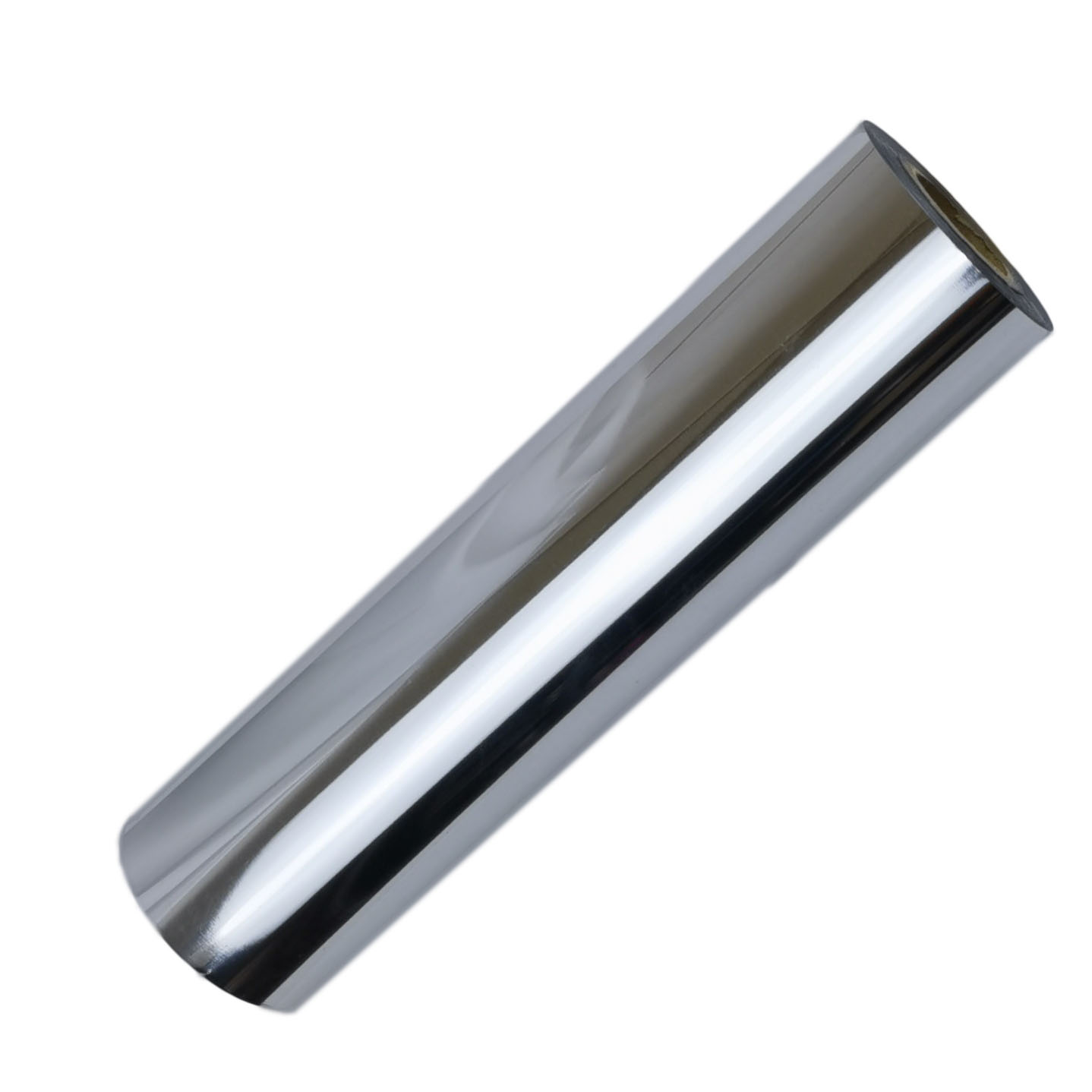
Commercial-grade stamping materials consist of several distinct microscopic layers. You must evaluate each layer to determine its suitability for leather goods. We break down these vital solution categories below.
The sizing layer physically bonds the decorative finish to your substrate. Look for "elastic" or "pliable" sizing formulations specifically. Manufacturers design these uniquely for genuine and synthetic leather. A rigid adhesive will snap when the leather bends.
You must carefully evaluate the thermal activation range. Lower activation temperatures preserve the natural temper of your hides. They prevent the grain from scorching during application. Elastic adhesives typically activate between 100°C and 120°C. This specific range protects delicate leathers effectively while securing the bond.
The release coat controls how easily the color layer separates from the carrier film. A clean release is absolutely critical for long-term success. Some products release too tightly from their backing. A tight release forces you to apply excessive mechanical pressure.
High pressure creates deep debossing in the leather surface. Deep impressions stress the surrounding grain heavily. This localized tension causes premature cracking around the stamped edges. You should always choose a formulation offering balanced, medium-to-easy release sensitivity.
Carrier film acts as the rigid backbone during the stamping process. Thinner PET carriers generally perform better on highly textured hides. A 12-micron carrier allows for highly precise heat transfer. Thicker films insulate too much heat from the die.
Thin carriers also conform much better to the natural grain texture. They press the pliable adhesive deeper into the microscopic leather pores. This deep structural anchor improves overall flexibility immensely.
Stamping Foil Anatomy and Leather Application Breakdown| Foil Layer | Primary Function | Ideal Specification for Leather |
|---|---|---|
| PET Carrier | Supports fragile inner layers during heat transfer. | 12-micron thickness for superior heat conduction. |
| Release Coat | Allows pigment or metal to separate smoothly. | Medium-to-easy release to minimize die pressure. |
| Color / Metal Layer | Provides the visual aesthetic (gold, silver, matte). | Soft-formulation, highly plasticized topcoat layer. |
| Sizing (Adhesive) | Bonds the visual layer permanently to the hide. | Low-temperature, highly elastic polymer blend. |
Selecting the right visual finish requires careful structural balancing. You want a beautiful aesthetic for your branding. However, you cannot compromise structural integrity. Different finishes behave differently under severe kinetic stress.
Metallic finishes carry a distinct mechanical risk. They utilize a microscopic vacuum-metallized aluminum layer to achieve their brilliant shine. Aluminum is naturally rigid and quite brittle. It does not stretch easily.
You must specify "soft-formulation" metallics for these demanding applications. Suppliers design these soft variants specifically for bookbinding or footwear. They contain highly plasticized topcoats. These specialized topcoats prevent the fragile aluminum from cracking. Using a standard gold leather foil often results in immediate flaking on bag straps. Always verify the formulation type before buying bulk rolls.
Pigment variants offer a distinct mechanical advantage over metallics. They completely lack the rigid metal layer discussed above. This inherently gives them superior foil flex durability out of the box. They stretch much more naturally.
However, pigment options come with specific chemical trade-offs. You might experience color shifting over time. Dye migration from heavily oiled leathers can also occur. The tannery oils seep upward and discolor the pigment layer. You should seal the leather beforehand if using matte colors on oily hides.
Brands often use clear varnishes for subtle, tonal logo branding. They create a beautifully darkened or glossy impression. Varnish options offer the highest possible flex resistance available today.
They blend directly into the existing finish of the substrate. They do not rely on fragile metal or heavy pigment layers. This makes them practically immune to normal kinetic cracking. They move perfectly in sync alongside the base material.
Implementation realities dictate your final stamping results. Foil performance changes drastically based on the exact leather chemistry. You cannot use one single roll for every project.
Vegetable-Tanned Leather:
Vegetable-tanned hides feature relatively open, natural pores. They lack heavy synthetic topcoats entirely. This allows for excellent mechanical grip during hot stamping. The adhesive penetrates the grain easily. Standard pliable foils usually perform very predictably here. You rarely need specialized aggressive sizings for veg-tan projects.
Chrome-Tanned Leather:
Chrome-tanned hides are highly variable in their chemical makeup. Tanneries coat them heavily to achieve uniform commercial colors. These finishes block standard adhesives completely. You need products featuring highly aggressive sizings for chrome-tanned goods. The adhesive must bypass surface treatments and fatliquors effectively. Otherwise, your logo will simply peel off after a few days.
PU / Vegan Leather:
Synthetic leathers present a unique chemical degradation challenge. Polyurethane (PU) contains highly volatile plasticizers. These chemicals migrate to the surface continuously. This migration breaks down standard adhesives over time. You cannot use standard genuine leather options on synthetics. You must source materials engineered specifically for synthetic substrates. These specialized options resist chemical degradation from plasticizer migration.
You must validate supplier claims before buying bulk materials. Pre-production testing mitigates massive financial risks for your business. Never trust a technical data sheet blindly. You should always run your own physical stress tests. Here is a proven testing framework to follow.
Common testing mistakes you should strictly avoid:
Choosing the right supplier is critically important. You need a technical partner who understands kinetic stress perfectly. Here are actionable next steps for vetting potential manufacturers.
Always ask for the official TDS before sampling anything. Verify the intended substrate list on the actual document. It must explicitly state "leather" or "PU". Do not accept products rated only for "paper or packaging". Those weak adhesives will fail on handbags instantly.
Handbag production often spans multiple years. You need extreme visual consistency across different dye lots. Ask the supplier directly about their quality control tolerances. Can they provide consistent metal lots for multi-year production runs? Inconsistent shades ruin cohesive accessory decoration efforts entirely. You must guarantee shelf stability.
Establish a strict internal purchasing mandate. Never buy bulk rolls without testing them first. Order a master sample roll from the distributor. Run it through the standardized stress tests mentioned earlier. Test it precisely on your specific leather hides. This simple preliminary step saves thousands of dollars in ruined inventory.
Flex resistance is not merely a marketing buzzword used by suppliers. It represents a measurable physical outcome achieved by matching correct adhesives to specific leather finishes. Follow these actionable final steps to guarantee your stamping success:
A: Flaking on straps usually occurs because the foil's adhesive layer is incompatible with the leather's topcoat. Sometimes, the application temperature was simply too low to properly activate the sizing. Bag straps undergo extreme bending. They require highly elastic, soft-formulation metallic foils to survive daily use without cracking.
A: No. Once the structural integrity of the foil breaks, you cannot fuse it back together. You must discard the piece completely. Attempting to stamp over it with a larger debossed die is often highly impractical. Prevention through correct initial material selection remains the only viable solution.
A: Generally, yes. Pigment options completely lack the rigid aluminum layer found inside metallics. This structural difference allows them to stretch and flex much more naturally alongside the leather grain. They handle kinetic stress exceptionally well on high-movement accessories.
A: Temperatures vary strictly by the chemical formulation. They typically range between 100°C to 130°C (212°F to 266°F). You must always refer to the manufacturer's Technical Data Sheet (TDS). Adjust your machine settings based on your specific dwell time and the overall thickness of the leather.


