
close
Choose Your Site
Global
Social Media

Views: 0 Author: Site Editor Publish Time: 2026-09-01 Origin: Site


Decorating Acrylonitrile Butadiene Styrene (ABS) requires precise thermal management. Miscalculating the properties of your base carrier film often leads to costly production downtime. It also causes high rejection rates and compromises surface durability. ABS is a highly rigid engineering polymer. It demands specific heat profiles during processing to avoid surface degradation. Successful application of a plastic hot stamping foil relies entirely on the structural integrity of its carrier film. Thermal stability and release dynamics also play massive roles in the final aesthetic outcome.
This article provides procurement engineers and production managers an evidence-based framework. You will learn to evaluate and shortlist foil suppliers based on verifiable technical specifications. We move past surface-level marketing claims to focus on structural performance. You will discover how gauge selection impacts cycle times. We also explore why tensile strength eliminates web snapping during continuous runs. Finally, you will understand how release coatings dictate edge definition on complex molds. Armed with these insights, you can secure reliable material for your next production run and maximize manufacturing efficiency.
Thermal Stability Dictates Yield: PET carrier films must withstand ABS stamping temperatures (typically 160°C–200°C) with minimal shrinkage to prevent registration errors.
Tensile Strength Prevents Downtime: High-speed, roll-to-roll decoration requires specific tensile properties to eliminate web snapping and stretching.
Release Coatings Control Definition: The chemical formulation between the PET and the decorative layer determines edge sharpness and prevents bridging on complex ABS geometries.
Application Dictates Specification: End-use environments (e.g., outdoor UV exposure, cosmetic packaging chemicals) necessitate specific barrier properties and carrier thicknesses.
ABS stands out as a high-impact, rigid polymer widely used in automotive, consumer electronics, and cosmetics. It absorbs and retains heat differently than softer plastics like polypropylene (PP) or polyethylene (PE). When decorating ABS surfaces, you need strict temperature control to prevent substrate deformation. The carrier film acts as a temporary, heat-resistant bridge during this demanding transfer process. It must shield the delicate visual layers while conducting enough thermal energy to activate the adhesives properly.
To fully understand this ecosystem, consider the multi-layer structure of standard decorative films. You will typically find four distinct zones working in harmony:
PET Carrier: The foundational base resisting thermal distortion. It dictates the mechanical handling limits of the entire roll.
Release Layer: A heat-sensitive wax or resin dictating separation speed. It controls how cleanly the visual layer leaves the base film.
Color or Metallic Layer: The visual pigment or vacuum-metallized aluminum providing the desired aesthetic finish.
Sizing or Adhesive Layer: The heat-activated glue bonding directly to the ABS substrate.
You evaluate application success based on exact physical criteria. A high-quality PET carrier foil must transfer heat efficiently. This rapid transfer activates the sizing layer uniformly across the target area. At the same time, the base film must remain dimensionally stable under pressure. It needs to peel away cleanly from the mold. Proper peeling prevents distortion, flaking, or tearing of the metallic and pigment layers below. If the carrier fails, the entire decoration process collapses.
Engineers must choose the right film gauge to optimize automated production. Common variations on the market include 12µm, 15µm, and 19µm. Thinner 12µm foils offer superior heat transfer rates. They excel at producing fine details, delicate fonts, and intricate brand logos. Thicker foils like 19µm provide the superior mechanical strength needed for rigorous applications. You need this added strength for deep-draw stamping or broad-area coverage where stretching occurs.
You must analyze the mechanical trade-offs during specification. Thinner gauges allow faster cycle times due to rapid heat penetration. The die does not need to dwell as long to activate the glue. However, thin films snap easily under high web tension. Thicker films resist tearing and stretching, but they insulate the heat. They require longer dwell times, which slows down overall throughput. You must balance your cycle time goals against the web tension capabilities of your specific stamping equipment.
Evaluating Yield Strength in the Machine Direction (MD) and Transverse Direction (TD) remains critical. You must review these exact metrics when vetting ABS hot stamping foil data sheets. MD strength dictates how well the foil handles continuous pulling forces from the machine rollers. TD strength influences how the material behaves under lateral pressure during the actual stamping strike.
Proper tensile properties act as crucial risk mitigation tools. You prevent foil snapping on automated, continuous-feed stamping machines. Frequent snapping halts production, requires manual re-threading, and generates unnecessary material waste. Furthermore, minor material elongations stretch the physical design and ruin visual registration. You need robust yield strength to eliminate these unwanted distortions and maintain crisp graphics.
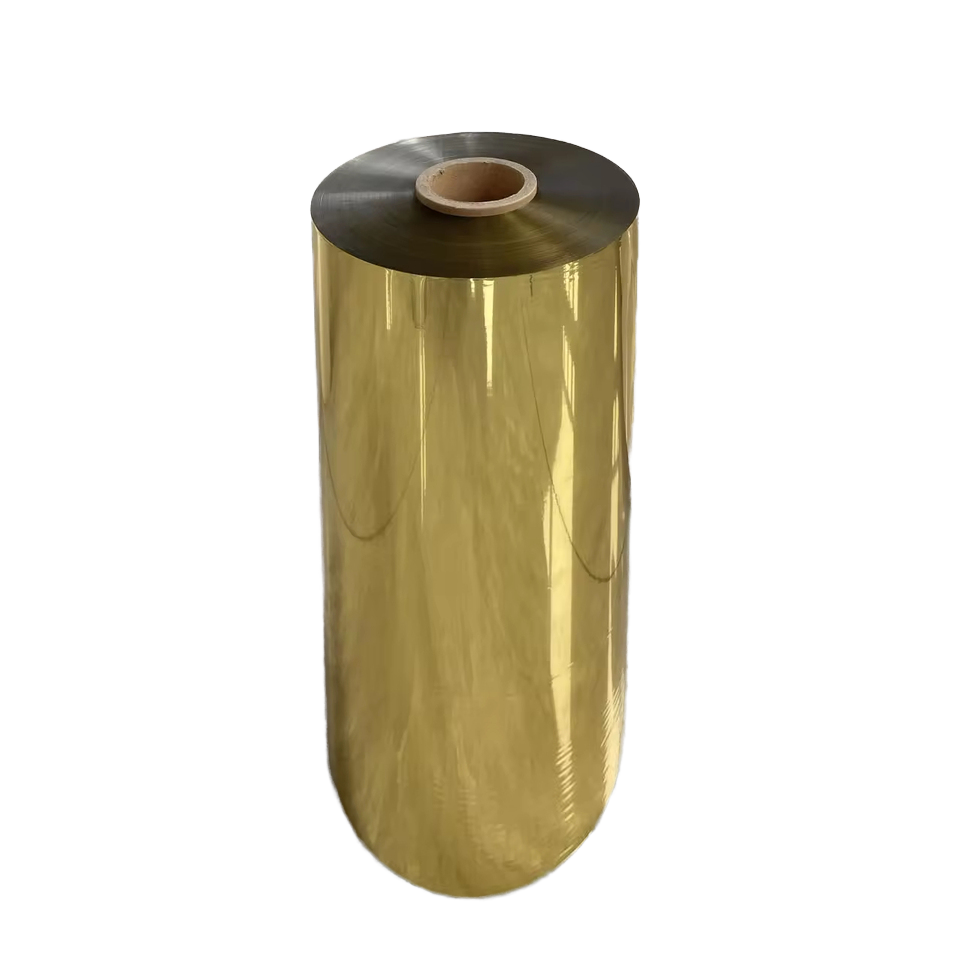
Prolonged exposure to stamping temperatures between 160°C and 200°C causes subpar plastics to warp. You must evaluate shrinkage percentages at prolonged high temperatures before approving a material. High shrinkage leads to warped designs. It also causes severe misalignment, especially in complex multi-pass decoration setups.
When PET shrinks unevenly, the metallic or pigment layer buckles underneath it. You experience higher scrap rates and require intensive manual rework to salvage parts. Top-tier suppliers stabilize their films through precise thermal annealing processes during manufacturing. We strongly recommend requesting exact thermal shrinkage tolerances. Ask your supplier for dimensional stability reports before running extensive pilot tests.
The release layer connects the carrier to the functional visual elements. These chemical formulations generally fall into tight or easy release categories. You must match the release wax or resin melt point to the specific grade of ABS you use. You must also consider the physical complexity of the molded part. Flat surfaces often benefit from a tight release, keeping the foil secure until significant pressure is applied. Conversely, complex, multi-level molds require an easy release to ensure complete transfer across varied topographies.
Evaluating edge definition requires strict attention to detail. The mechanics of achieving crisp lines depend entirely on this release formulation. You want to avoid flaking or bridging across molded ABS gaps. Bridging occurs when the foil fails to snap cleanly at the edge of the die, leaving unwanted material across recesses. A perfectly calibrated release coating severs the pigment sharply at the stamp boundary, ensuring immaculate typography and clean borders.
ABS parts frequently serve in harsh consumer environments. The cosmetics and automotive sectors demand extreme surface durability. You must source a high-resistance gold foil or metallic finish for these rigorous applications. The decorative finish must survive repeated exposure to skin oils, alcohol-based perfumes, and intense UV exposure.
Interestingly, the PET carrier dictates the smoothness of the final protective topcoat. A perfectly smooth carrier transfers an equally flawless protective lacquer layer. This microscopic smoothness directly impacts long-term chemical resistance. Pockmarks, micro-abrasions, or unevenness in the carrier create vulnerable points in the final decoration. Chemicals seep into these microscopic imperfections, causing the metallic layer to oxidize or peel over time.
Modern production environments require navigating strict environmental compliance frameworks. How cleanly the foil separates from the ABS substrate matters immensely. It heavily impacts the downstream recyclability of molded plastic parts. Leftover carrier fragments or excessive adhesive residues contaminate pure recycling streams.
You must evaluate supplier transparency rigorously during procurement. Ask for chemical formulations explicitly free of heavy metals. Verify all REACH-compliant claims through independent testing documentation. Sustainable manufacturing demands materials designed with the circular economy in mind. Selecting the right carrier properties ensures better mechanical separation when the ABS product eventually enters the recycling phase.
Many production lines encounter severe defects due to mismatched material properties. Flaking and dusting represent two of the most frequent issues. These problems usually occur because of premature release activation. The release layer melts too early, causing pigment to spill outside the intended die area. This creates a messy, unprofessional finish on the ABS part.
Poor adhesion represents another major manufacturing hurdle. This failure often highlights a mismatch between the PET heat transfer rate and the ABS sizing adhesive. If the carrier insulates too much heat, the adhesive never reaches its critical activation threshold. The foil simply falls off the substrate after cooling. Alternatively, if the adhesive formulation clashes with the specific ABS grade's surface energy, long-term delamination occurs.
You should adopt rigorous quality control protocols to screen potential suppliers. Standardized tape tests quickly reveal initial adhesion strength. We recommend utilizing the ASTM D3359 cross-hatch adhesion method for baseline testing. This standard ensures repeatable, objective measurements of coating adhesion to the ABS substrate.
Additionally, you should conduct environmental stress cracking (ESC) tests for ABS substrates post-stamping. Some adhesives chemically attack the ABS surface upon application. Over time, this chemical interaction creates micro-cracks in the plastic. ESC tests expose these hidden incompatibilities before mass production begins, saving companies from massive field recalls.
Never rely on generic marketing brochures to make procurement decisions. Use a strict, evidence-based checklist to qualify your next supplier:
Demand comprehensive batch-to-batch consistency reports, specifically a Certificate of Analysis (CoA) for every shipment.
Verify thermal shrinkage tolerances at your specific operating temperatures and machine dwell times.
Review MD and TD tensile strength metrics directly on the official technical data sheet.
Ensure the supplier provides detailed storage and handling guidelines to prevent moisture absorption in the film.
Require pilot roll testing before committing to volume procurement for any plastic decoration foil.
We have compiled a baseline reference chart to help standardize your evaluation metrics. Use this as a starting point during vendor negotiations.
Performance Metric | Standard Value Range | Impact on ABS Decoration |
|---|---|---|
Thickness Profile | 12µm – 19µm | Determines heat transfer speed and mechanical tear resistance during automated handling. |
Thermal Shrinkage | Less than 1.5% at 150°C | Prevents physical design distortion and eliminates registration errors during multi-pass stamping. |
Tensile Strength (MD) | Greater than 200 MPa | Eliminates web snapping on high-speed continuous roll machines, maintaining throughput. |
Release Activation | Matched to mold complexity | Controls crisp edge definition and prevents bridging on tight curves or textured surfaces. |
Evaluating foundational carrier properties shifts the entire procurement conversation. You move away from simplistic price-per-square-meter debates and focus on overall application yield and efficiency. High-quality base films drastically reduce scrap rates and minimize unexpected machine downtime. They ensure your ABS products maintain their aesthetic appeal in challenging consumer environments.
To guarantee manufacturing success and reliable finishes, follow these actionable next steps:
Request detailed Technical Data Sheets (TDS) from every prospective supplier before accepting samples.
Specify your exact ABS polymer grade and any surface energy requirements to the formulation team.
Detail your standard operating temperatures, pressure settings, and stamping machine speeds during the inquiry phase.
Conduct exhaustive pilot runs to verify release dynamics on your most complex, three-dimensional molds.
A: The standard thickness for general ABS decoration is 12µm. This gauge offers excellent heat transfer for activating adhesives quickly on fine details. However, manufacturers use thicker films, up to 19µm or more, for heavy-duty applications. Deep-draw stamping requires thicker carriers to withstand immense mechanical stretching without tearing.
A: Foil snapping usually stems from inadequate tensile strength in the machine direction (MD). Improper web tension settings on your stamping equipment also contribute to snapping. Additionally, check for micro-tears along the film's edge profile. Even minor edge damage creates stress concentrators that cause continuous webs to fail.
A: Yes, you can apply it effectively to rABS. However, recycled ABS has a different surface energy profile compared to virgin ABS. You do not need to change the base carrier. Instead, you must specify a specialized adhesive sizing layer. This specialized sizing compensates for the variable surface energy.
A: Quality assurance labs use standardized oven-testing methodologies. Technicians cut precise film samples and measure their initial dimensions. They place the samples in a calibrated oven at specific stamping temperatures for a set duration. Afterward, they cool the samples and measure them again to calculate the exact shrinkage percentage.


