
close
Choose Your Site
Global
Social Media

Views: 0 Author: Site Editor Publish Time: 2026-08-06 Origin: Site


Choosing the wrong foil embellishment creates significant commercial ripples. It doesn't just affect visual shelf appeal. It directly impacts production bottlenecks, tooling setups, and per-unit profitability. Packaging engineers face a constant dilemma. They must balance the premium opacity of traditional stamping against the high-speed inline efficiency of cold processes. Procurement teams also struggle to justify upfront die investments when run lengths fluctuate wildly. We built this article to resolve these exact tensions. It provides a transparent, technical framework to evaluate which application fits your production line best. You will learn how to align these technologies with specific run lengths, substrate types, and unit economics. We will explore the precise mechanics behind both methods. You will finally know exactly when to leverage heat and pressure versus UV adhesives for your next major packaging run.
Hot stamping requires custom metal dies and offline or specialized machine passes, making it ideal for high-end, textured substrates and short-to-medium production runs.
Cold stamping operates inline using UV adhesives and standard printing plates, offering unmatched scalability and cost-efficiency for long runs on smooth, coated substrates.
Design complexity dictates the process: cold foil allows for infinite metallic color variations via CMYK overprinting, while hot foil delivers superior brilliance, opacity, and the ability to combine with embossing.
Selecting the right metallic foil supplier requires vetting for adhesive compatibility, transfer consistency, and substrate-specific formulations.
Before you compare specific technologies, you must map out your non-negotiable project requirements. A successful packaging decoration foil integration depends entirely on a few baseline physical and commercial realities. Ignoring these initial variables often leads to wasted testing time and poor on-press performance.
You need to establish what a "win" looks like for your specific carton or label. Is the goal absolute luxury and tactile depth? Or is the goal maximum speed and high-volume consistency? Define your threshold for acceptable setup times. Determine if your press operators possess the specific training required for complex thermal calibrations or UV curing adjustments.
The surface tension and porosity of your packaging material dictate your options. Uncoated, textured, or porous stocks behave vastly differently than smooth, coated boards or films.
Uncoated and Porous Stocks: These materials act like sponges. They quickly absorb liquid adhesives. This absorption makes inline processes highly problematic.
Coated Boards and Films: Smooth surfaces offer high surface tension. They provide the perfect foundation for precise adhesive application and crisp foil release.
Dyne Levels: Always measure the surface energy of your substrate. Proper foil adhesion typically requires dyne levels above 38.
Calculate your total run length. Factor in the frequency of future reprints. Tooling costs dictate your breakeven points. Upfront die manufacturing demands a certain minimum volume to make financial sense. Alternatively, you might face a scenario demanding thousands of variable short runs. You must evaluate how setup times impact your daily press capacity.
Evaluate your artwork closely. Determine whether the design requires fine gradients, precise halftone registrations, or solid, opaque metallic blocking. Large, solid blocks of silver or gold demand high opacity. Conversely, soft metallic fades require precise dot reproduction. Your structural design limits your technical choices from day one.
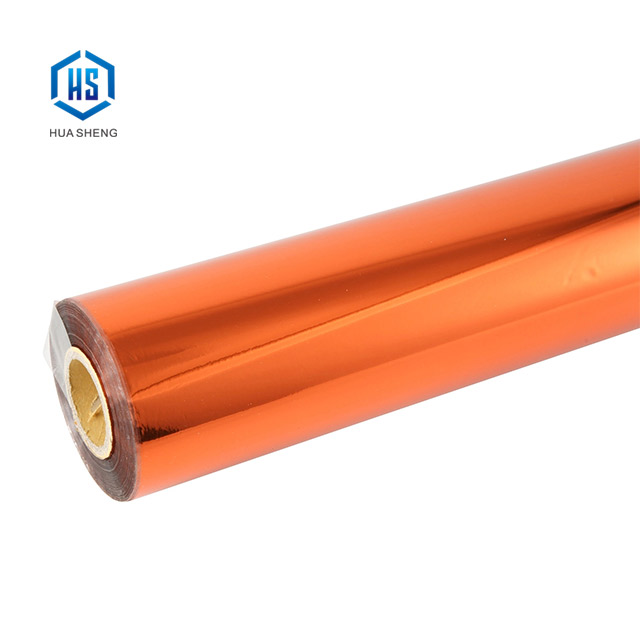
Traditional hot stamping foil relies on a mechanical combination of heat, pressure, and dwell time. It transfers a dry metallic layer from a carrier film directly onto your substrate using a physical metal die. The heated die presses the material against the substrate. This activates a heat-sensitive sizing coat, permanently bonding the metal to the packaging.
This method delivers unmatched metallic brilliance and absolute opacity. It excels in the luxury sector. The physical pressure forces the metallic layer into the microscopic valleys of rough, uncoated, or textured paper stocks. It bridges gaps effortlessly. This creates a smooth, highly reflective surface even on challenging, highly porous materials.
You must account for the custom tooling requirements. Setup relies heavily on physical dies.
Magnesium Dies: Ideal for short runs. They are cost-effective but degrade quickly under heavy pressure.
Copper Dies: Better for medium runs. They conduct heat excellently and hold fine details well.
Brass Dies: Essential for long runs or combination stamping (foil and emboss in one pass). They offer extreme durability.
Lead times for brass tooling can stretch for days. Additionally, offline or specialized machine passes result in slower setup and running speeds compared to modern inline printing.
High upfront setup costs make this process margin-prohibitive for highly variable short runs. It also struggles with extreme fine details if improperly calibrated. Operators often face "fill-in" on fine serif text. This happens when heat and pressure settings run too high, causing the metallic layer to bleed outward. You must meticulously balance temperature and dwell time to maintain crisp edges.
The cold stamping foil method revolutionizes high-speed production. It operates seamlessly inline using standard flexographic or offset printing stations. The press applies a UV-curable adhesive to the substrate via a standard printing plate. The web then runs through a nip roller, pressing the metallic web into the wet adhesive. A UV lamp cures the adhesive through the carrier film, and the press strips away the excess material.
This process eliminates custom metal die costs entirely. It utilizes standard, inexpensive photopolymer plates. It runs at full press speeds, ensuring massive volume output without bottlenecks. Furthermore, it enables true "overprinting." Because the application happens inline before the color stations, you can print CMYK inks directly over the silver base. This creates limitless metallic shades, realistic halftones, and smooth gradients.
This technology demands extremely smooth substrates. Coated folding cartons, shrink sleeves, and prime labels work perfectly. Porous materials fail because they absorb the UV adhesive before curing happens. This leads to spotty, incomplete metallic transfer. Success also depends on rigorous UV lamp calibration. The adhesive must tack correctly. It cannot fully harden before the web meets the nip roller.
You sacrifice the tactile, embossed feel of traditional stamping. The visual result sits completely flat on the substrate. Additionally, the metallic brilliance can appear slightly muted. The lack of heated mechanical smoothing means the metallic layer perfectly mimics the substrate's native texture. If the substrate contains minor imperfections, they will show through. Proper ink adhesion over the metallic layer also requires precise surface tension management.
Choosing the optimal foil printing process requires a strict side-by-side assessment. You must align your production realities with the mechanical limitations of each method. Let us break down the critical dimensions.
The comparison matrix below highlights the core differences across cost, setup, and material compatibility.
Evaluation Criteria | Thermal/Heated Application | Inline UV Application |
|---|---|---|
Tooling Cost Structure | High fixed cost (Custom metal dies). Low variable cost over time. | Low fixed cost (Standard polymer plates). Higher variable cost for adhesives. |
Substrate Compatibility | Excellent for premium textured papers, dyed-vat boards, uncoated stocks. | Superior for smooth folding cartons, plastic films, shrink sleeves, coated labels. |
Visual & Tactile Impact | Deep, highly opaque, highly brilliant. Distinct tactile impression. | Flat, gradient-friendly finish. Muted brilliance compared to heated methods. |
Overprinting Capabilities | Difficult. Requires specialized inks and topcoats for adhesion. | Excellent. Native CMYK overprinting creates infinite metallic color variations. |
Setup and Changeover | Slow. Requires thermal calibration and physical die mounting. | Fast. Uses standard plate mounting and standard press speeds. |
Evaluate your production schedule. Thermal methods demand significant upfront capital for brass or copper dies. However, once running, they remain highly stable. Inline methods win purely on speed and changeover flexibility. You bypass machine bottlenecks by keeping the entire embellishment process on one press.
Both methods utilize microscopically thin layers of aluminum. They generally do not disrupt standard paper repulping processes. However, you must evaluate the environmental impact of your tooling footprint. Heavy metal dies require significant energy to manufacture and recycle. Conversely, inline methods rely heavily on UV-curable adhesives, which require specific handling and disposal protocols inside the printing facility.
Your machine configuration dictates your material needs. A successful production run relies heavily on sourcing the right chemistry. You must find a metallic foil supplier capable of matching formulations to your exact press speeds and substrate types.
Do not buy off-the-shelf rolls without a technical consultation. Ask potential vendors about their release layers. Fast presses require easy-release formulations. Slower, highly detailed jobs require tight-release formulations. Your vendor must understand this dynamic.
Require your shortlisted suppliers to provide physical draw-downs. Demand comprehensive adhesive compatibility testing before attempting full-scale rollouts. A credible vendor will test their material against your specific UV adhesives and topcoats.
Watch out for inconsistent winding tension on sample rolls. Look closely for transparent spots or microscopic flaking during edge definition testing. If a sample roll drops flakes onto your press rollers during a pilot run, disqualify that vendor immediately. Flaking causes massive contamination issues inside color stations.
Request a Technical Data Sheet (TDS) for every formulation.
Request a Material Safety Data Sheet (MSDS) to ensure compliance with your facility regulations.
Structure a pilot test using a highly detailed artwork file to stress-test edge resolution.
Validate the overprint adhesion using standard tape-pull tests after 24 hours of curing.
Neither embellishment method is universally superior. Your final choice hinges entirely on your substrate surface, run volume, and specific design intent. If you demand a luxury tactile impact on textured stocks, stick with traditional heated methods. If you need fast, scalable, multi-color metallic designs on smooth surfaces, inline UV methods offer unmatched efficiency.
To move forward confidently, take these actionable steps:
Audit your current packaging substrates for surface tension and porosity.
Calculate your annual run lengths to determine if die tooling amortizes favorably.
Analyze your artwork to see if CMYK overprinting provides more value than absolute opacity.
Request physical samples of both processes on your exact substrate before finalizing any packaging specifications.
A: It is possible, but highly challenging. The surface of traditional foil has low surface energy, which repels standard printing inks. You typically need specialized UV-curable inks or specific top-coatings to ensure proper ink adhesion. Conversely, inline cold methods natively support standard CMYK overprinting.
A: Yes, in most cases. Both hot and cold methods apply a microscopically thin layer of aluminum (often less than 3 microns thick). Unlike heavy plastic laminates, this ultra-thin metallic layer breaks up easily during the standard paper repulping and de-inking process, allowing the paperboard to be recycled.
A: Hot methods require custom metal dies (magnesium, copper, or brass), which can cost hundreds to thousands of dollars per design and require days to manufacture. Cold methods utilize standard photopolymer printing plates, which cost a fraction of metal dies and can be imaged in-house within hours.


