
close
Choose Your Site
Global
Social Media

Views: 0 Author: Site Editor Publish Time: 2026-08-12 Origin: Site


Achieving a durable, defect-free finish on Acrylonitrile Butadiene Styrene (ABS) components demands precise chemical and thermal alignment. It requires much more than relying on simple surface-level adhesives. Manufacturing teams understand this strict reality well. Poorly matched materials cause severe production bottlenecks on the factory floor. You will likely experience high reject rates, frustrating delamination during consumer use, and escalating production costs. Mismatched decorative layers break down quickly under daily stress. We created this guide to deconstruct the exact bonding mechanisms between these thin decorative films and rigid substrates. Production teams and procurement managers need a solid framework to evaluate available options. You must source the correct chemical formulations to ensure lasting results. By understanding surface energy, thermal thresholds, and specific molecular affinities, you eliminate guesswork entirely. We will explore structural anatomy, application parameters, and durability constraints to help you master this critical process.
Thermal bonding to ABS relies on matching the surface energy of the plastic with the specific heat-activated sizing layer of the foil.
Universal foils do not exist; an ABS hot stamping foil utilizes a fundamentally different adhesive chemistry than a PP foil or PE foil.
Consistent application requires controlling three interdependent variables: die temperature, stamping pressure, and dwell time.
End-use environment (e.g., cosmetic packaging requiring chemical resistance) strictly dictates the required physical properties of the foil's protective topcoat.
ABS presents unique surface characteristics in manufacturing environments. It naturally possesses a higher surface energy than many basic polyolefins. You might expect easy adhesion because of this inherent trait. However, production realities complicate the process significantly. Injection molding often leaves residual mold release agents behind on the parts. Plasticizers also migrate to the top layer over time. These invisible contaminants drastically lower the functional surface energy. They create a microscopic barrier against bonding. Substrates must maintain a surface energy well above 38 dynes/cm for reliable adhesion. When surface energy drops below this threshold, the heated sizing layer cannot wet out properly. It beads up or forms weak, intermittent bonds instead.
Successful bonding involves far more than applying sticky tape. It relies on a sophisticated process of thermal fusion. Heat and pressure force a true molecular entanglement. The sizing layer acts as the primary adhesive. It must melt perfectly during the brief milliseconds of contact. The top micrometers of the ABS substrate also soften slightly under the die. The molten resin flows rapidly into the microscopic pores of the polymer network. Once cooled, the materials lock together chemically and physically. If either material fails to reach the correct melt flow index, entanglement fails. The resulting bond remains shallow and highly brittle.
Many operators believe a single decorative material works everywhere. They assume one type of plastic stamping foil suits all rigid plastics perfectly. This claim remains a persistent and costly industry myth. Different polymers have vastly different molecular structures. A formulation designed specifically for polystyrene will struggle on polyamides. Substrate-specific formulation serves as a strictly non-negotiable procurement requirement. Choosing generic options inevitably leads to catastrophic failure rates. Production managers must match the chemical signature of the adhesive exactly to the substrate. You simply cannot force a mismatched chemistry to perform reliably over time.
We must break down the structural layers of these specialized media. A standard plastic foil features four distinct components. The carrier film usually consists of a thin PET polyester base. A wax or silicone release layer sits directly below it. The third layer provides the actual visual impact. It contains pigmented color coats or vacuum-metallized aluminum. The final layer acts as the crucial sizing or adhesive layer. This bottom resin activates quickly under heat to bond the decorative stack to the part. The carrier and release layers peel away seamlessly after stamping. The color and sizing layers stay permanently attached to the product.
Chemical affinity dictates long-term performance and durability. The sizing resin in an ABS hot stamping foil requires highly specialized engineering. ABS is an inherently polar material. It contains active acrylonitrile groups. The adhesive layer must feature similar polar properties to match this chemistry. Like dissolves like in advanced polymer science. A polar resin melts and interacts seamlessly with a polar substrate. This creates a remarkably strong inter-molecular attraction. Without this matched polarity, the adhesive simply rests weakly on the surface. It will peel off under minimal physical stress.
Contrast these requirements directly with non-polar substrates. Formulations for a PP foil or a PE foil demand completely different adhesive chemistry. Polyolefins possess very low surface energy naturally. They lack polar groups entirely. You usually must apply aggressive surface treatments to them. Corona discharge or flame treatments create temporary oxidation zones. This allows the non-polar resins to finally grip the plastic. Cross-applying an ABS formulation onto a treated polyolefin invites high failure rates.
Plastic Substrate | Polarity Level | Natural Surface Energy | Typical Pre-Treatment Needed |
|---|---|---|---|
Acrylonitrile Butadiene Styrene (ABS) | High (Polar) | Medium-High (42+ dynes/cm) | Solvent Wipe (Removes mold release) |
Polypropylene (PP) | Low (Non-Polar) | Low (~29-31 dynes/cm) | Corona Discharge / Flame Treatment |
Polyethylene (PE) | Low (Non-Polar) | Very Low (~31 dynes/cm) | Corona Discharge / Flame Treatment |
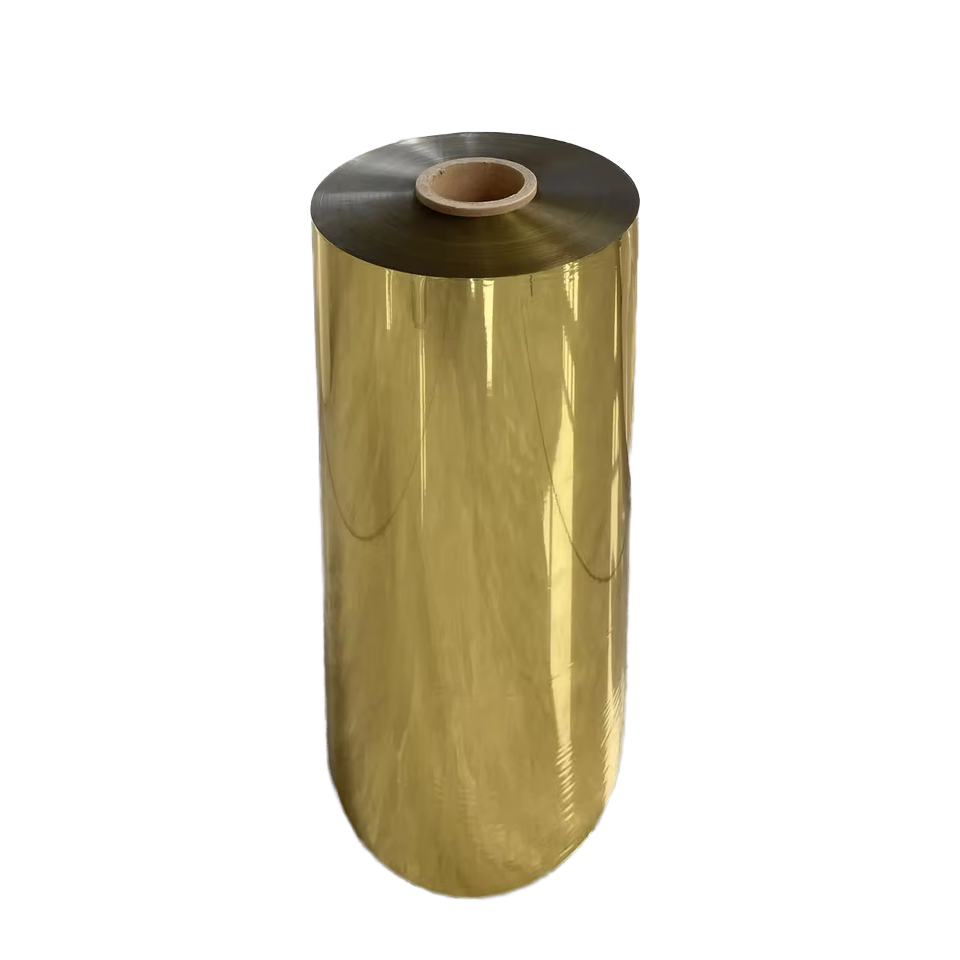
Establishing the correct heat profile dictates the entire bonding outcome. Standard heat activation ranges for ABS formulations typically fall between 130°C and 180°C. Metal dies require precise calibration to maintain this target. Silicone rubber dies usually demand slightly higher settings, often reaching up to 200°C. We strictly warn against utilizing excessive temperatures during application. High heat rapidly causes the underlying substrate to warp or distort. It also burns the delicate metallized layers. Conversely, exceptionally low temperatures prevent the sizing from melting adequately. The adhesive never reaches its required flow state. You must find the exact thermal balance for your specific die material.
Application dynamics rely heavily on a tight stamping window. You must define the precise relationship between the die's pressure and the contact time. Dwell time generally spans just fractions of a second. The machine must exert enough force to push out trapped air. It pushes the molten sizing into the microscopic crevices of the part. Too much pressure easily fractures rigid components. It pushes the adhesive completely out of the bonding zone. Too little pressure leaves noticeable voids and unbonded edges. Operators must constantly adjust the machine stroke to establish a uniform bond. Maintaining this delicate balance prevents structural damage to thin-walled parts.
Even perfect thermal settings fail on contaminated surfaces. Surface preparation realities often dictate the final pass rate. You must discuss when wiping, degreasing, or secondary treatments become absolutely necessary. Injection molding residues act as a potent anti-adhesive layer. Wiping parts down lightly using isopropyl alcohol removes most light contaminants. Heavier silicone-based mold releases require specialized industrial degreasers. You should implement a rigorous cleaning protocol before applying any decorative film. Removing these barriers ensures the heated resin touches bare polymer. Skipping this mandatory step guarantees random flaking and costly rework.
Setting proper evaluation criteria prevents catastrophic failures in the field. You must establish rigorous testing protocols based on the final product environment. Relying on visual checks alone leaves you vulnerable to returns.
Scratch Resistance: Use standardized pencil hardness tests to evaluate topcoat strength against daily friction.
Adhesion Testing: Perform the industry-standard ASTM D3359 cross-hatch tape test to verify molecular entanglement.
UV Stability: Subject samples to accelerated weathering chambers to ensure pigments do not fade under sunlight.
Chemical Resistance: Expose the cured surface to common household cleaners to check for blistering or clouding.
Cosmetic packaging presents uniquely harsh environments for decorative elements. You must carefully analyze the specific compliance and durability needs for these items. A cosmetic bottle foil must resist aggressive degradation daily. End-users frequently spill essential oils, harsh alcohols, and synthetic chemicals onto the packaging. These substances rapidly attack inferior topcoats and dissolve weak adhesive layers. The formulation chosen must feature a highly cross-linked protective lacquer. It needs to repel aggressive solvents while maintaining a high-gloss finish. If the lacquer fails, the underlying metallic layer oxidizes and turns black within days.
Transitioning from a successful prototype to mass production introduces new risks. We advise production teams on how to run effective pilot tests. You should evaluate multiple continuous rolls rather than a single sample sheet. Machine speeds change dramatically during full-scale runs. Recommend requesting comprehensive spec sheets from your manufacturing partners immediately. These documents must detail the exact chemical resistance profile and optimal operating window. Review the required temperature parameters before committing to bulk purchasing. Vetting suppliers properly ensures batch-to-batch consistency across long production cycles. Consistency prevents sudden spikes in scrap rates.
Diagnosing root causes quickly saves massive amounts of production time. Incomplete transfer usually manifests as flaking edges or noticeable pitting in the design. Follow these diagnostic steps to isolate the issue:
Verify the Heat Profile: Check the actual die temperature using an external pyrometer to ensure insufficient heat isn't causing the issue.
Inspect Stamping Pressure: Confirm the die applies even, level pressure across the entire contour of the substrate.
Check for Contamination: Examine the surface for localized fingerprints, dust, or heavy mold release sprays.
Review Dwell Time: Increase the contact duration slightly to allow the sizing resin more time to melt completely.
Over-stamping creates messy, illegible designs. We regularly address issues where the material adheres far outside the intended design area. This defect is commonly known as foil bleed. It typically results from applying excessive heat during the stroke. High temperatures melt the release layer too aggressively. The adhesive spreads laterally across the part. Using incompatible release layers also causes this messy separation. You must lower the die temperature incrementally until crisp edges return. Sometimes, reducing the dwell time by a few milliseconds sharply cleans up the perimeter.
Delayed failures damage brand reputation severely. Long-term delamination occurs when the bond breaks down weeks or months post-production. Environmental stress plays a massive role here. Extreme temperature fluctuations expand and contract the plastic at different rates than the metallic layer. Chemical exposure from daily handling also weakens the bond line over time. This defect primarily happens if the wrong chemical category was selected initially. A non-polar adhesive sitting on a polar substrate will eventually release. Selecting the mathematically correct surface energy match prevents this delayed peeling.
Successful bonding to rigid plastics is a highly engineered process. It relies equally on selecting the correct formulation and maintaining strict process control. You must adopt a highly systematic approach to material selection. Match the adhesive sizing layer perfectly to the molecular polarity of the polymer. Ensure the protective topcoat strongly aligns with the final end-use environment. We prompt all decision-makers to request application-specific sample rolls early in the design phase. Conduct rigorous physical adhesion testing, like the cross-hatch tape test, internally. Verify all chemical resistances prior to authorizing full-scale production. Controlling your die temperatures, regulating stamping pressures, and eliminating surface contaminants will yield a flawless finish.
A: No. Doing so inevitably leads to peeling or complete failure. Polyolefins (PP/PE) require non-polar adhesives because they have extremely low surface energy. ABS is a polar plastic with higher surface energy. The chemical mismatch in the adhesive sizing means the layers will not cross-link properly. You must use a formulation engineered specifically for polar substrates.
A: The realistic activation range typically falls between 130°C and 180°C. Exact parameters depend heavily on the specific formulation and your chosen die type. Metal dies transfer heat efficiently at the lower end of this spectrum. Silicone rubber dies usually require temperatures closer to 180°C to push the heat through the rubber.
A: Bonding relies entirely on the bottom sizing layer, not the visual layer. However, the metallic or pigment layers may require slightly different heat transfer times. Heavy pigments might insulate the adhesive slightly, requiring a few extra milliseconds of dwell time. The chemical adhesion mechanism remains unchanged.
A: This defect typically results from chemical interactions. Spillage of the contained product, such as essential oils or alcohols, quickly attacks weak topcoats. It dissolves the protective barrier. If the topcoat lacks sufficient cross-linking to resist these specific solvents, the metallic layer degrades and easily rubs off during consumer handling.


