
close
Choose Your Site
Global
Social Media

Views: 0 Author: Site Editor Publish Time: 2026-08-01 Origin: Site


Achieving a highly reflective, mirror-like metallic finish on garments has historically presented a major production struggle. Often, these beautifully printed finishes degrade rapidly after a single trip through the laundry. Standard craft foils frequently flake, peel, and crack, leaving apparel looking distressed and cheap. Commercial-grade textile foil changes this equation entirely. Modern advancements in adhesive chemistry and specialized PET release layers now deliver stunning, long-lasting results. You can finally achieve brilliant aesthetic effects without sacrificing structural durability.
A reliable, high-yield metallic finish relies heavily on three distinct factors. First, you must select the correct foil type for your specific fabric blend. Second, precise heat and pressure application remains absolutely essential for securing the bond. Finally, strict laundering protocols protect the garment's design over its entire lifespan. We will guide you through this entire manufacturing process. You will learn how to choose the right materials, apply them perfectly, and maintain their mirror-like shine wash after wash.
Washable textile foil requires a specialized two-step process (adhesive application followed by heat transfer) to ensure longevity.
Application variables—specifically temperature, pressure, and cold-peeling—dictate the difference between a permanent bond and a flaky finish.
Evaluating a fabric foil supplier requires testing micron thickness, release agent quality, and compatibility with specific substrates (e.g., cotton vs. synthetic blends).
Even the highest-quality T-shirt foil requires strict end-user care instructions to prevent dulling and cracking over time.
Screen printing metallic inks often yields a dull, glittery, or muted appearance. You want a true mirror-like shine, but traditional inks simply cannot deliver this effect. Inks rely on tiny suspended metal flakes mixed into a liquid base. Once the base cures, these flakes lay at random angles. They scatter light in multiple directions, severely reducing the overall reflectivity. Furthermore, standard craft foils often flake off rapidly under normal wear. This rapid degradation leads to high return rates and poor brand perception. Customers expect premium visual quality when they purchase custom apparel. Flaking designs damage your reputation and hurt repeat sales.
Commercial foil completely solves this aesthetic limitation. It offers a true, unbroken mirror-finish. Metallic inks simply cannot replicate this intense, continuous reflectivity. It provides a massive visual upgrade for custom apparel lines. You capture consumer attention immediately. Retail psychology shows buyers associate high-gloss, reflective surfaces with premium value. Upgrading your print method allows you to command higher retail price points. The initial investment in proper application equipment quickly pays off through increased margin and customer satisfaction.
You must set realistic performance expectations right away. Foil is highly durable, but it remains a surface-level application. It will not outlast the underlying fabric itself. Typically, well-applied garments endure 20 to 30 heavy washes before microscopic cracking begins. You build immense trust when you share these realistic lifespans openly. Buyers appreciate transparency regarding garment care and longevity. Setting these expectations early prevents disappointment and eliminates unwarranted product returns.
Many print shops mistakenly assume foil applies just like standard plastisol ink. They fail to lay down a thick enough adhesive base. A thin adhesive layer lacks the structural grip necessary to hold the aluminum film during the wash cycle. Always ensure your team understands the fundamental differences in surface tension and bonding requirements.
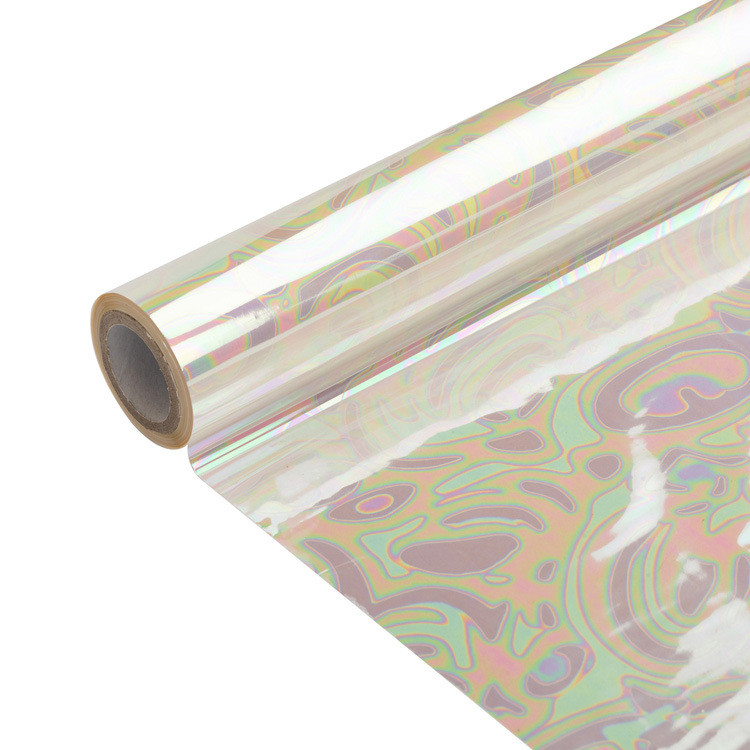
Understanding the different categories of foil ensures you use the right tool for the job. Heat transfer foil utilizes a specialized mechanism. This involves a thin metallic film combined with a separate heat-activated adhesive. You can use either plastisol or water-based glue depending on your shop setup. This method works exceptionally well for high-volume T-shirt foil applications. You print the glue, press the foil sheet over the design, and peel the carrier film away. It is highly efficient for spot graphics, logos, and localized apparel designs.
Roll-to-roll manufacturing requires a vastly different approach. You use textile stamping foil primarily for high-end fashion lines and all-over prints. This continuous process requires specialized industrial calendering machines. Massive heated rollers apply intense pressure over continuous fabric yardage. It ensures a seamless metallic coating across entire rolls of material. Industrial calendering demands extremely tight temperature controls. Even a slight drop in roller heat can cause massive sections of foil to fail.
Not all adhesives work on every fabric. Substrate compatibility dictates your success rate. Heavy stretch fabrics need specialized stretch-additive adhesives. If you use standard rigid glue on spandex or athletic wear, the foil splits immediately upon stretching. The adhesive must stretch to prevent major cracking. Always match the chemical properties of your glue to the physical properties of the garment.
Fabric Type | Recommended Adhesive | Stretch Additive Needed? | Expected Adhesion Quality |
|---|---|---|---|
100% Cotton | Plastisol or Water-based | No | Excellent |
Polyester Blends | Low-cure Plastisol | Optional | Very Good |
Tri-Blends / Rayon | Water-based | Yes (Low percentage) | Good |
Spandex / Lycra | High-Stretch Polyurethane | Yes (High percentage) | Moderate (Requires care) |
The final finish is strictly only as good as the underlying glue. You need a remarkably smooth, even layer of adhesive to achieve a mirror finish. You can screen print the glue or cut a solid adhesive sheet via a vinyl plotter. If the base remains uneven or textured, the thin foil simply mirrors those underlying bumps. An 86 to 110 mesh screen usually provides the ideal adhesive deposit for screen printing. Thicker deposits grab more foil but may feel heavy. Thinner deposits feel softer but risk poor coverage.
You must monitor your heat and pressure metrics very closely. Industry baseline standards recommend heat press temperatures between 300°F and 320°F. Dwell time generally runs 10 to 15 seconds. You must use firm, even pressure across the entire platen. Pneumatic heat presses provide far more consistency than manual clamshell models. If the pressure drops in one corner, the foil will peel away in that exact spot.
You must embrace the "cold peel" imperative. Physics plays a huge role in achieving a permanent bond. heat transfer textile foil must cool completely to room temperature before you peel the carrier film. The adhesive expands and liquefies under high heat. It needs adequate time to contract, solidify, and physically lock onto the fabric fibers. Hot peeling interrupts this critical bonding process. It violently tears the foil layer away from the semi-liquid glue, causing patchy, distressed, and disastrous results.
Print the Base: Apply an even layer of foil-specific adhesive using an 86-110 mesh screen.
Cure the Base: Flash cure the adhesive until it is gelled but not fully set.
Position the Foil: Cut a piece of foil slightly larger than the design. Place it color-side up over the adhesive.
Protect the Platen: Place a Teflon sheet or parchment paper over the foil to prevent edge melting.
Apply Heat & Pressure: Press at 300°F–320°F for 10–15 seconds using heavy, even pressure.
Cool Completely: Remove the garment from the press. Allow it to sit until the fabric feels cool to the touch.
Peel Smoothly: Peel the carrier sheet away in one smooth, low-angle motion.
Foil remains physically vulnerable to extreme elements despite modern advancements. Friction, high heat, and harsh detergents aggressively break down the delicate aluminum layer. washable textile foil is robust, but it is certainly not invincible. The thin metallic coating cannot withstand the severe abrasive forces found inside a standard washing machine agitator. Furthermore, heavily alkaline detergents can actually oxidize the metallic finish, turning a brilliant gold into a dull, tarnished brown.
End-user care directives ultimately save your product from premature failure. You must proactively educate the final consumer. Proper care techniques dramatically extend the life of the print. Turning garments inside out protects the foil from rubbing against zippers, buttons, and other rough fabrics. Cold water prevents the underlying adhesive from re-activating or softening. Hanging the garment to dry eliminates the massive thermal and mechanical stress caused by commercial tumble dryers.
Implementation risk is very real in the custom apparel industry. Failing to communicate these care instructions leads to immediate disaster. End-user ignorance remains the leading cause of product failure complaints. You cannot assume buyers know how to wash specialty garments. Include a custom care tag sewn into the neck. Add a brightly colored insert card into the shipping package. Tell the customer exactly how to protect their premium purchase.
Always turn the garment completely inside out prior to washing to reduce surface abrasion.
Use strictly cold water on a gentle or delicate machine cycle.
Utilize mild, non-bleach, pH-neutral detergents.
Avoid fabric softeners; they degrade the adhesive bond over time.
Hang dry only. Never place the garment in a hot tumble dryer, as heat causes rapid delamination.
You must test for release quality first when vetting a new supplier. Observe closely how cleanly the foil separates from its PET carrier film during a small test run. A high-quality release agent leaves crisp, sharp edges around complex designs. Poor release agents cause jagged lines, incomplete transfers, and excessive wasted material. The film should peel away effortlessly once fully cooled.
Always perform a thorough visual inspection of the raw materials. Look closely at the roll prior to application. Check for tiny pinholes holding up against a light source. Look for slight discoloration or dull spots across the surface. Ensure consistent micron thickness across the entire width of the roll. Catching these manufacturing defects early prevents massive production errors and ruined inventory.
Implement a rigorous, real-world sampling strategy. Never buy in bulk immediately based on a digital catalog. Request sample yardage first. Run a comprehensive 5-wash stress test on these samples using your shop's exact adhesive and press settings. Evaluate how the fabric foil holds up before committing to a massive order. This testing phase separates premium manufacturers from unreliable brokers.
Assess scalability and lead times carefully. Your supplier must maintain consistent color matching across years of production. Maintaining the exact shade of metallic gold across multiple production batches is notoriously difficult in foil manufacturing. Ask the supplier directly about their quality control tolerances and color-matching guarantees. Furthermore, ensure they can meet your volume requirements during peak holiday production seasons.
Evaluation Metric | What to Look For | Red Flags |
|---|---|---|
Release Quality | Smooth, effortless cold peel. Sharp, crisp design edges. | Sticking carrier film. Jagged or torn edges on the design. |
Visual Integrity | Solid opacity. Consistent shine. Zero pinholes when held to light. | Dull spots. Scratches on the carrier. Inconsistent coating. |
Wash Durability | Maintains 90% shine after 5 heavy cold washes. | Micro-cracking or flaking after a single wash cycle. |
Color Consistency | Exact visual match between sample roll and bulk production roll. | Slight hue shifts (e.g., gold looking too brassy or green). |
Achieving premium metallic effects demands a careful, well-planned approach. You must pair high-quality foil materials with strict, highly controlled application guidelines. Precise temperature controls and mandatory cold-peel techniques secure the physical bond. Rigorous end-user care protocols protect the final product in the real world. Excellent visual appeal drives customer satisfaction, elevating your brand above competitors using standard dull inks.
Take immediate action to improve your production process. First, audit your current adhesive methods to ensure you create a perfectly smooth base layer. Second, request sample rolls from vetted, reliable material suppliers. Finally, run your own internal wash tests before launching any foil-based apparel line. Preparation guarantees a brilliant, long-lasting final product.
A: This issue is usually caused by insufficient pressure during heat transfer, an uneven adhesive base, or washing in hot water and tumble drying. Ensure your heat press delivers firm, even pressure. Always follow strict cold-wash and hang-dry protocols to prevent premature delamination.
A: No. Direct heat melts the foil and ruins the mirror finish instantly. Always turn the garment inside out before ironing. Alternatively, use a protective Teflon sheet over the design and set the iron to a low, steam-free temperature setting.
A: Commercial textile foils are manufactured with industrial-grade release coatings. They are designed specifically to bond tightly with garment adhesives under high heat and pressure. Standard craft foils simply lack the structural durability and chemical resistance required for repeated laundering.


