
close
Choose Your Site
Global
Social Media

Views: 0 Author: Site Editor Publish Time: 2026-08-29 Origin: Site


Brands and print shops evaluating metallic and high-gloss finishes constantly seek a scalable, reliable production method. You need a technique balancing brilliant aesthetic impact against true production viability. This evaluation becomes critical when standard inks fail to deliver the expected mirror-like reflection. The core problem lies in finding a process preventing flaking while maintaining sharp edge definitions.
By using a printed adhesive layer coupled to a specialized metallic substrate, screen printing foil differs entirely from traditional hot foil stamping. It offers remarkable versatility across textiles and commercial packaging. This comprehensive guide will help print managers, packaging designers, and apparel manufacturers evaluate this finishing technique. You will learn the mechanical workflows, compare hybrid alternatives, and understand strict quality control protocols required to successfully integrate this method into your active production lines.
Process Reality: Screen printing foil is a two-step process requiring precise application of a plastisol or water-based adhesive base, followed by foil application via heat or pressure.
Cost vs. Outcome: Offers high-end "shelf appeal" and premium apparel finishing at a lower tooling cost than traditional metal die stamping, but requires strict quality control to prevent flaking.
Technology Shifts: The choice between heat transfer, cold foil, and hybrid DTF methods depends strictly on substrate type (fabric vs. paper) and volume requirements.
Risk Mitigation: Washability (in apparel) and edge-definition (in packaging) are the primary failure points requiring standardized curing protocols.
The application of silkscreen printing foil relies on a strict two-step framework. First, operators print a receptor layer—an adhesive—directly onto the substrate. Second, they mate the metallic sheet to this cured or semi-cured adhesive. Heat and mechanical pressure transfer the reflective layer, leaving the non-adhered sections on the carrier film. This sequential nature requires precise alignment and timing to achieve a flawless finish.
Adhesive selection drives the entire project's success. Plastisol adhesives remain the standard for high-stretch apparel. They offer robust durability and excellent opacity across rough fabrics. Conversely, water-based adhesives appeal to eco-conscious brands. They penetrate porous fabrics deeply but demand longer curing times. You must carefully evaluate substrate stretch, expected longevity, and local environmental compliance before choosing your chemical base.
The Time, Temperature, and Pressure (TTP) matrix controls consistent release. Operators must calibrate their presses rigorously. Too much heat liquefies the plastisol excessively, blurring fine edges. Too little pressure leaves microscopic gaps, resulting in unfoiled patches. Establishing a strict TTP matrix ensures reliable adherence across massive production runs.
Mesh count selection directly impacts your final deposit thickness. Heavier adhesive layers provide the necessary grip for the metallic film. Finding the optimal mesh count prevents premature flaking during consumer use. Consider these standard parameters:
Low Mesh Counts (86-110): Allow thick adhesive deposits, yielding high opacity and a solid structural bond.
Medium Mesh Counts (156-230): Suitable for finer details but risk thinner adhesive layers causing weak adhesion.
High Mesh Counts (305+): Rarely used for these adhesives, as they restrict fluid flow too heavily.
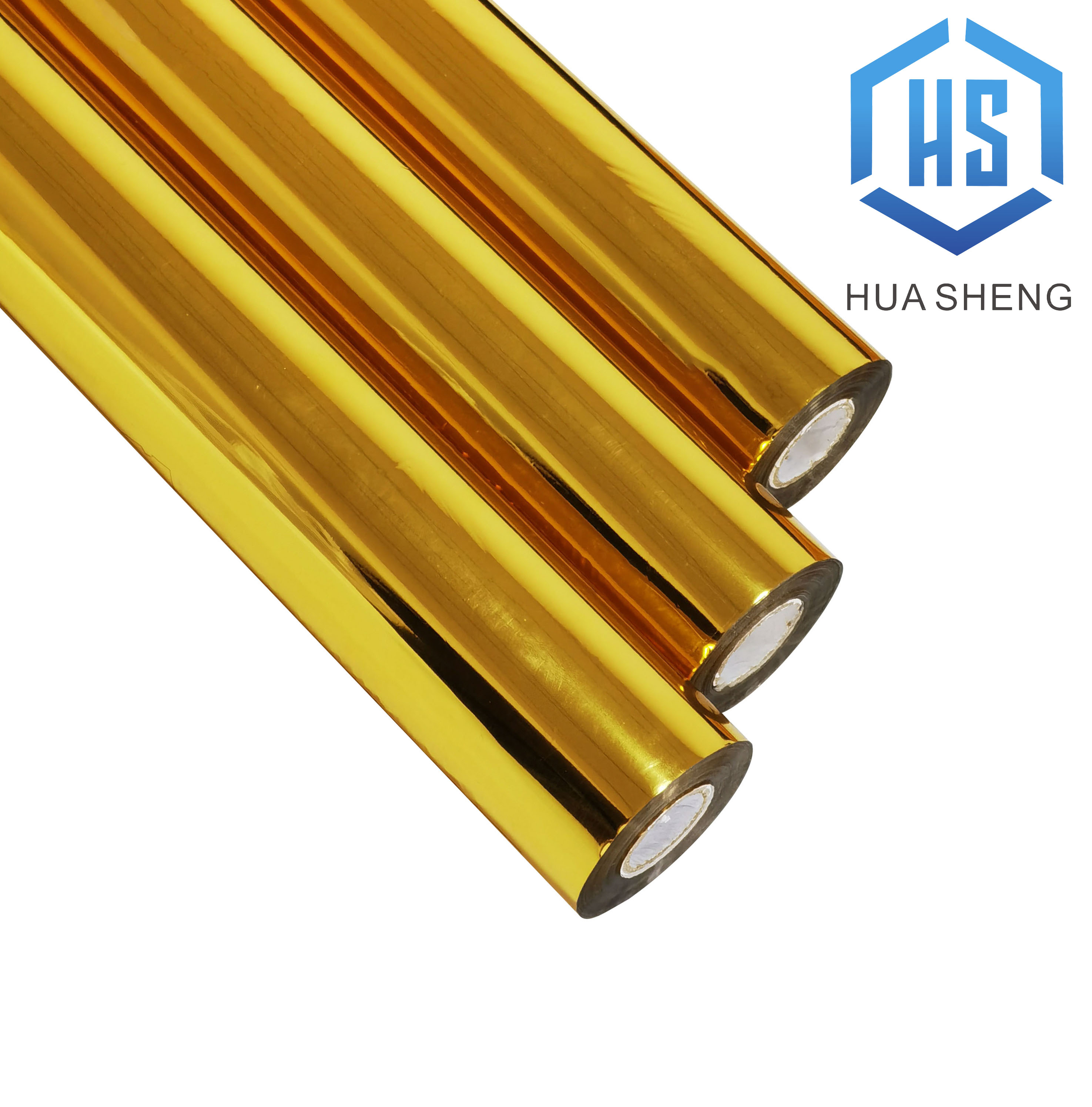
When evaluating decorative printing foil, you must weigh tooling and setup expenses heavily. Traditional stamping requires custom-engraved brass or magnesium dies. These metal tools command high initial investments and extend production timelines. However, stamping excels in rapid throughput for massive commercial runs. Screen printing removes the metal die barrier entirely. You simply burn a standard mesh. This dramatically lowers the entry barrier for custom or medium-run projects.
The visual yield differs significantly between these methods. Metallic inks rely on suspended metal flakes. They often produce a muted, glitter-like, or particulate-heavy finish. The cured ink looks inherently grainy under close inspection. True foils bypass this particulate limitation. They lay down a solid, uninterrupted metallic film delivering a true, mirror-like reflection. This creates an unbroken sheen commanding immediate consumer attention.
Substrate versatility gives the adhesive-based approach a distinct edge. Traditional stamping relies on sheer mechanical force, crushing delicate or highly textured materials. Printed adhesives sit gently on top of the substrate. They allow operators to apply brilliant finishes onto heavily textured fabrics, ribbed paper, and heat-sensitive synthetics without causing structural damage.
Evaluate the selection logic using this clear decision matrix:
Requirement | Recommended Method | Primary Reason |
|---|---|---|
Fine halftones & gradients | Metallic Inks | Pigment control allows for subtle tonal blending and shading. |
Rigid, high-volume packaging | Traditional Stamping | Metal dies withstand millions of rapid mechanical impressions. |
Custom apparel & medium-runs | Screen Application | No die expenses; superior adhesion on flexible fabrics. |
Highly textured substrates | Screen Application | Adhesive fills gaps without crushing the underlying material. |
The industry continuously evolves, offering specialized films for distinct materials. Standard heat transfer foil dominates the custom apparel sector. Operators evaluate these films based on wash-fastness and release properties. They require high heat (often around 300°F to 350°F) to activate the plastisol or water-based receptor underneath. The combination of heat and heavy pressure drives the bond deep into the garment fibers.
For commercial printing and paper packaging, screen printing cold foil provides a powerful alternative. This method utilizes specialized UV-curable adhesives. It eliminates the need for intense heat, protecting delicate paper stock and thin plastics from thermal warping. Inline production advantages make it highly efficient. Operators print the UV adhesive, apply the film, and run it under a curing lamp in one continuous, high-speed pass.
Digital hybrid workflows have also transformed modern production floors. The integration of DTF foil (Direct-to-Film) accommodates short-run, highly complex variable data. Operators print adhesive designs digitally, apply a specialized powder, and mate the reflective layer during the final thermal transfer. This bypasses traditional mesh setups entirely. It allows multi-color, highly detailed applications on demand.
Specialty packaging increasingly relies on varnish paper foil. Here, operators use a high-build clear varnish as the primary receptor. You must carefully balance desired gloss levels against production speeds. Thicker varnish yields a pronounced, tactile raised effect. However, it requires slower curing times to prevent smudging and maintain sharp graphic outlines.
Modern brands face a persistent business problem. They must achieve premium brand positioning without breaking strict unit-cost margins. Standard flat printing rarely captures consumer attention in crowded retail environments. Integrating high-gloss, reflective finishes directly addresses this challenge by breaking visual monotony.
The perceived value of a product dramatically increases when reflective elements catch ambient light. This enhanced shelf appeal allows brands to command higher pricing tiers effortlessly. Whether launching custom limited-edition apparel or luxury cosmetic boxes, the metallic finish signals uncompromising quality. The actual production cost remains manageable because you eliminate expensive metal tooling upfront.
However, you must transparently assess scalability limitations before overcommitting. Throughput bottlenecks frequently occur in apparel runs. Manual heat pressing limits hourly production rates severely. Operators must manually align, press, and peel each individual garment. When order volumes surge into the thousands, manual methods destroy profit margins. Transitioning to automated cylinder presses or inline indexing stations becomes strictly necessary to maintain profitability on large-scale runs.
Despite its visual advantages, this application process introduces specific manufacturing risks. Fibrillation and flaking stand out as the most common failures. When the metallic layer separates from the adhesive, the garment or package looks instantly defective. Under-curing the adhesive base causes this severe separation. Applying inadequate mechanical pressure during the mating phase also leaves weak bonding zones prone to cracking.
Edge definition presents another critical hurdle. Adhesive spread during the pressing phase causes severe visual bleed. The heated plastisol squishes outward, bridging small gaps. This ruins fine text and blurs sharp logo edges. You must control the adhesive viscosity strictly and apply precise pressure to keep edges perfectly crisp.
Apparel decorators must adhere to strict washability standards. Setting realistic expectations for longevity prevents costly customer disputes and returns. You must implement these mandatory care guidelines:
Always instruct end-users to wash garments inside-out to protect the finish.
Mandate cold water cycles to prevent adhesive reactivation and melting.
Prohibit tumble drying entirely; recommend hang-drying only for maximum lifespan.
Finally, rigorous vendor vetting ensures consistent results across multiple orders. When selecting suppliers, test their release liners for smooth, predictable peeling. Verify chemical compatibility between their films and your specific house adhesives. Always request batch-consistency data to ensure the gold film you order today perfectly matches the gold film you reorder six months from now.
Adopting these high-gloss metallic finishes involves distinct structural trade-offs. You gain brilliant, high-end aesthetics and broad substrate versatility without investing heavily in expensive metal dies. The process enables stunning visuals across textiles, textured papers, and complex packaging designs. However, you must implement strict quality control measures to manage edge definition, monitor adhesive viscosity, and mitigate washability risks.
Never skip pilot testing. Always test your chosen adhesives and metallic films on the exact production substrates before approving a full-scale rollout. This confirms your TTP matrix is accurate and prevents catastrophic batch rejections. Small formulation differences between fabric batches can ruin adhesion entirely if left untested.
Take the next logical step in elevating your print capabilities today. Request technical data sheets (TDS) and sample swatches to verify chemical compatibility firsthand. Schedule a comprehensive vendor consultation to pinpoint the exact film specifications required for your upcoming production runs.
A: Durability depends heavily on application quality and user care. A properly cured adhesive base typically withstands 20 to 30 wash cycles before noticeable dulling or micro-flaking occurs. Longevity requires strict adherence to care instructions. Consumers must wash the garment inside-out in cold water, use mild detergents, and avoid tumble drying entirely. High heat or harsh chemicals will prematurely degrade the adhesive bond and the metallic finish.
A: Generally, no. UV-curable cold processes are engineered specifically for smooth, rigid substrates like paper and commercial packaging. They rely on inline UV lamps to cure the adhesive instantly. Fabrics are porous, textured, and highly flexible. Textiles require heat-activated plastisol or water-based adhesives. These specialized textile adhesives need the high heat and heavy pressure of a standard heat press to drive the bond deep into the fabric fibers.
A: Standard baseline ranges dictate lower mesh counts for adhesive printing. A mesh count between 86 and 110 is optimal. Lower counts allow a thicker, heavier deposit of the receptor base. This thick layer provides the necessary mechanical grip for the metallic sheet to bond securely. Using higher mesh counts deposits too little adhesive, resulting in poor opacity, weak structural bonding, and premature flaking during consumer use.
A: Patchy results stem from an inconsistent Time, Temperature, and Pressure (TTP) matrix. Common culprits include uneven heat distribution across the press platen or inadequate mechanical pressure. If the base adhesive is under-cured before pressing, it will not activate properly. Additionally, peeling at the wrong temperature causes failure. Some films require a completely "cold peel," while others demand a "hot peel."


