
close
Choose Your Site
Global
Social Media

Views: 0 Author: Site Editor Publish Time: 2026-08-07 Origin: Site


Luxury brands rely on flawless finishing to communicate ultimate product quality. Applying generic foils to premium leather goods often results in unacceptable scrap rates, flaking logos, and severe brand damage. Manufacturers face immense pressure to deliver perfection on every single run. Leather presents highly unique decoration challenges compared to standard packaging. Whether you use genuine hides or synthetic alternatives, you must account for natural oils, extreme texture variations, and high flexibility requirements. You simply cannot treat these substrates like flat, predictable paper cartons.
We will explore a rigorous technical framework for evaluating and selecting these specialized materials. You will learn how to specify the correct hot stamping foil for leather to ensure long-term adhesion, clean edge definition, and seamless production scalability. Understanding the underlying chemistry eliminates guesswork and secures your production lines against costly failures.
Formulations meant for rigid plastics or coated paper simply fail on organic substrates. Leather contains natural oils, rich waxes, and residual tanning chemicals. These elements naturally repel standard industrial adhesives. They form an invisible barrier on the surface. You need specialized sizing layers to penetrate this barrier and bond securely. Without the correct chemical bridge, the design will flake away rapidly.
Surface tension and texture patterns vary wildly across different hides. Pebbled calfskin demands vastly different stamping pressure than a smooth Nappa finish. Deep grain structures require a foil built with a robust release layer. This specific characteristic prevents the color from bridging improperly across the texture valleys. It ensures the pigment only adheres where the heated die makes direct, forceful contact.
Thermal sensitivity introduces another massive variable into the process. You must manage machine heat exceptionally carefully. If your material needs extreme heat to activate the glue, you risk scorching the delicate substrate. Too much ambient heat also causes the natural grain pattern to collapse entirely. You lose the premium texture you paid for. Optimal materials activate efficiently at lower, safer temperatures.
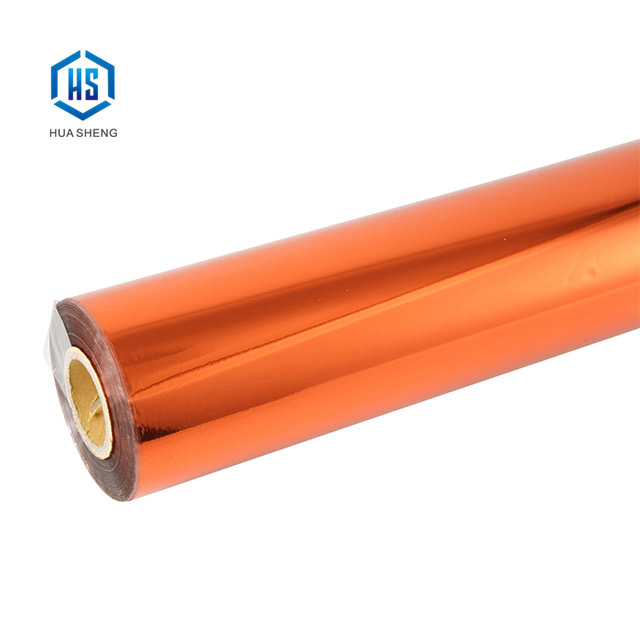
Finding exact leather foil specifications requires aligning the foil chemistry directly with your exact substrate type. A mismatch here guarantees catastrophic adhesion failure.
Genuine hides need incredibly aggressive adhesive layers. The glue must penetrate porous, organic surfaces effectively to create a mechanical bond. Chrome-tanned leathers often carry trace metallic salts left over from the tanning drums. You need strict chemical compatibility to prevent long-term material degradation. Standard glues will break down when exposed to these residual salts over time.
Vegetable-tanned leather reacts differently. It accepts heavy blind debossing beautifully due to its high moisture content. However, applying metallic finishes over veg-tan requires highly specific formulations. The natural tannins react poorly with cheap metallization layers. The wrong chemistry leads directly to severe oxidation. You might see brilliant gold finishes turn dull or green after a few months.
Synthetics present entirely different manufacturing hurdles. The primary risk involves accidentally melting the synthetic polyurethane topcoat. Plasticizers inside PU and PVC materials also migrate toward the surface over time. This slow chemical migration actively destabilizes standard foil adhesives. The logo looks fine today but peels off next week.
You must specify low-temperature activation models for these plastics. They bond securely before the synthetic surface begins to warp, melt, or burn. The adhesive sizing must also resist plasticizer interference. This ensures the bond remains permanent even as the underlying PVC ages and shifts chemically.
Different consumer products endure vastly different daily abuse. You must tailor your selection to the exact physical demands of the final item.
A dedicated bag stamping foil prioritizes high abrasion resistance and flawless large surface-area coverage. Handbags swing constantly against denim jeans and heavy coats. The finish must withstand this relentless friction from daily handling.
Your primary evaluation metric here is friction survival. It will rub against clothing constantly. The material must retain its original metallic brilliance without premature wearing or dulling. If the clear protective topcoat fails, the underlying pigment will smear across the customer's garments.
Applying a shoe decoration foil demands extreme flex resistance and robust weatherability. Footwear bends thousands of times per day. The vamp of the shoe experiences massive, repeated structural stress.
The primary evaluation metric focuses on performance under dynamic bending. The decorated surface must stretch slightly without cracking. It also requires heavy resistance to ambient moisture, rain, and harsh street chemicals like winter rock salt. Rigid formulations will shatter immediately upon the first step.
When applying a leather logo foil to small accessories, edge definition remains paramount. Wallets, keychains, and belts often feature highly intricate brand crests and tiny typography. You need a material formulated for a surgically clean release.
The evaluation metric is microscopic rendering capability. The material must render tiny text cleanly. You want perfect definition without filling or bridging tight design spaces. A sloppy release layer causes the centers of letters like "A" and "O" to fill in with unwanted foil.
Technical Data Sheets (TDS) reveal the objective truth about material performance. They replace marketing claims with hard engineering facts. Let us break down the essential specifications you must review.
The release coat formulation dictates exactly how the pigment separates from the clear carrier. A "tight" release works perfectly for fine lines and tiny fonts. It holds the foil firmly, only letting go where pressure is highest. An "easy" release suits broad, solid coverage areas. Your choice directly impacts machine run speeds and overall design crispness.
Operating temperature windows matter heavily on busy factory floors. Look for a notably wide activation range. A forgiving window of 90°C–130°C offers great operational flexibility. This wide margin reduces human operator error heavily. It minimizes scrap rates during long, continuous production runs where die temperatures fluctuate naturally.
Carrier film thickness serves as the physical backbone. Polyethylene terephthalate (PET) usually acts as the base carrier. Thick carriers push deeper, more pronounced impressions into thick hides. Thin carriers transfer heat much faster for rapid cycle times. You must match this exact thickness to your specific substrate's density.
| Specification Parameter | Standard Range | Primary Impact on Production |
|---|---|---|
| Activation Temperature | 90°C - 140°C | Determines adhesion speed and prevents substrate scorch marks. |
| Carrier PET Thickness | 12µm - 23µm | Controls heat transfer rate and maximum possible stamping depth. |
| Release Coat Profile | Tight / Medium / Easy | Dictates edge sharpness for fine logos versus broad area coverage. |
| Adhesive Sizing Type | Acrylic / Polyurethane | Ensures chemical compatibility with natural oils or PVC plasticizers. |
Never approve a new material blindly based on visual appearance alone. You must implement rigorous quality assurance protocols before signing off on any bulk purchase.
Physical testing separates premium goods from failing products. We recommend standardizing these QA tests in your facility:
Authoritative bodies regulate consumer safety aggressively. Ensure your materials carry current REACH, RoHS, and CPSIA compliance certificates. The formulations must remain entirely free from heavy metals, phthalates, and restricted toxins. This proves incredibly critical for wearable accessories touching human skin daily. Major retailers will reject non-compliant inventory outright.
Vibrant pigments naturally degrade under prolonged sunlight exposure. Ask your manufacturer for verifiable lightfastness ratings. Metallic finishes displayed in bright retail windows will fade quickly if improperly formulated. You need specialized, UV-resistant topcoats to lock the color in place for years.
Sourcing the right partner requires a methodical, evidence-based approach. You cannot afford to guess during the R&D phase.
When requesting samples, use a highly structured approach. Provide your supplier with exact context. Specify your exact substrate type and thickness. Mention your specific stamping machine model. Detail the exact die material you plan to use. Brass dies hold and radiate heat very differently than cheaper magnesium dies. The supplier needs this data to send the correct formulation.
The prototyping phase demands strict realism. Small laboratory hand-presses do not reflect actual factory reality. They apply pressure inconsistently. You must run physical trials on actual production lines. Use the exact leather batch intended for bulk manufacturing. Small variations in a tannery's finishing process will ruin your baseline assumptions.
Watch carefully for common industry red flags. Walk away immediately from suppliers refusing to provide a detailed Material Safety Data Sheet (MSDS). Be extremely wary of "one-size-fits-all" product claims. High-end leather finishing demands tailored chemistry, not generic compromises.
A: Flaking usually results from incompatible adhesive sizing. The foil's glue layer cannot bond securely through residual surface oils, heavy natural waxes, or silicone topcoats. Inadequate stamping pressure and improper heat activation also cause weak mechanical adhesion. Always match the chemical formulation directly to your specific substrate.
A: The ideal activation range typically falls between 100°C and 140°C for genuine hides. However, you must carefully monitor synthetic alternatives. Materials like PU leather require much lower heat thresholds, often around 90°C to 110°C, to prevent melting or warping the plastic topcoat.
A: No. Paper and leather require entirely different chemical properties. Leather stretches, flexes, and contains natural oils. Paper remains highly rigid and dry. Cross-use usually leads to immediate failure, severe cracking, or rapid flaking. You need specialized elastic adhesives for flexible goods.
A: Conduct the standardized cross-hatch tape test to measure baseline adhesion. Score a grid into the stamped logo, apply strong tape, and pull rapidly. Additionally, use basic friction testing, like the Taber abrasion method, to simulate daily wear and tear accurately.


