
close
Choose Your Site
Global
Social Media

Views: 0 Author: Site Editor Publish Time: 2026-08-04 Origin: Site


Flaking, scratching, or fading branding on a cosmetic bottle destroys perceived product value before the consumer even finishes the product. Consumers judge a beauty product heavily by its exterior finish. If the logo rubs off after a week, they assume the formula inside is equally cheap. A degraded exterior ruins the entire brand experience.
Cosmetic containers endure harsh lifecycle conditions daily. They face constant friction inside cramped makeup bags. They endure frequent handling from lotion-covered hands. Furthermore, exposure to highly concentrated oils and alcohols actively attacks surface decorations. Standard foils often fail under these intense, real-world conditions.
This guide provides a technical framework for packaging engineers and brand managers. We will help you evaluate, test, and specify high-performance foils. You will learn how to match foil chemistry to your specific bottles. Ultimately, this approach ensures your packaging survives the entire consumer lifecycle intact.
You cannot separate brand perception from packaging reality. Premature wear directly damages consumer trust. A high-end serum might contain expensive, scientifically backed ingredients. However, if the gold lettering chips off the glass dropper, the user instantly feels cheated. Premature wear signals a cheap formulation to the end-user. They rarely blame the packaging engineer; they blame the brand.
Failed cosmetic packaging decoration carries severe financial consequences beyond lost customer loyalty. Quality assurance teams regularly scrap thousands of units post-stamping due to poor adhesion. These rejects waste expensive blank bottles and consume valuable line time. Additionally, transit abrasion causes further losses. Bottles rubbing against cardboard dividers during shipping often arrive at retail stores already damaged. Retailers will return these unsellable units, forcing brands to absorb heavy losses.
How do we define a successful decorative application? A proper finish must survive three distinct challenges:
If your foil degrades under any of these conditions, the packaging has failed its primary mission.
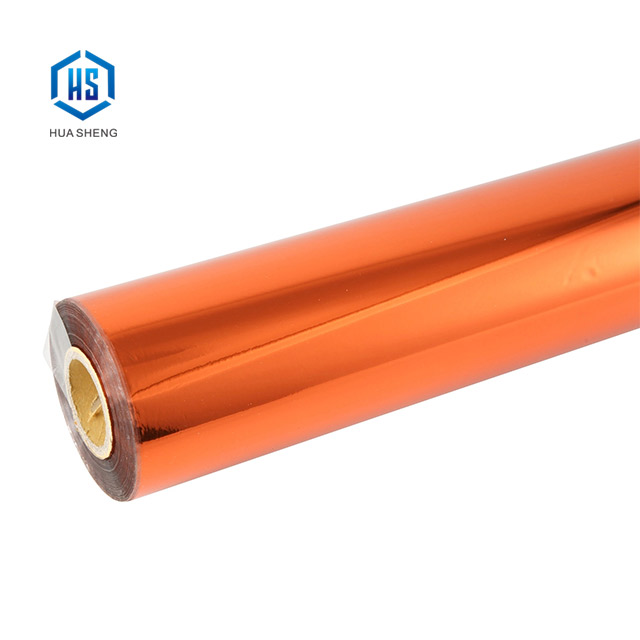
To solve abrasion issues, you must understand foil anatomy. Stamping foil is not a single piece of metal. It is a highly engineered, multi-layered sandwich. When you apply hot stamping foil for cosmetic bottles, you transfer several microscopic layers onto the substrate.
| Layer Name | Primary Function | Impact on Durability |
|---|---|---|
| Carrier Film (PET) | Transports the foil through the machine. | Discarded after stamping; no impact on final durability. |
| Release Layer | Melts under heat to release the foil from the carrier. | Ensures clean edges, preventing micro-flaking at the borders. |
| Protective Topcoat | Provides a clear, hard barrier over the color. | Critical for physical abrasion and chemical resistance. |
| Metallic/Pigment Layer | Delivers the visual color (gold, silver, pigment). | Purely aesthetic; highly vulnerable if exposed. |
| Sizing (Adhesive) Layer | Bonds the foil layers to the bottle substrate. | Critical for foundational adhesion; prevents peeling. |
Many engineers mistakenly blame the metallic layer when foil scratches off. In reality, the clear topcoat serves as the actual barrier against physical abrasion. The metallic layer itself is incredibly fragile. The topcoat acts like a shield. Harder topcoat formulations resist scratching much better. However, harder lacquers typically require much higher stamping temperatures to transfer cleanly. You must balance this heat requirement against the thermal limits of your plastic bottles.
The sizing layer plays an equally vital role. The adhesive formulation dictates the foundational bond strength to the bottle. A weak bond causes peeling. To the untrained eye, this peeling mimics abrasion failure. If the adhesive cannot grip the plastic, even the hardest topcoat will flake away under minimal friction.
You cannot use a universal foil for every packaging project. You must pair a specific abrasion resistant foil with the exact surface chemistry of your bottle. Mismatched materials guarantee failure in the field.
Plastic containers dominate the cosmetic industry, but their surface energies vary wildly. Formulating a reliable plastic bottle foil requires a deep understanding of polymer science.
PET and PETG Bottles: These plastics offer rigid, exceptionally smooth surfaces. They generally accept foil very well. However, they require highly specific sizing layers. Because the surface is so smooth, the adhesive must rely on chemical bonding rather than mechanical interlocking. When matched correctly, PET bottles hold foil tenaciously.
PE, HDPE, and PP (Polyolefins): These materials present a massive challenge. Polypropylene (PP) and Polyethylene (PE) feature notoriously low surface energy. They naturally repel adhesives. If you stamp directly onto raw PP, the foil will easily rub off. To ensure success, you must follow these prep steps:
Glass bottles require heavily specialized foils. Glass offers a non-porous, rigid, and completely unyielding surface. Traditional hot stamping foils struggle to grip bare glass without excessive heat, which can crack the container. Manufacturers often use cold foil techniques for glass. Alternatively, they specify highly customized hot stamping foils designed exclusively for siliceous surfaces. These specific foils prevent scratching while maintaining a brilliant mirror finish.
Many modern brands prefer soft-touch sprays or matte varnishes. These finishes look incredible but create a nightmare for foil application. The soft-touch coating acts as a physical barrier. It blocks the foil's sizing layer from reaching the underlying plastic. Furthermore, the soft coating compresses under the stamping die. This compression absorbs the stamping pressure, resulting in a weak, easily abraded bond. You must source foils explicitly formulated to bite through these secondary coatings.
Never assume a foil will perform based purely on a supplier's data sheet. You must demand rigorous, standardized testing before approving full-scale production. Evaluating a durable stamping foil requires physical, chemical, and visual assessments.
Mechanical friction testing simulates years of lifecycle wear in just a few minutes. Packaging labs rely heavily on the Sutherland Rub Test or the RCA Abrasion Test. These machines rub a standardized weighted pad across the foiled surface repeatedly. You count the number of cycles required to expose the underlying plastic.
Equally important is foundational adhesion testing. The Cross-Hatch Tape Test (ASTM D3359) remains the industry gold standard. A technician cuts a precise grid into the foiled area. They apply a specialized, high-tack tape over the grid and rip it off rapidly. If any foil squares detach from the bottle, the adhesive bond has failed. This test immediately exposes incompatible sizing layers.
Cosmetics contain aggressive ingredients. Essential oils, high-proof ethanol, and harsh surfactants will dissolve weak foil topcoats. You must perform a "Product Spill" test.
Take a stamped bottle and deliberately smear the actual cosmetic formula over the foil. Let it sit for 24 to 48 hours in a temperature-controlled environment. Afterward, wipe it clean and perform a tape test. Often, chemical degradation softens the topcoat invisibly. A foil might pass a dry rub test perfectly but fail instantly after exposure to facial serum.
Durability cannot come at the expense of aesthetics. Suppliers can add heavy-duty hardcoats to improve scratch resistance. However, these thick coatings sometimes cloud the high-gloss metallic finish. They can also make the foil brittle. Brittle foils refuse to cut cleanly at the edges during stamping, causing microscopic edge-flaking. Run a fingernail lightly along the edge of the stamped logo. If you feel jagged edges, the hardcoat is too brittle for your tooling.
Even the most perfectly engineered foil will fail if applied incorrectly. The stamping machine parameters account for up to 50% of all durability failures. You must monitor the production line closely.
Hot stamping relies on a precise thermal window. If the stamping die runs too cold, the sizing adhesive never fully activates. The foil might look fine initially, but it will suffer from poor abrasion resistance. Conversely, if the die runs too hot, the extreme heat degrades the protective topcoat. A burnt topcoat turns brittle and flakes off easily. Dwell time (how long the die touches the bottle) also affects this thermal transfer. Operators must lock these parameters down tightly.
The stamping die physically presses the foil into the bottle. Over time, silicone dies degrade, and metal dies wear down. Worn tooling creates uneven pressure across the logo. High-pressure zones bond perfectly, but low-pressure zones leave microscopic unadhered edges. These loose edges catch on makeup bags or fingernails, initiating severe flaking.
Factory conditions directly influence foil bonding. High humidity alters the surface tension of certain plastics. Dust contamination creates an immediate barrier between the bottle and the foil adhesive. When bottles sit in cardboard boxes for months, they accumulate paper dust. If operators do not blow the dust off before stamping, the foil bonds to the dust, not the plastic. This always results in catastrophic peeling.
Choosing the right foil supplier requires strict vetting. Do not treat foil as a generic commodity. Proper specification prevents massive headaches down the road.
First, demand application-specific formulations. Avoid suppliers who push "universal" foils. A foil designed for paper packaging will completely fail on a plastic cosmetic bottle. Request formulations specifically engineered for cosmetic handling and matched to your exact substrate.
Second, enforce sample testing mandates. Never accept tests performed on flat test plaques. Flat plaques do not replicate the curvature, tooling pressure, or surface tension of your actual bottles. Require suppliers to provide sample rolls. Run these rolls on your production line and perform your own rub and chemical testing.
Finally, insist on batch-to-batch consistency verification. Ask your supplier for Quality Assurance protocols, such as Certificates of Analysis (COAs). You need a guarantee that the protective lacquer thickness and adhesive chemistry remain perfectly consistent across high-volume orders. A slight dip in topcoat thickness on a subsequent batch will ruin your abrasion resistance.
Evaluating and selecting the right foil requires a methodical approach. You must perfectly align your bottle substrate, the foil chemistry, and your line application parameters. Ignoring any one of these factors compromises the entire package.
Always prioritize upfront chemical and physical rub testing over baseline material cost. Cheaper foils often utilize thinner topcoats and weaker adhesives. The return on investment for brand integrity far outweighs minor savings on foil rolls. Protect your brand perception by specifying materials proven to endure the harsh realities of consumer use.
A: Foil easily scratches off when the sizing adhesive fails to match the bottle's material. Low surface energy on plastics like PP prevents proper bonding. Additionally, insufficient stamping pressure or low heat prevents the adhesive from fully activating, leaving the foil vulnerable to minor friction.
A: Yes, but the mechanisms differ. Cold foil relies on UV-cured liquid adhesives to grip the substrate, which can be highly durable on glass or smooth plastics. Hot stamping utilizes a thermal bond and pre-cured hardcoats. Both offer excellent durability if specified correctly for the substrate.
A: Aggressive cosmetic ingredients act as chemical plasticizers. Essential oils and ethanol can penetrate the foil layers, softening the clear topcoat and dissolving the sizing adhesive. This chemical degradation dramatically weakens the foil, causing it to fail physical rub tests it would otherwise pass dry.
A: Generally, no. They utilize entirely different topcoat formulations. Matte foils use microscopic texturing agents to scatter light, which can sometimes make them slightly more porous or prone to showing scuff marks. High-gloss foils often feature harder, continuous clear coats that offer superior scratch resistance.


