
close
Choose Your Site
Global
Social Media

Views: 0 Author: Site Editor Publish Time: 2026-08-02 Origin: Site


Foil cracking represents far more than a simple cosmetic flaw. It stands as a critical failure point. Flex cracking and pinholing severely compromise essential moisture and oxygen barriers. This structural breach leads to rapid product spoilage. It also triggers highly costly product recalls. Manufacturers rely heavily on metallic layers for protection. A standard flexible packaging foil delivers truly superior barrier properties. It serves the food, medical, and industrial sectors flawlessly. However, its rigid metallic nature remains inherently susceptible to fatigue. You cannot pair rigid metals and pliable plastics without encountering intense stress forces. This guide serves a specific, actionable purpose. It equips packaging engineers and procurement teams everywhere. We provide an evidence-based framework for your daily operations. You will learn to diagnose complex root causes quickly. We explain how to select resilient materials correctly. Finally, you will discover how to implement rigorous process controls. These controls mitigate cracking risks effectively across your entire production line.
Pinhole frequency correlates directly to massive increases in gas transmission. When pinholes form, they destroy the hermetic seal completely. Oxygen and moisture invade the package rapidly. This barrier loss drastically shortens product shelf life. We see this often in dehydrated foods. Sensitive pharmaceuticals also suffer immense damage. Objective data proves a critical point. Even microscopic fractures spike gas transmission rates exponentially. You might not see the crack visually. However, the sensitive compounds inside degrade immediately. Lipid oxidation ruins snacks quickly. Active pharmaceutical ingredients lose efficacy long before expiration dates.
Regulated industries face massive stakes here. Healthcare and food sectors demand absolute perfection. A compromised seal violates stringent packaging integrity standards directly. Cracked metallic layers invite swift regulatory action. They also trigger mandatory product recalls. Authorities enforce rigorous barrier requirements globally. You cannot afford undetected fractures in regulated environments. Life-saving medical device pouches require pristine seals. Any breach risks patient safety directly. Strict compliance audits will expose these material failures quickly.
Evaluators must shift their mindset immediately. Stop looking solely at the initial cost per roll. We need to evaluate the holistic cost of material failure. Material failure encompasses internal rework and scrap rates. It also includes catastrophic brand damage. A cheaper laminate costs you much more eventually. It fails constantly during transport. Calculating TCQ reveals the true financial drain. Flex fatigue destroys profit margins silently. You must factor in customer returns and expensive disposal fees when qualifying materials.
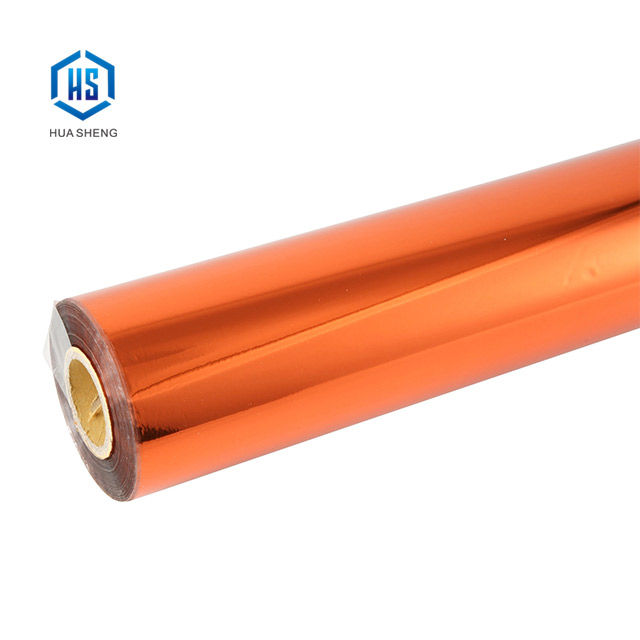
Repeated bending causes severe structural damage over time. Transport involves constant vibration, folding, and dropping. These mechanical stresses induce microscopic fractures inside the aluminum layer. We call this phenomenon flex fatigue. Standard transit routes subject pallets to continuous shaking. The rigid metal cannot absorb this kinetic energy infinitely. Eventually, the crystalline structure of the metal fractures under pressure. Retail handling adds another layer of abuse. Shoppers squeeze and drop items frequently. This everyday handling worsens existing micro-cracks significantly.
Aluminum and polymer layers behave very differently under tension. Elastic materials stretch easily under load. Solid aluminum does not share this trait. This fundamental difference in elongation properties spells trouble. You often pair aluminum against a plastic film foil layer like PET or PE. Mismatched tensile strengths create extreme shear stress. This happens precisely at the lamination boundary. The highly elastic plastic pulls the rigid aluminum forcefully. It pulls until the metal simply tears. You must build a highly resilient flexible substrate foil composite carefully. It demands perfectly matched elongation coefficients across all layers.
Material Elongation Property Comparison
| Material Type | Typical Elongation Before Break | Flexibility Rating under Kinetic Stress |
|---|---|---|
| Standard Solid Aluminum (1000 Series) | ~2% to 5% | Low (Highly prone to flex fatigue) |
| Optimized Soft Alloy (8000 Series) | ~5% to 8% | Moderate (Resists micro-fractures better) |
| PET (Polyethylene Terephthalate) | >100% | Very High (Creates severe shear stress against metals) |
Supply chains experience extreme temperature fluctuations regularly. Cold storage and hot shipping containers expand materials differently. Laminated layers expand and contract at entirely unequal rates. Thermal expansion mismatches exacerbate mechanical cracking significantly. Cold environments also make laminating adhesives incredibly brittle. Brittle adhesives fail to dampen sudden physical shocks. They transfer mechanical stress directly into the metallic layer. They should absorb it instead. Extreme heat can soften polymer layers too much. This leaves the metal layer completely unsupported during rough transit.
Many engineers assume thicker metal performs better. This misconception causes countless field failures. Overly thick metal actually loses vital flexibility. It becomes stiff and snaps faster upon folding. You must specify a strategic alloy instead. Pair it with an optimal thickness parameter. This careful balance provides necessary barrier needs. It also maintains essential pliability. A specialized crack resistant stamping foil often relies on softer 8000-series aluminum alloys. These softer alloys bend rather than fracture. They handle the repetitive stress of automated packaging machinery smoothly.
Solid metal provides an absolute zero-transmission barrier. However, not every product actually requires zero transmission. High-barrier metallized plastic films offer excellent alternatives. They deposit microscopic metal layers onto highly elastic polymers. This creates a remarkably durable composite structure. They often outperform solid aluminum in flex-crack resistance. If you only need extremely low transmission, consider them. Metallized films offer a much safer alternative for aggressive handling scenarios. We evaluate the specific shelf-life requirements first. Then we choose the appropriate barrier technology.
Adhesives play a profoundly crucial mechanical role. The right laminating adhesives act as shock absorbers. They buffer the heavy mechanical shock occurring between layers. They sit directly between the rigid metal and the elastic layer. You need specialized polyurethane adhesives here. They dampen shear forces effectively. Proper coat weight ensures the adhesive layer absorbs destructive movement. Applying too little adhesive creates rigid stress points. Applying too much causes layer shifting. You must dial in the exact application geometry perfectly.
We must consider environmental impact constantly. Material changes must align strictly with recyclability guidelines. The APR Design Guide for PE Flexible packaging provides clear boundaries. We must innovate without ever sacrificing barrier integrity. Some modern structures utilize advanced mono-material designs. They incorporate specialized ultra-thin barrier coatings. These replace traditional mixed-material composites entirely. Recyclers struggle heavily with extensively metallized mixed plastics. By choosing optimized gauges, we reduce total material volume. This aligns perfectly with corporate sustainability mandates.
Precise web tension management prevents disastrous material failures. Over-tensioning during lamination pre-stresses the web significantly. The same applies during high-speed printing processes. This pre-stressing lowers its threshold for flex cracking later. The material arrives at the filling line already fatigued. You must use sensitive load cells continually. Automated tension zones monitor the web flawlessly. If rollers pull too hard, the metal yields silently. You will only discover the micro-cracks post-production when spoilage begins.
Correct drying temperatures matter deeply to structural health. Curing times for adhesives dictate final structural integrity. If you rush curing, delamination occurs inevitably. Solvent retention degrades the bond strength over time. Delamination leaves the metallic layer completely unsupported. Unsupported layers snap instantly under minor physical stress. We strictly enforce rigorous thermal profiling. We monitor the drying tunnels constantly using automated sensors. Proper foil process control requires mandatory audits. You must audit your curing chambers weekly. Temperature drops leave volatile solvents trapped inside the laminate.
Packaging line equipment needs aggressive, regular auditing. Form-fill-seal (FFS) machines frequently destroy perfect materials. Sharp forming collars scratch and score the surface deeply. Aggressive folding mechanisms cause severe mechanical damage. Operators must calibrate jaw pressure accurately. They must adjust folding geometries continually. Proper maintenance eliminates machine-induced micro-fractures effectively.
Implement this baseline equipment checklist:
You cannot fix equipment damage with better materials alone.
Never rely on mere visual inspections to judge quality. Micro-cracks remain completely invisible to the naked eye. The established industry standard is Gelbo Flex testing. ASTM F392 defines this exact methodology clearly. This test simulates real-world handling flawlessly. It twists and crushes the film repeatedly in a specialized mechanical chamber. We then count the exact pinhole formation meticulously. We measure them over specific set intervals, such as 100, 250, and 500 flex cycles. It objectively quantifies durability before field deployment. It exposes weak alloys immediately.
Demand comprehensive transmission data from your suppliers. You need both pre-flex and post-flex testing results. Understanding the actual barrier degradation curve is strictly essential. A film might show zero pinholes initially. However, it might fail catastrophically after 200 flexes. This curve dictates safe shelf-life calculations accurately. Do not accept single-point baseline data. The degradation slope tells the true story. It shows how the composite structure behaves over time under kinetic stress.
Evaluating vendors requires a strict, methodical approach. Use these criteria when shortlisting your manufacturing partners:
Suppliers must prove their testing rigor. Talk is cheap when dealing with microscopic barrier failures.
Preventing foil cracking requires a truly holistic approach. You must specify the correct alloy from the start. You need an optimal adhesive buffer to absorb kinetic shock. You also have to monitor web tension strictly. Packaging line mechanics play an equally vital role in structural preservation. Do not rely on material thickness alone to solve fatigue issues.
Take immediate action to protect your supply chain. Audit your current flexible packaging failure rates closely. Request comprehensive Gelbo flex data from your incumbent vendors today. Reach out to specialized packaging engineers immediately. They can help you test new resilient structures. Proper engineering eliminates spoilage and protects your brand reputation fiercely.
A: Flex cracking refers to the actual physical fracture. It happens inside the metallic layer due to repeated mechanical stress and bending. Pinholing is the direct result of this fracture. It is the microscopic perforation that breaches the package. This tiny hole compromises the hermetic seal and ruins the barrier.
A: Total elimination remains physically impossible under extreme, repeated stress. All metals eventually experience fatigue. However, proper material engineering reduces this risk significantly. By optimizing alloys and adhesives, we reduce cracking to statistically insignificant levels. This ensures the damage never impacts the targeted shelf life.
A: The industry relies heavily on the Gelbo Flex test. It follows the precise ASTM F392 standard. This machine twists and compresses the material repeatedly. Afterward, we measure the number of pinholes formed. We also conduct gas transmission tests to quantify the exact barrier loss accurately.
A: Recyclability depends entirely on the complete composite structure. Traditional mixed-material foils complicate mechanical recycling significantly. However, modern designs use specialized barrier coatings. They also follow strict design-for-recycling guidelines, like the APR framework. These evolved structures maintain crack resistance while supporting sustainable recycling streams.


