
close
Choose Your Site
Global
Social Media

Views: 0 Author: Site Editor Publish Time: 2026-11-10 Origin: Site


Automotive hot stamping foil adds metallic finishes to plastic vehicle components. For exterior ABS parts, it must offer more than visual appeal. Good adhesion, weather resistance, and consistent transfer are essential.
This guide explains the main requirements, applications, and testing methods for automotive decorative foils.
Table of Contents

Automotive hot stamping foil is a decorative transfer material used to apply metallic colors or other surface effects to vehicle components. Heat and pressure transfer the decorative layers from a carrier film onto the substrate.
The process uses a heated stamping die to activate the foil's adhesive layer. Under controlled pressure, the decorative layer separates from its carrier and bonds to the ABS surface.
The result depends on several factors:
The ABS formulation and surface condition.
The foil's adhesive and release characteristics.
The stamping temperature, pressure, and dwell time.
The die design and contact uniformity.
Any existing coating or surface treatment.
ABS is widely used for molded plastic components. However, different ABS grades may respond differently to heat and pressure.
A successful stamping process must create clear decoration without damaging the molded part.
Exterior automotive components operate in more demanding conditions than indoor decorative products.
They may face prolonged sunlight, moisture, road contamination, and repeated temperature changes.
Therefore, a metallic foil that performs well on packaging is not automatically suitable for exterior vehicle applications.
Automotive projects require application-specific material validation.
The performance of automotive hot stamping foil depends on the complete decorated component, not only the foil itself.
Reliable adhesion helps prevent peeling and loss of decoration.
The substrate should be clean and free from mold-release residues, oils, and other contaminants.
Surface coatings and pretreatment can also influence bonding. Some ABS materials may require additional process development.
A foil should be tested on the actual production substrate rather than an unrelated plastic sample.
Many automotive trim applications require a bright, chrome-like appearance.
The decorative finish should have consistent color, gloss, and reflectivity across the stamped area.
Buyers should compare sample parts under controlled lighting conditions.
A visually similar silver foil may still differ significantly from the approved reference.
Exterior components may experience ultraviolet exposure, rain, humidity, and thermal cycling.
These conditions can affect surface appearance and layer adhesion.
Weathering performance should be checked against the vehicle manufacturer's requirements.
The applicable test conditions depend on the component and its location.
Automotive exterior trim may contact detergents, dust, and cleaning equipment.
The decorated surface should withstand the intended service environment.
Where required, testing may include:
Surface abrasion and rubbing.
Chemical exposure.
Cleaning-agent resistance.
Water and humidity exposure.
Thermal aging.
These properties require validation on finished parts.
Chrome-look automotive decoration and general-purpose metallic foil can appear similar at first glance.
However, their intended operating conditions can be very different.
Comparison | Automotive Exterior Chrome Foil | General-Purpose Metallic Foil |
|---|---|---|
Primary application | Vehicle exterior decoration | Packaging and printed products |
Typical substrate | Automotive-grade plastics and treated surfaces | Paper, board, or compatible films |
Appearance requirement | Controlled chrome-like finish | Decorative metallic appearance |
Adhesion evaluation | Actual molded automotive parts | Target print or packaging substrate |
Weathering requirement | Often essential | Depends on application |
Qualification | Customer-specific component testing | Production and appearance testing |
These differences do not mean every general-purpose foil performs poorly on plastics.
They mean that exterior automotive suitability cannot be assumed from metallic color alone.
For alternative material evaluation, see our guide to KURZ hot stamping foil alternatives.
Decorative stamping can support several vehicle component applications when the substrate, geometry, and process are suitable.
Potential applications include selected grille accents, decorative strips, and exterior plastic details.
The geometry must allow the heated tool to contact the target surface consistently.
Metallic finishes may be used for logos, lettering, and ornamental details.
Fine patterns require a suitable release system and precise stamping conditions.
Interior decorative parts may have different performance requirements from exterior components.
A foil approved for interior trim should not automatically be treated as exterior-qualified.
Each application needs its own evaluation.
Testing should compare both appearance and performance against the approved production material.
Start by stamping the candidate foil onto actual molded components.
Record the operating conditions and inspect the finish for:
Missing or incomplete transfer.
Uneven metallic appearance.
Scratches and surface defects.
Poor edge definition.
Cracking around curves or corners.
Compare the finished pieces with an existing approved sample.
Adhesion testing helps determine whether the decorative layer remains attached after processing.
ISO 2409 provides a cross-cut method for evaluating the resistance of coating systems to separation from their substrates.
ASTM D3359 describes tape-based adhesion tests. Its published scope focuses on coatings over metallic substrates, so its use on decorated plastics requires appropriate technical agreement.
The final test method should follow the automotive customer's specification.
Exterior validation may include UV exposure, humidity conditioning, thermal cycling, and chemical resistance.
The exposure method and acceptance limits must be specified by the vehicle manufacturer or component buyer.
Passing an initial adhesion test does not guarantee long-term outdoor durability.
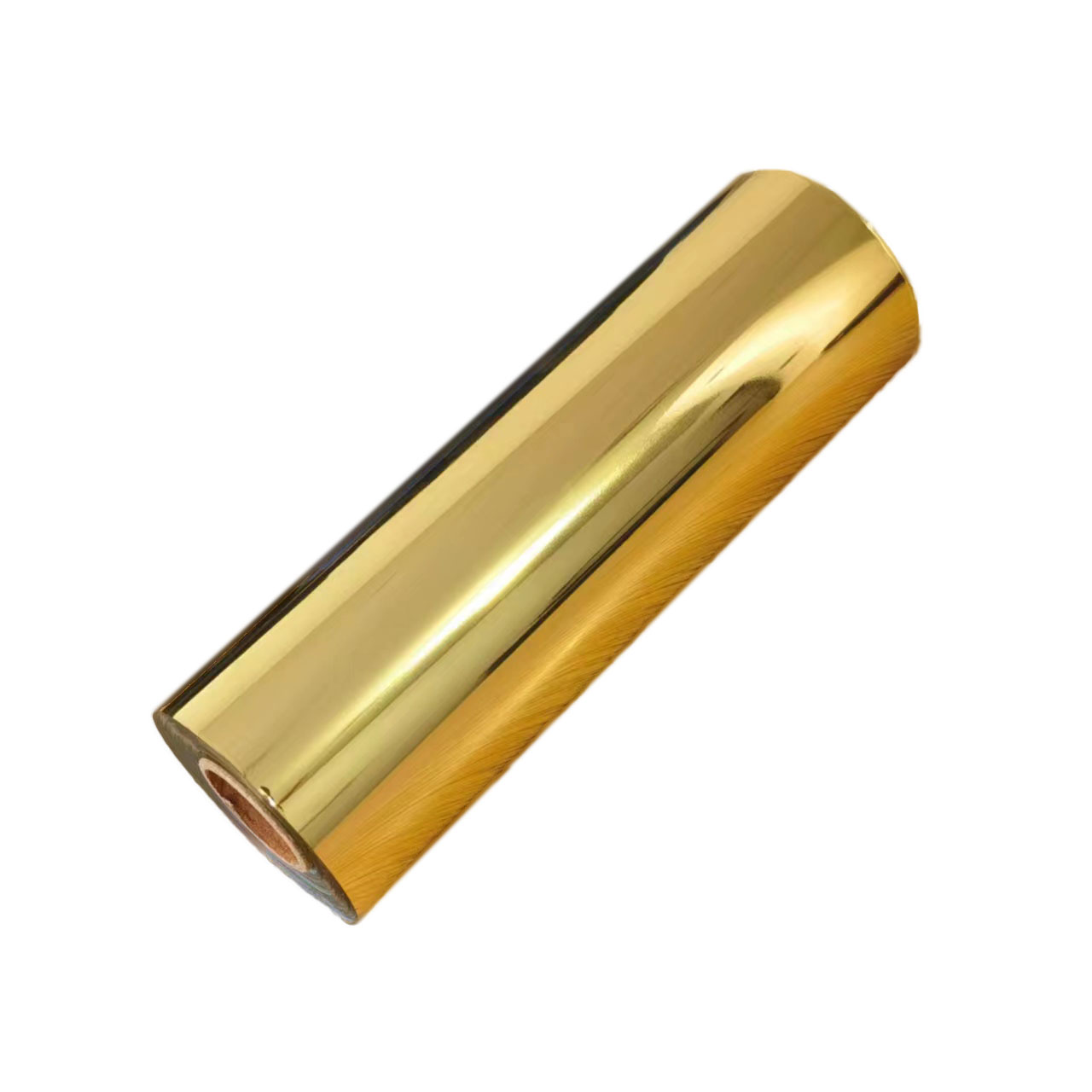
HUASHENG supplies hot stamping foils for plastic applications, including its AED series.
The existing AED product range includes metallic colors and applications involving ABS, PP, PVC, and PET.
For softer ABS surfaces, HUASHENG also offers a hot stamping foil for soft ABS.
These products provide starting points for substrate compatibility discussions.
However, automotive exterior qualification requires further technical review and testing. The published product descriptions do not establish a specific automotive exterior approval.
Yes, if the foil, substrate, and process meet the component's adhesion and environmental requirements.
No. Similar color does not prove equivalent appearance, durability, or substrate compatibility.
It depends on the foil grade and tested component. Outdoor performance must be verified.
Sometimes. The replacement must first be tested for transfer, appearance, and durability on the current equipment.
Automotive hot stamping foil must combine decorative appearance with reliable adhesion and validated durability. Exterior ABS applications require careful testing of both materials and processing conditions.
HUASHENG provides hot stamping foils for plastic substrates and supports application discussions. Share your ABS material, existing foil specifications, and performance requirements to explore suitable candidates.
Need Hot Stamping Foil for Automotive ABS Parts?
Contact HUASHENG with your substrate details, reference sample, target finish, and testing requirements. Our team can review available material options for your application.
