
Views: 0 Author: Site Editor Publish Time: 2026-08-31 Origin: Site


Degraded hot stamping foil creates massive hidden operational costs across production floors. You face increased setup times, poor transfer yields, and constantly rejected print runs. Proper storage is never an administrative afterthought. It serves as a critical quality-control variable for your facility. You must protect your raw material investment rigorously. Environmental exposure ruins perfectly good materials before they ever reach the press.
We will introduce the core environmental and physical protocols you need for success. You will learn how to maintain the chemical stability of your inventory. These methods protect the delicate release, color, and adhesive layers. By adopting strict physical racking guidelines and rotation strategies, you ensure flawless production runs. Mastering these variables keeps your presses running efficiently and profitably.
Foil rolls look robust from the outside. However, they contain highly sensitive microscopic layers. A standard roll consists of a polyester carrier, a release coat, a lacquer layer, a metallized vacuum layer, and an adhesive sizing. Environmental exposure degrades this complex structure rapidly. We often see the release layer harden. Sometimes the adhesive activates prematurely. This happens when facilities ignore proper foil roll storage conditions.
When material degrades, you will experience severe production failures. Flaking occurs when the release coat becomes brittle. Incomplete coverage happens if the adhesive layer loses its tackiness. Bridging often results from excess moisture altering the lacquer. Poor substrate adhesion leads directly to immediate quality control rejections. Press operators then waste valuable hours tweaking heat and pressure settings. They try fixing mechanical issues. The actual culprit is degraded foil.
A successful storage protocol eliminates this unnecessary material waste. It drastically reduces machine downtime associated with troubleshooting bad materials. You can measure success by tracking how often operators stop presses. Fewer web breaks indicate healthy foil. Cleaner stamp transfers also prove your storage methods work. Your primary goal is keeping the material in its original factory state.
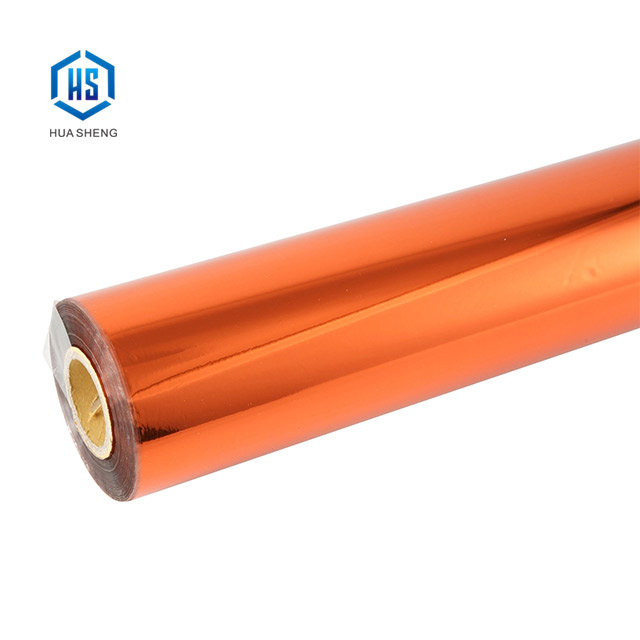
Temperature fluctuations aggressively attack foil chemistry. You must establish an evidence-backed safe zone for your materials. The ideal temperature range stays strictly between 5°C and 20°C (41°F to 68°F). Heat causes the adhesive sizing to soften and migrate. You must keep rolls far away from facility heat sources. Radiators, operating stamping machines, and uninsulated roofs pose severe risks. Prolonged heat exposure permanently alters the release coat properties.
Moisture management is equally critical for material stability. You must implement strict foil humidity control across all storage zones. Maintain a stable relative humidity between 30% and 60%.
Light and chemical exposure present additional hidden dangers. Direct ultraviolet light degrades pigment formulations rapidly. UV protection prevents catastrophic color fading in your metallic and pigment foils. You must also isolate rolls from solvent or chemical vapors. Vapors from cleaning agents easily penetrate standard cardboard packaging. These airborne chemicals compromise the delicate lacquer layer. They weaken the bond between the foil and your target substrate.
How you physically place and move rolls matters immensely. Improper orientation destroys hundreds of meters of usable material. You must mandate suspension storage for all master rolls. Hanging rolls by their cores prevents contact against the delicate outer surface. If you cannot suspend them, vertical end-standing remains the only acceptable alternative. Horizontal stacking causes severe pressure marks. It leads to telescoping and ultimately crushes the cardboard cores.
Your team must follow strict stamping foil handling protocols. Let us look at the mandatory steps for operators:
Edge damage is particularly disastrous during production. Micro-tears on the foil edge create physical stress concentrations. These weak points cause continuous web breaks during high-speed press runs.
Packaging retention serves as your final defensive barrier. Keep foil completely sealed inside its original moisture-barrier bags. Leave the protective bubble wrap intact until the exact moment of press setup. Operators often unwrap rolls early for convenience. This bad habit exposes the material to ambient plant conditions. Only unseal the product when the stamping machine is fully ready for calibration.
Production managers often overestimate how long materials last. Standard hot stamping foils possess a finite operational window. You can expect a 12 to 24-month usable foil shelf life under optimal conditions. Beyond this window, the release properties become highly unpredictable. The adhesive layer may lose its bonding strength entirely.
Not all formulations age at the same rate. Specialty foils exhibit much faster degradation curves compared to standard pigments. Holographic patterns, metallic finishes, and low-surface-energy formulations are highly sensitive. Their complex chemical structures break down quickly if climate controls fail.
You must build a highly scalable inventory management system. First-In, First-Out (FIFO) methodology is absolutely mandatory here. Date-stamp every single box immediately upon receiving it. Rotate your stock rigorously to prevent material expiration. Tracking lot numbers also helps isolate defective batches quickly.
| Foil Type | Estimated Usable Lifespan | Primary Degradation Risk |
|---|---|---|
| Standard Pigment | 18 - 24 Months | Adhesive hardening over time |
| Standard Metallic | 12 - 18 Months | Oxidation and release coat failure |
| Holographic | 9 - 12 Months | Pattern distortion and carrier brittleness |
| Low-Surface-Energy | 6 - 12 Months | Rapid loss of specialized tackiness |
Even perfect storage cannot prevent mishandling during the final setup phase. Moving materials between different temperature zones introduces massive risks. You face the acclimation rule every time you pull inventory. Bringing cold-stored foil directly onto a warm production floor causes immediate surface condensation. Moisture forms microscopic droplets on the adhesive layer. You must mandate a 24-hour acclimation period. Leave the roll in its sealed bag near the press. This allows the material to reach room temperature safely.
Facilities undergo drastic climate changes throughout the year. You must conduct rigorous seasonal audits of your storage zones. Summer heat and winter dryness stress your HVAC systems heavily. Verify your equipment actually hits the target metrics during extreme weather shifts. Relying on centralized thermostats often provides false readings. Place localized digital hygrometers directly inside the hot stamping foil storage racks.
Technology alone cannot solve handling issues. Operator training represents your strongest defense against material waste. Frame storage and handling as an essential module during onboarding. Teach new press operators exactly how environmental exposure destroys foil. When they understand the underlying chemistry, they respect the handling guidelines. This simple educational step minimizes human-error waste drastically.
Your internal storage practices only protect healthy materials. If foils arrive damaged, no facility climate control can save them. You must evaluate potential suppliers based on their packaging standards. Look closely at how they prepare products for transit. Do they use high-grade moisture barrier bags? Do they employ robust suspension end-caps inside the shipping boxes? These physical safeguards indicate a supplier who truly understands material science.
Supply chain transparency is another critical evaluation metric. Assess the supplier's own warehousing climate controls and shipping logistics. Ask them how they manage temperature fluctuations during long-haul transport. Foil damaged inside a hot shipping container will definitely fail on your press. You cannot salvage baked adhesive layers through proper facility storage later.
You should take action before committing to large bulk orders. Initiate a structured trial run with your shortlisted suppliers. Demand transparent technical service level agreements. Request their official documented material handling guidelines. Suppliers who provide detailed storage parameters usually deliver consistent, high-quality batches.
Production managers should take immediate corrective actions today. Audit your current storage racking to ensure proper vertical or suspended placement. Implement localized environmental monitors directly inside your raw material zones. Finally, update your standard operating procedures to mandate a strict 24-hour thermal acclimation period for all incoming rolls.
A: Standard metallic foils typically offer a 12 to 24-month usable window. This lifespan heavily depends on keeping the original packaging unbroken. You must also maintain strict climate stability, ensuring temperatures stay between 5°C and 20°C.
A: Foil must undergo a strict 24-hour gradual room-temperature acclimation before use. You cannot rush this process. However, if the material drops below freezing, you may permanently damage the adhesive layer. Once frozen, the chemical properties rarely fully recover.
A: This issue is known as adhesive blocking. It directly results from inadequate facility environments. Excessive heat and high humidity cause the adhesive sizing to soften and stick to the carrier film. Excessive pressure from improper horizontal stacking also triggers this failure.


