
close
Choose Your Site
Global
Social Media

Views: 0 Author: Site Editor Publish Time: 2026-08-14 Origin: Site


Transitioning to or upgrading cold foil capabilities on a flexo press introduces critical operational variables. Not all foils perform equally under high-speed inline conditions. You cannot simply swap one roll for another and expect identical results. For converters and packaging buyers, selecting the right foil isn't just about the visual finish. It is about minimizing setup waste, maximizing press speeds, and ensuring flawless adhesion across long runs. Poor choices quickly disrupt production schedules and inflate material waste.
Evaluating flexo cold foil requires a strict assessment of adhesive compatibility, overprintability, substrate versatility, and supplier reliability. This guide breaks down the exact technical criteria buyers must compare before procurement. You will discover how to match release profiles to specific designs, evaluate substrate performance, and implement rigorous vendor verification steps to safeguard your printing operations.
Many buyers make the mistake of evaluating foil purely on aesthetics. Assessing foil in a vacuum often leads to flaking, pinholing, or severe curing failures on the press. We assume you have already chosen cold foil over hot foil. This choice typically stems from a need for higher production speeds. It also suits heat-sensitive substrates perfectly. Now, your focus must shift strictly to inline constraints.
To align flexographic foil with your specific setup, evaluate your press layout carefully. You must evaluate the press in motion. Static tests often lie. When paper moves through a central impression cylinder or an inline deck, tensions change drastically. Measure the physical distance between the adhesive application station, the nip roller, and the UV curing lamp. This exact distance directly dictates the necessary foil curing speed and tack requirements.
A short web path demands rapid-cure adhesives and highly compatible foils. The adhesive must grab the metallic layer instantly. Conversely, a longer path allows more open time. However, this extended path might introduce severe web tension challenges. You lose tack if the adhesive dries too soon.
Adhesives dictate transfer success. You cannot ignore surface tension. You must match the dyne level of the foil to your specific liquid adhesive. If dyne levels clash, the liquid pools into tiny droplets. This creates disastrous pinholes in your final metallic design.
Next, evaluate the curing chemistry. Free-radical systems cure in a fraction of a second. They dominate high-speed printing environments. However, they suffer from oxygen inhibition. Cationic adhesives act differently. They continue curing even after leaving the light source. This secondary cure builds a much stronger bond on difficult materials. You must test both chemistries against your chosen UV adhesive foil on your specific press deck.
Every design demands a specific release force. Manufacturers formulate foils to release easily or tightly from the PET carrier. "Easy release" foils require very little pull. They detach rapidly. You should use them for massive solid areas. They coat large backgrounds smoothly at maximum speed without leaving voids.
Conversely, "tight release" foils grip the carrier stubbornly. You need this resistance for fine detail work. Imagine printing delicate serif text or tiny halftones. If you use an easy release foil here, the metallic layer bridges across the gaps. The letters blur together into a metallic blob. Tight release foils snap away sharply. They leave crisp, flawless edges.
| Design Element | Recommended Release Profile | Primary Risk of Mismatch |
|---|---|---|
| Solid Blocks & Thick Lines | Easy Release | Pinholing and incomplete coverage. |
| Fine Text & Halftones | Tight Release | Bridging and blurred edges. |
| Mixed Elements | Medium Release | Compromised speed or edge clarity. |
Printing colored inks over silver foil creates limitless metallic shades. This process demands perfect topcoat receptivity. You must evaluate the foil surface tension against your specific inks. Flexo UV inks require high surface energy to anchor properly.
Check the product data sheets carefully. The dyne level must sit appropriately high for reliable adhesion. If you apply water-based or solvent inks, the chemical requirements shift again. Always review the exact cold foil specifications to ensure the topcoat formulation matches your ink chemistry. We recommend running a tape-peel test after overprinting. Apply standard adhesive tape to the cured ink. Rip it off quickly. If the ink flakes away, the foil topcoat failed.
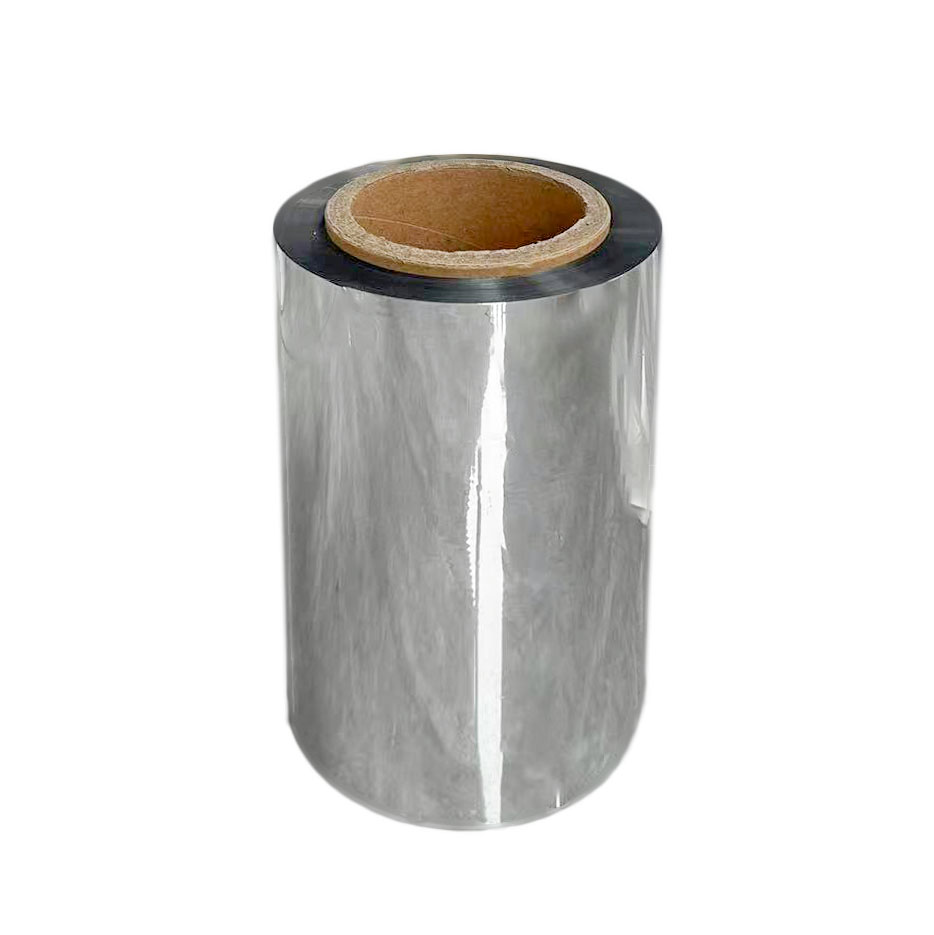
Applying metallic effects across diverse materials requires careful foil selection. Different substrates naturally require entirely different foil formulations. You must prevent absorption issues or complete adhesion failures before commercial production begins.
Synthetic materials dominate the cosmetics and fast-moving consumer goods markets. BOPP, PE, and PET films present unique challenges. They are entirely non-porous. Adhesives sit strictly on top of the film surface. You need formulations designed for zero absorption.
Web tension presents the biggest operational hurdle here. Thin polyethylene films stretch easily under pressure. As the web elongates, the metallic layer can crack. Edge-flaking often occurs around intricate designs. When producing label cold foil products on these films, compare how different foils handle aggressive web tension. Some carriers flex slightly, while others remain rigid. Monitor your nip roller pressure closely. Too much force distorts the film permanently.
Paper behaves completely differently than synthetic films. Paper fibers naturally absorb liquids. Wine and spirits labels rely heavily on textured, uncoated papers. You must evaluate how quickly the paper absorbs the liquid adhesive.
If the paper drinks the adhesive instantly, nothing remains on the surface. The foil has nothing to grab. This results in patchy, incomplete transfers. Coated papers block most absorption, acting more like synthetic films. Uncoated papers demand high-viscosity adhesives. They require a larger anilox volume to lay down a thicker adhesive bed. You should run extensive trials when shifting from coated to uncoated stocks.
Technical specifications directly impact your production margins. Speed dictates profitability. You must compare the maximum rated transfer speed of every foil. Some budget materials top out at 80 meters per minute. High-performance options easily hit 150 meters per minute.
Slowing your press down destroys your daily yield. It inflates labor costs per label. The cheaper roll ultimately costs you far more in lost capacity. Always evaluate the financial outcome of machine hours versus material savings.
Next, evaluate the PET carrier thickness. Standard carriers measure around 12µm. Some aggressive tension systems snap 12µm carriers constantly. Web breaks shut down your press instantly. They create massive material waste and force operators to re-thread the entire machine. Upgrading to a 15µm carrier costs slightly more upfront. However, it eliminates web breaks and stabilizes production. You must also check for slitting dust. Cheap foils shed metallic dust along the edges. This dust contaminates your nip rollers and ruins printing plates further down the line.
Mitigating production risk happens long before you sign a supplier contract. Do not sign a long-term agreement based on a static proof. Static tests remove all operational variables. They guarantee absolutely nothing about inline performance.
Always demand commercial-length sample rolls. A 1,000-meter roll provides enough material for a proper ramp-up test. Start the press slowly. Gradually increase speed until you hit commercial targets. Watch for edge flaking or pinholing at high speeds. Short samples only prove the foil works at a crawl.
Assess the vendor's technical support structure. A reliable partner helps troubleshoot inline problems instantly. They should know the exact shore hardness required for your nip roller. They should recommend specific UV lamp wattages for their products. They must speak the language of flexo operators.
Finally, verify all compliance documents and supply chain traceability. Premium packaging often requires strict regulatory adherence. You must secure documented proof of REACH and RoHS compliance. If you print food or pharma labels, demand FDA indirect food contact certificates. Verbal assurances hold no legal weight during an audit.
| Verification Metric | Standard Practice | Expert Practice |
|---|---|---|
| Sample Testing | Requesting A4 sheet proofs. | Running 1,000m rolls at full press speed. |
| Technical Support | Basic spec sheet provided. | Nip durometer and UV wattage specified. |
| Compliance Tracking | Verbal safety assurances. | Documented REACH and FDA certificates. |
The cheapest roll on the market is rarely the most cost-effective solution. When you factor in press downtime, severe adhesive mismatches, and excess substrate waste, budget materials often destroy profit margins. Evaluating foils rigorously protects your production schedule. It guarantees a premium finish and keeps your presses running at maximum capacity.
Your next operational step is clear. Compile your specific press specifications immediately. Document your maximum running speed, your exact UV curing system type, and your primary substrate list. Present this data to your shortlisted vendors. Request targeted product recommendations and secure commercial-length trial rolls to validate performance directly on your own equipment.
A: Hot foil requires heated rotary or flatbed dies and heavy mechanical pressure. This process involves expensive tooling and lengthy setup times. Conversely, flexo cold foil operates inline using a standard printing deck. It relies on UV adhesive and a simple nip roller. This approach eliminates custom tooling costs and allows for significantly higher production speeds.
A: Edge flaking usually stems from an operational mismatch. It often occurs when the foil's release profile does not align with the UV adhesive strength. Insufficient UV curing power also causes this issue, as the adhesive remains too wet to grip the metallic layer. Additionally, incorrect web tension at the stripping angle can physically crack the foil edges.
A: Yes, you can overprint these materials to create brilliant metallic colors. However, this requires selecting a foil with an explicitly overprintable topcoat. The foil surface must possess a specific dyne level to anchor the ink. Always verify overprintability in the product data sheets before purchase to ensure proper ink adhesion without scratching.


