
close
Choose Your Site
Global
Social Media

Views: 0 Author: Site Editor Publish Time: 2026-06-19 Origin: Site


Inline cold foiling has dramatically transformed premium label manufacturing over the past decade. Modern converters easily apply brilliant metallic effects at full press speeds. They completely skip the heavy tooling expenses and setup delays common to traditional hot stamping. However, achieving a flawless, high-end finish relies on more than just the metallic material itself. It depends heavily on the exact delivery system you deploy on the press line.
Choosing between offset and flexographic printing processes for applying the foil adhesive fundamentally alters your production math. This single decision affects prepress budgets, substrate compatibility, and final image resolution. A mismatch here often leads to flaking foil, poor edge definition, or wasted press time.
This guide provides a balanced, technical comparison of offset versus flexo methods for metallic application. We equip print buyers and packaging converters with precise technical evaluation criteria. You will gain the confidence to perfectly match your production realities directly against demanding brand expectations.
Flexo cold foil dominates long-run web label production and excels on a wide variety of synthetic substrates and films.
Offset cold foil provides unmatched edge definition, ultra-fine detail, and superior gradient transitions due to high-resolution litho plates.
The choice directly impacts prepress budgets: flexo requires more expensive photopolymer plates, while offset plates are faster and cheaper to produce for variable runs.
Both methods support over printable foil inline, but offset offers tighter registration for complex CMYK-over-foil layering.
Selecting the right method requires evaluating substrate dyne levels, required line screens, and total run lengths.
To understand the nuances of inline foiling, you must look closely at the mechanical transfer process. Operators print a UV-curable adhesive directly onto the label substrate. The machine then presses the foil web against this adhesive layer at a specialized nip point. High-intensity UV lamps immediately cure the adhesive through the foil's clear carrier film. Finally, a rewind mandrel strips the carrier away. The metallic layer remains permanently bonded only where the adhesive was printed.
This specific sequence highlights the true adhesive bottleneck. The final visual quality of cold foil labels depends one hundred percent on how precisely you print the adhesive. The printing plate dictates the foil's behavior. If the adhesive dot squashes, the metallic dot squashes. If the adhesive layer is too thin, the metallic finish looks mottled.
Print buyers often fixate on the traditional hot versus cold debate. We recommend shifting your focus entirely to the operational realities of how the adhesive transfers inline. The choice between offset and flexo adhesive application determines your true capabilities. It defines what substrates you can run profitably and what design details you can confidently reproduce.
Offset methodology uses flat lithographic plates to transfer the UV-curable adhesive. The press applies adhesive to the plate, transfers it to a rubber blanket, and then presses it onto the substrate. This indirect transfer process creates a highly controlled, incredibly thin adhesive profile.
Micro-Detailing: Offset systems handle incredibly fine lines and minuscule typography flawlessly. You can produce smooth metallic halftones and intricate filigree patterns without suffering from "dot gain" or adhesive squash.
Agile Prepress: Modern computer-to-plate (CTP) systems image aluminum offset plates in minutes. These plates remain highly inexpensive. This makes offset cold foil highly cost-effective for short-to-medium runs requiring frequent design changes.
Registration: Lithographic presses boast superior mechanical registration. This stability is perfect for applying over printable foil, followed immediately by precise CMYK ink layers to create infinite metallic color variations.
The primary drawback of the offset method stems from its greatest strength: the thin adhesive layer. Because offset transfers minimal adhesive volume, you must print on highly smooth, coated paper stocks. The process struggles significantly on textured wine papers, porous materials, or certain low-surface-energy synthetic films. Rough surfaces absorb the thin adhesive before it cures. This absorption leaves nothing for the metallic layer to grab, resulting in severe flaking or patchy transfer.
Flexography uses flexible, raised photopolymer plates. These plates physically press a thicker layer of UV adhesive directly onto the passing web. The direct contact and raised image area allow converters to lay down a much heavier volume of adhesive compared to lithography.
Substrate Dominance: The thicker adhesive laydown allows flexo cold foil to perform exceptionally well across difficult materials. It eagerly grips uneven surfaces, rougher uncoated papers, shrink sleeves, and standard BOPP/PET films.
High-Speed Volume: Press manufacturers build flexo units for aggressive web speeds. Flexo represents the highest production choice for massive, continuous label runs typical in the beverage and fast-moving consumer goods (FMCG) sectors.
Robust Opacity: The heavy adhesive volume proves excellent for printing large, solid metallic coverage areas. You rarely encounter pinholing or weak spots in bold brand blocking blocks.
Flexo demands a higher initial prepress investment. Manufacturing thick photopolymer plates requires specialized washout equipment and longer processing times. Additionally, the physical pressure of the raised plate against the substrate introduces the risk of "halo" effects. When printing very fine reversing lines or intricate metallic halftone screens, the thick adhesive often spreads outward under pressure, blurring ultra-fine details.
Choosing between offset and flexo requires an objective evaluation of your specific operational metrics. You must balance run volume against required visual fidelity.
You can easily calculate the break-even point between these two methods by comparing plate manufacturing against web speed. Offset plates cost pennies compared to flexo photopolymer plates. If you process dozens of variable SKU changes per day, offset saves significant prepress money. Conversely, flexo presses generally run faster over long distances. If you print one million identical labels, the raw web speed of flexo easily absorbs the higher initial plate cost.
Substrate compatibility remains a hard physical limit for adhesive application. Review the compatibility matrix below to match your substrate against the ideal application method.
Substrate Type | Offset Suitability | Flexo Suitability | Key Consideration |
|---|---|---|---|
Smooth Coated Paper | Excellent | Excellent | Offset favored for high detail. |
Textured / Uncoated Paper | Poor | Good to Excellent | Flexo adhesive volume fills surface gaps. |
Standard BOPP / PET Films | Fair (Requires Primer) | Excellent | Flexo grips non-porous films aggressively. |
Shrink Sleeves (PVC/PETG) | Poor | Excellent | Flexo UV curing generates less web distortion. |
Analyze the brand design carefully. If the artwork features tiny serif fonts, subtle metallic gradients, or extremely tight registration tolerances, the design strictly demands offset. If the artwork features massive metallic background shields, thick geometric lines, and bold brand blocking, flexo provides the robust coverage necessary to prevent pinholing.
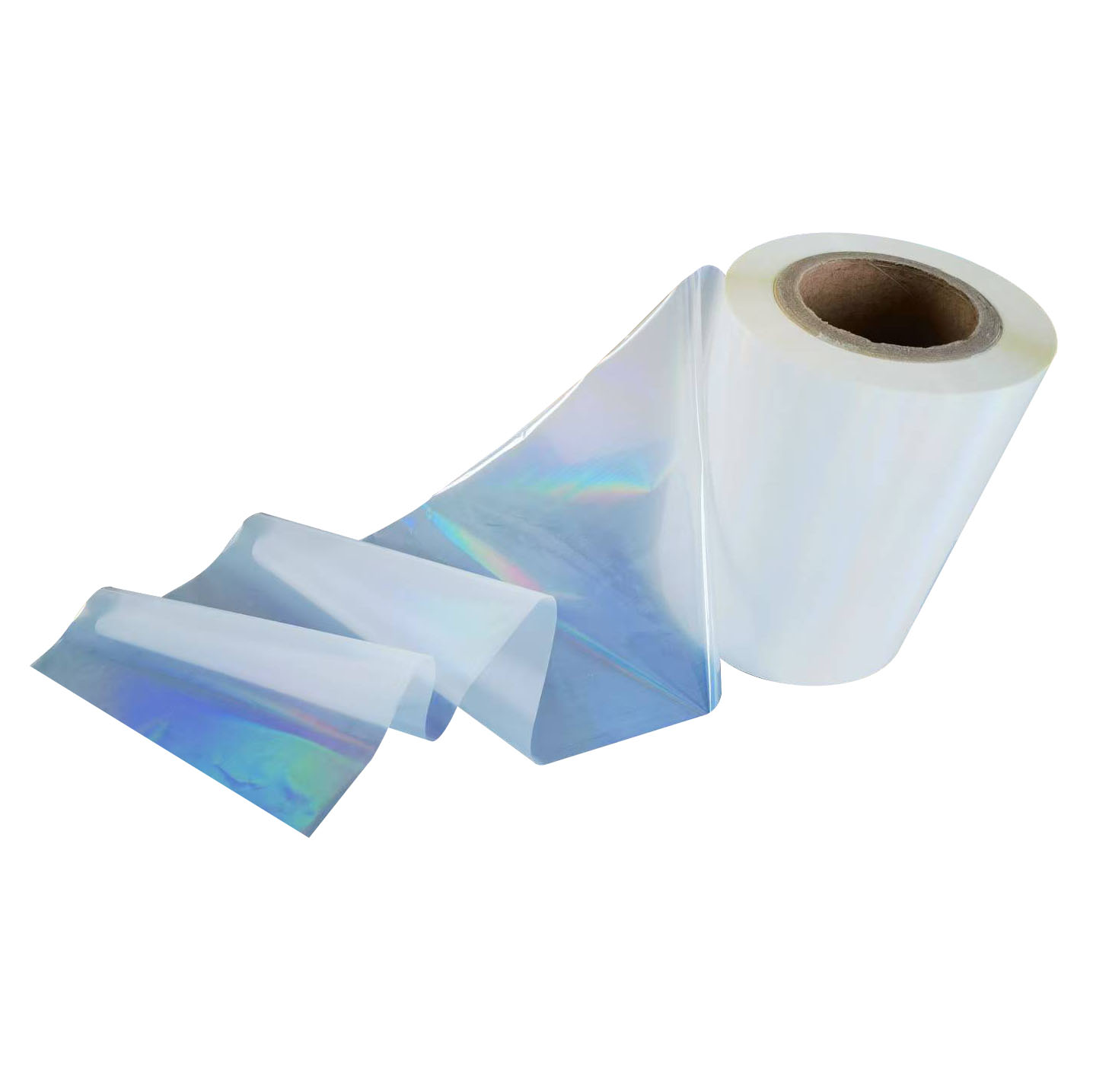
Both processes handle standard silver and gold materials effectively. However, complex security or premium decorative projects often utilize holographic cold foil. Applying seamless holographic patterns requires precision web-handling modules. Offset generally excels at holding the tight indexing required to align a holographic "shim line" precisely with the printed graphics. Flexo can achieve this, but operators must tightly monitor web tension to avoid registration drift at high speeds.
Even the best prepress strategy fails if press operators ignore fundamental physical forces. Implementing metallic inline applications requires strict adherence to technical best practices.
Surface Tension & Dyne Levels: You must ensure proper substrate surface energy to guarantee adhesive anchorage. Synthetic films require a minimum of 38 to 42 dynes. We strongly recommend installing inline corona treaters or applying a dedicated primer station. Low dyne levels cause the cured foil to scrape off easily during downstream finishing.
Web Tension & Foil Flaking: Managing the unwind and rewind tension of the foil carrier remains a critical mechanical reality. If tension is too loose, the carrier wrinkles before the nip point, creating diagonal voids. If tension is too high, you risk snapping the delicate PET carrier. Consistent tension prevents partial transfer.
UV Curing Requirements: Curing adhesive through a solid metallic layer demands high-intensity UV energy. The metallic surface naturally reflects some UV rays. You must configure specific UV or LED lamp wattages to penetrate the carrier fully. Because flexo deposits a thicker adhesive layer, it demands even tighter curing controls to ensure the bottom of the adhesive layer crosslinks completely.
Operator Expertise: Acknowledge the steep learning curve. Managing the exact pressure at the adhesive-to-foil nip point requires skilled operators. Too much nip pressure squashes the adhesive out of bounds; too little pressure leaves microscopic air bubbles that ruin the metallic shine.
Matching the technology to your supply chain prevents costly production bottlenecks. Review this summary chart to finalize your technical direction.
Chart: Offset vs Flexo Selection Logic | ||
Decision Driver | Choose Offset | Choose Flexo |
|---|---|---|
SKU Turnover | High frequency, short runs | Low frequency, massive volume |
Artwork Style | Fine typography, gradients | Bold solids, thick lines |
Substrate Profile | Smooth, coated papers | Textured, porous, films |
Choose Offset If: You process frequent daily SKU changes and face tight prepress budgets. You require ultra-fine metallic typography or utilize heavy CMYK overprinting to formulate custom metallic colors. Your pressroom runs primarily smooth, premium coated paper stocks.
Choose Flexo If: You run high-volume consumer goods labels across long continuous shifts. Your brand clients demand bold, highly opaque metallic solids. You rely heavily on synthetic BOPP films or shrink sleeves and absolutely require maximum press speeds to remain competitive.
Next Steps: We highly recommend running standardized test files before committing to a full production run. Create a file containing solid blocks, 1-point reversing lines, 4-point serif text, and a 5% to 50% halftone gradient. Run this test profile using your chosen cold foil for labels material directly on the converter's specific press. The results will immediately validate your chosen application method.
There is no universal "better" option when selecting inline application technology. There is only the right engineering match for your specific label design and chosen substrate. Offset delivers unmatched precision and agility for complex visual designs on smooth surfaces. Flexo delivers raw power, speed, and dominant adhesive capabilities on challenging synthetic films.
Successful execution always hinges on aligning your prepress strategy, your mechanical press capabilities, and your visual expectations from day one. Evaluate your typical run lengths, test your substrate dyne levels rigorously, and empower your press operators to manage web tension effectively. By applying these technical criteria, you ensure consistently brilliant, highly profitable metallic label production.
A: Yes. Both methods can apply holographic materials effectively. However, managing the "shim line" or maintaining registered holographic patterns requires specialized inline indexing modules. These precision modules are readily available for both web-flexo and sheetfed/web-offset presses.
A: Offset typically yields tighter mechanical registration and superior ink holdout for highly detailed CMYK overprinting. However, modern UV flexo remains highly capable for standard overprint applications, provided your prepress department accurately compensates for anticipated dot gain.
A: Cost and plate material represent the biggest differences. Flexo relies on relatively expensive, thicker photopolymer plates requiring longer washout times. Offset utilizes highly inexpensive, rapidly imaged aluminum litho plates, which significantly lowers the financial barrier for variable short runs.


