
close
Choose Your Site
Global
Social Media

Views: 0 Author: Site Editor Publish Time: 2026-07-09 Origin: Site


Premiumizing a product often comes down to tactile and visual cues. Choosing the wrong metallic finish can inflate production costs and jeopardize sustainability goals. You must understand the materials you specify. We define paper foil as a broad industry term encompassing both foil-laminated substrates and the decorative transfer of metallic layers onto paperboard. Buyers frequently confuse these distinct categories. This confusion leads to inaccurate supplier briefs. It also causes major budget overruns. This article provides procurement and brand managers a transparent framework. You will learn to evaluate foil technologies effectively. We will show you how to balance aesthetic goals against functional barrier needs. You will discover exactly how to specify the right material for high-end packaging. Expect practical insights into production economics and environmental compliance. You need reliable data to make confident packaging decisions.
Material Distinction: "Paper foil" refers to either structural foil-laminated boards (for barriers) or decorative paper stamping foil (for localized branding).
Production Economics: Tooling costs and volume dictate the choice between hot stamping foil for paper (ideal for premium, short-to-medium runs) and cold foil (better for high-speed, large-volume runs).
Functional vs. Aesthetic: While cosmetic brands use foil strictly for shelf appeal, food packaging (like chocolate) relies on packaging foil for moisture and oxygen barriers.
Sustainability Reality: Modern foil applications can be highly recyclable, provided the metallic layer is microscopic and passes standard repulpability testing.
Buyers frequently confuse fully metalized substrates with localized foil stamping. This fundamental error leads to inaccurate supplier briefs. It ruins production timelines. It causes budget overruns. You need to distinguish between structural materials and decorative applications. Understanding this difference ensures you select the correct material for your specific project.
Foil-laminated paperboard acts as a structural foundation. It bonds a continuous layer of aluminum or metallized PET directly to the paperboard. Manufacturers create this substrate before any printing occurs. You use this material to achieve full-coverage metallic effects. It provides heavy-duty barrier protection. Brands use it for direct food contact applications. It also serves as the base for rigid setup boxes.
You must evaluate this material based on specific physical metrics. Assess the GSM (grams per square meter). Evaluate the caliper thickness carefully. A higher caliper offers better rigidity for luxury boxes. A lower caliper suits flexible inner wraps. Do not compromise on these measurements. Incorrect GSM leads to structural failure on retail shelves.
Decorative stamping relies on a completely different technology. A dry, multi-layer film transfers onto specific areas of a printed sheet. You use this method for logos and typography. It renders intricate details flawlessly. You see this frequently as greeting card foil or on cosmetic cartons.
You must understand the material reality of paper stamping foil. A carrier film transports the metal. This film is usually made of PET. The machine discards this PET carrier during production. Only a microscopic metal layer remains on your paper. This ultra-thin transfer provides a premium look without adding structural bulk. It allows the natural texture of the paper to frame the metallic details.
Table 1: Structural vs. Decorative Foil Comparison | ||
Feature | Foil-Laminated Paperboard | Paper Stamping Foil |
|---|---|---|
Primary Function | Full-surface barrier and structure | Localized visual enhancement |
Application Timing | Before printing (mill level) | After or during printing (press level) |
Material Residue | Solid continuous layer remains | Microscopic layer remains (PET discarded) |
Common Use Case | Rigid boxes, food contact wraps | Logos, fine typography, accents |
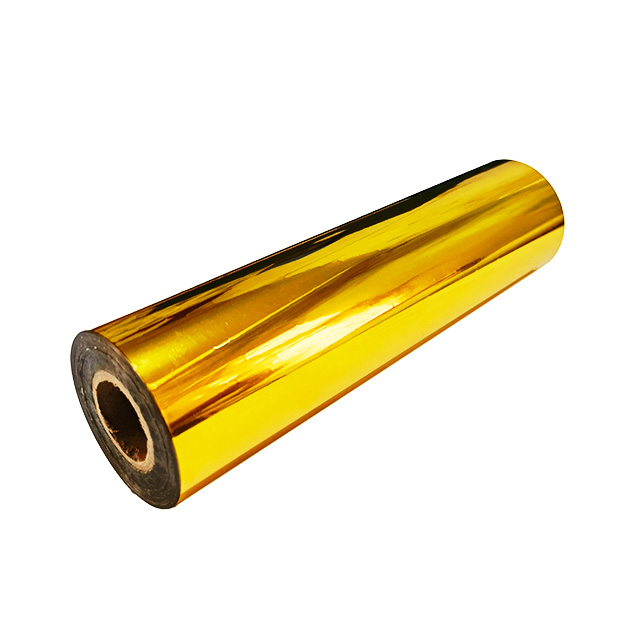
You must break down the two primary application methods for decorative foiling. Scalability and tooling requirements drive this decision. Choosing the wrong method ruins profit margins. We will evaluate hot stamping and cold foiling side by side.
This process relies on three critical elements. It uses heat, pressure, and custom metal dies. Operators mount brass or magnesium dies onto a specialized press. The heated die presses the foil against the substrate. This action activates the sizing adhesive. The foil bonds permanently to the paper.
The visual and tactile outcome is unique. It provides a slight, luxurious deboss into the paper surface. This method is best for highly reflective finishes. Think of classic gold foil paper aesthetics. The mirror-like finish remains unmatched by other printing techniques. Consumers instinctively associate this debossed texture with luxury goods.
You face specific risk factors here. You must account for higher upfront tooling costs. Metal dies require time to engrave. Press speeds run much slower than standard offset printing. Therefore, hot stamping foil for paper is ideal for high-margin SKUs. Use it for lower-volume production runs where tactile quality dominates the requirement.
Best for: Short to medium production runs.
Tactile feel: Distinct debossed indentation.
Substrate flexibility: Works well on uncoated and textured papers.
Tooling: Requires custom brass or magnesium dies.
Cold foiling operates on a fundamentally different mechanism. It does not use heated dies. Instead, the press prints a UV-curable adhesive using standard offset plates. The foil web passes over the adhesive. UV lamps cure the adhesive instantly. The foil traps onto the glued areas. You can then apply CMYK inks directly over the foil.
The visual and tactile outcome is completely flat. There is no deboss effect. However, overprinting allows for infinite metallic color gradients. You can create photorealistic metallic imagery. This offers massive creative freedom for designers.
The risk and economic factors differ greatly from hot stamping. You enjoy negligible tooling costs. You only need standard printing plates. The press runs at standard production speeds. However, this process requires smooth, coated paper stocks. Porous or uncoated papers absorb the adhesive too quickly. This absorption causes the foil transfer to fail completely.
Best for: Large-volume, high-speed runs.
Tactile feel: Completely smooth and flat.
Substrate flexibility: Strictly requires coated, smooth paper stocks.
Tooling: Uses standard offset printing plates.
Shelf appeal matters, but protection is paramount. You face a major business problem today. You must protect sensitive compounds from environmental degradation. Food, cosmetics, and pharmaceuticals degrade rapidly. At the same time, brands want to avoid relying entirely on heavy plastics. Functional foils bridge this gap perfectly.
You must evaluate functional foil across specific technical dimensions. Do not rely on visual inspection alone. Use standardized laboratory testing to verify performance.
Barrier Properties: You must assess the Moisture Vapor Transmission Rate (MVTR). You must also check the Oxygen Transmission Rate (OTR). Aluminum-laminated paper performs exceptionally well here. It blocks 100% of light. It stops moisture penetration entirely. It traps odors inside the package. This keeps products fresh.
Dead-Fold Characteristics: Traditional packaging foil holds its shape when folded. We call this "dead-fold." It does not spring back. This property is crucial for direct chocolate bar wrapping. Premium confectionery relies on dead-fold to maintain a tight, secure seal without adhesives.
Trade-offs: You must acknowledge the recycling complications. Fully laminated foils provide superior protection. However, they complicate the end-of-life recycling stream. Separating a solid aluminum sheet from paperboard requires specialized facilities. Standard coated boards recycle much easier. You must balance product shelf-life against end-of-life environmental impact.
Failing to measure OTR and MVTR leads to spoiled products. A premium carton means nothing if the chocolate inside blooms due to moisture exposure. Always request technical data sheets from your material supplier.
You must address the growing skepticism around metallic packaging. Consumers frequently question its recyclability. Avoid greenwashing at all costs. You need to state the chemical and mechanical realities clearly. Trust requires transparency.
Industry standards govern recyclability claims. You should rely on the PTS (Papiertechnische Stiftung) testing framework. This standard evaluates how easily a material breaks down in standard pulping machines. Stamped paper performs very well here. The metal layer applied during decorative stamping is microscopic. It measures less than 3 microns thick. Standard paper recycling streams widely accept this material. The ultra-thin aluminum oxidizes or separates harmlessly during the repulping phase.
Brands face strict Extended Producer Responsibility (EPR) taxes globally. Transfer metallizing offers a compliant alternative to traditional foil lamination. In this process, a machine deposits metal onto the paper. It then peels the plastic carrier film away entirely. No plastic film is left on the board. This creates a brilliant metallic surface that remains completely plastic-free. It helps brands navigate harsh regulatory landscapes.
Theoretical repulpability does not guarantee local recycling success. You must note the realities of local Material Recovery Facilities (MRFs). Heavily foiled sheets trigger optical sorting scanners. Scanners misidentify highly reflective surfaces as plastic. If foil covers more than 30% of the surface area, the MRF might eject it into the landfill pile. You should design packaging with this limitation in mind. Keep foil coverage moderate to ensure mechanical recycling success.
Transitioning from material selection to flawless execution requires rigorous communication. Shortlisting logic must center on technical capability. You need specific next steps to avoid production disasters. Outline clear parameters in your supplier briefs.
Matching foil to paper is a strict science. You cannot apply any foil to any paper. Uncoated or heavily textured papers require specialized hot stamping foils. These foils feature an aggressive sizing layer. This thick adhesive fills the microscopic valleys in textured paper. Conversely, cold foil will fail completely on highly porous stocks. The paper absorbs the UV adhesive before curing happens. Always confirm substrate compatibility before approving a design.
Warn your design team against micro-typography. Do not design tiny fonts with foil. Specify the minimum line weight clearly in your brief. Usually, 0.2mm to 0.5mm is the absolute minimum, depending on the press. Pushing past this limit causes "fill-in." Closed letters like 'A' and 'e' become solid metallic blobs. Thin lines may also suffer from flaking. Set strict design rules early.
Foil must adhere perfectly to surrounding inks and coatings. Explain the necessity of testing foil adhesion. Surface tension matters. You must measure this in dynes. Require tape-test validation from the supplier. They must press standard testing tape onto the foil and rip it off rapidly. If the foil flakes off, the surface tension is wrong. Foil over soft-touch laminates or aqueous coatings often requires special adhesive formulations.
Chart 1: Quick Troubleshooting Guide for Foil Implementation | ||
Defect Type | Probable Cause | Actionable Solution |
|---|---|---|
Flaking / Poor Adhesion | Incompatible surface coatings; low dyne level. | Request tape-test validation; adjust UV coatings. |
Fill-in on Typography | Line weight too thin; excessive heat/pressure. | Enforce 0.2mm - 0.5mm minimum line weights. |
Dull or Milky Finish | Adhesive absorption into porous paper. | Switch to aggressive sizing or use coated stock. |
Paper foil is not a monolithic product. It represents a broad spectrum of structural barriers and decorative techniques. Treating all metallic finishes as equal leads to costly production errors and missed sustainability targets. You must select your materials with precision. Understand the difference between full laminates and localized stamping.
Base your final decision on three core factors. First, evaluate your run size. Compare high tooling costs against press speed efficiencies. Second, determine the required tactile experience. Choose between the luxurious deboss of a hot die or the smooth gradient of a cold press. Third, analyze your local recycling mandates. Keep metallic coverage below optical scanner thresholds to ensure true repulpability.
Take action before finalizing your next design. Request a comprehensive material sample kit from your supplier. Consult with a packaging engineer immediately. Conduct rigorous compatibility testing on your specific artwork, substrates, and coatings. Proactive testing prevents expensive reprinting and secures your brand's premium reputation.
A: Hot and cold stamped paper generally is recyclable. The metal layer is microscopic and passes standard repulpability tests. However, foil-laminated paperboard contains a solid, continuous metallic film. This structural material often requires specialized recycling facilities to separate the layers effectively.
A: Metallic ink contains tiny metal flakes suspended in a liquid carrier. When printed, it results in a duller, less reflective finish. Foil provides a continuous, mirror-like solid metal layer. This creates a much brighter, highly reflective surface that ink cannot replicate.
A: Yes. You can achieve this primarily through inline cold foiling. You can also use specialized UV-curable inks to print directly over hot stamped foil. The industry refers to this technique as overprinting. It requires precise surface tension matching to prevent ink flaking.


