
close
Choose Your Site
Global
Social Media

Views: 0 Author: Site Editor Publish Time: 2026-08-15 Origin: Site


Upgrading to digital embellishment removes the need for traditional dies. This advancement streamlines production and enables variable data printing. Printers embrace this technology to meet growing client demands for customized finishes. However, it introduces complex consumable sensitivities. Operators frequently misjudge how different foils react to distinct curing mechanisms.
Using the wrong foil formulation leads directly to poor adhesion, micro-flaking, web breaks, and excessive machine downtime. These issues compromise structural integrity and erode your print margins. You will struggle to maintain delivery schedules. Substrate waste quickly eats into job profitability, turning a promising project into a financial loss.
This article offers a structured framework for evaluating physical foil properties against specific digital equipment architectures. We explore the differences between UV polymer and toner-based systems. You will learn how to identify the correct material specifications. Following these steps ensures optimal yield and consistent quality across your finishing department.
Compatibility dictates yield: Not all digital foils work across varying printhead technologies; matching the foil’s release layer to your machine’s curing method is non-negotiable.
Specs matter beyond color: Precise foil roll specifications (core size, tension tolerance, width) prevent mechanical feeding errors.
Throughput requires specialized chemistry: High-speed production demands foils engineered for rapid release without compromising edge definition.
Standardized testing is mandatory: Surface tension (dyne levels) of substrates and laminates fundamentally alters foil adhesion, requiring strict proofing protocols before full production runs.
Incompatible foil directly drains your operational budget. When you load a mismatched roll onto a high-value digital press, you risk immediate substrate waste. Digitally printed sheets carry high per-click costs. Scrapping these sheets during the embellishment phase multiplies your financial losses. Machine jams also pause production schedules. You then face rejected client batches, missed deadlines, and damaged brand reputation. These direct expenses quickly outpace the initial savings from buying cheaper, unverified foil.
Operators frequently encounter three specific failure modes when foil chemistry clashes with machine mechanics. You must train your team to identify these issues immediately:
Pinholing: This occurs when foil transfers inconsistently. It leaves tiny, unfoiled spots across the design. Poor polymer adhesion or insufficient heat transfer usually causes this defect.
Edge bleeding: Foil sometimes adheres beyond the intended graphic boundaries. It spreads into blank substrate areas. Excessively thick release layers or over-cured polymer drops typically trigger this spreading.
Dusting: Flakes of foil detach from the carrier film prematurely. This residue builds up inside the machine. It blinds optical sensors and clogs feed rollers, forcing unexpected maintenance shutdowns.
You can define a successful equipment match through strict success criteria. A perfect match delivers clean release at your machine's maximum rated speed. It maintains zero registration shift across thousands of impressions. Finally, it ensures reliable cross-batch consistency. You should see the exact same foil brilliance and edge sharpness on day one as you do on day thirty.
Evaluating your specific equipment architecture is the first step toward perfect embellishment. Your press applies foil using highly distinct adhesion technologies. You must understand how your machine binds the metallic layer to the substrate. Establishing precise digital foil machine compatibility prevents systemic production failures.
Toner-sleeking systems operate differently than UV-curable polymer drop systems. Sleeking requires heat to re-melt digital toner. The foil fuses directly to this melted toner. In contrast, UV systems like MGI or Scodix jet a clear liquid polymer onto the sheet. UV lamps partially cure this polymer to create a tacky surface. The foil then passes over this tacky varnish. You cannot swap foils between these two systems. Toner foil requires a heat-activated adhesion layer. UV foil relies on pressure-sensitive or UV-reactive bonding layers.
You must also match the foil’s heat sensitivity to your curing hardware. Thermal machines use heated rollers. They demand foils formulated for specific dwell times and exact temperature ranges. UV curing machines expose the web to intense ultraviolet light. If the foil’s metallic coating blocks too much UV energy, the underlying polymer remains wet. This causes immediate smudging.
Finally, evaluate your equipment's web handling system. Web handling dictates how the machine manages tension. Strong tension requires high tensile strength in the foil carrier film. Weak carrier films snap under rapid acceleration. Robust web handling lets you run faster, but only if the foil can withstand the pulling force.
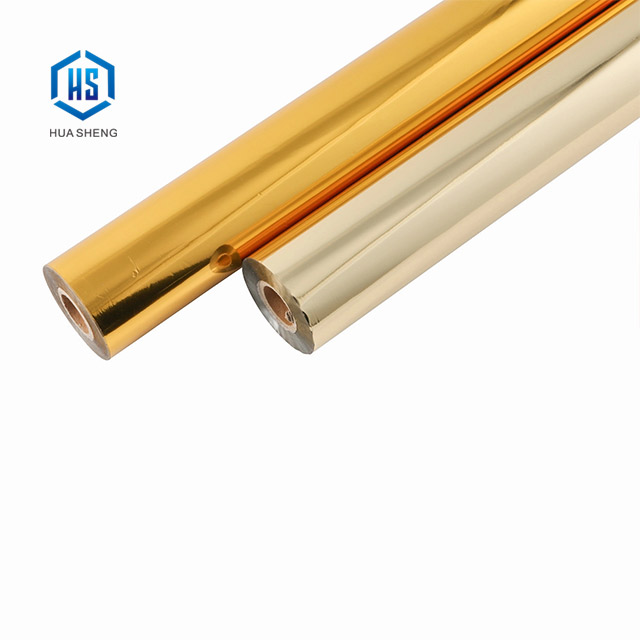
You must define exact dimensions before ordering any consumable. A seemingly minor dimensional error completely halts production. Getting the foil roll specification right minimizes waste and prevents feeding jams.
Dimensional accuracy directly impacts sensor performance. Modern digital presses use optical sensors to track web edges. If a roll width fluctuates, sensors trigger false error codes. Furthermore, excess width wastes expensive material. Too narrow a width causes the image to drop off the edge. You must match the roll length to your machine's weight limits. Overweight rolls strain unwind motors and cause tension spikes.
Core diameter constraints represent another critical checkpoint. Industry standard cores measure either 1-inch or 3-inch in diameter. You must match this exactly to your unwind shafts. Placing a 3-inch core on a mismatched mandrel requires risky adapters. Poorly fitted cores slip during rapid acceleration. This slippage drops web tension instantly, causing the foil to wrinkle or tear.
Carrier thickness plays a vital role in both heat transfer and tension limits. Manufacturers use PET (polyethylene terephthalate) film as the carrier base. Typical thicknesses range from 12 to 23 microns. Consider the following thickness impacts:
12-micron carriers: These transfer heat rapidly. They work well for fast toner-sleeking machines. However, they snap easily under high mechanical tension.
16-micron carriers: This represents the industry middle ground. They balance decent heat transfer with moderate tensile strength.
23-micron carriers: These provide maximum durability. UV polymer machines often use them because heat transfer is less critical. They resist stretching on wide-web presses.
High-speed production fundamentally changes the physics of foil transfer. Standard foils perform beautifully at low speeds. However, they fail catastrophically at high RPMs or high Impressions Per Hour (IPH). You need high-speed stamping foil designed with easy-release formulations to maintain throughput.
Speed drastically alters release dynamics. The foil must cleanly separate from its PET carrier in a fraction of a second. If the release layer holds too tightly, the foil pulls the substrate upward. This tears the paper or breaks the web. Easy-release chemistry weakens the bond between the metallic layer and the carrier exactly at the moment of pressure.
Faster equipment also shortens the curing window. Dwell time refers to the milliseconds the foil touches the heated roller or tacky polymer. High speeds reduce this dwell time. Consequently, you need foils with highly reactive adhesion layers. They must activate instantly upon contact. Sluggish adhesion layers result in broken lines and missing graphics.
Production managers face a significant scalability risk during testing. A foil might perform flawlessly during proofing runs at 500 sheets per hour. But at full production speeds of 3000 sheets per hour, the thermal calibration shifts. The machine rollers cool down slightly from rapid substrate contact. If your foil lacks a wide operating window, it will fail at full scale.
Production Speed Level | Dwell Time | Required Release Property | Primary Risk Factor |
|---|---|---|---|
Proofing (Low RPM) | High (>0.5 sec) | Standard Release | Over-curing or bleeding |
Mid-Volume Production | Medium | Moderate Easy-Release | Inconsistent edge sharpness |
High-Speed Full Production | Low (<0.1 sec) | Ultra Easy-Release | Web snapping or pinholing |
Substrate characteristics affect embellishment success just as much as machine settings do. The interaction between the paper surface and your digital printing foil determines final adhesion strength. You cannot ignore surface chemistry.
Surface tension, measured in dyne levels, plays a critical role. Dyne levels quantify surface energy. A higher number means liquids spread out and adhere better. A 40-dyne surface provides excellent adhesion for most foils. Conversely, heavily plasticized soft-touch laminates have very low surface energy. Foil struggles to bite into these slippery surfaces. It rubs off easily under light pressure. You should measure substrates with dyne pens before production begins.
Varnish and primer dependencies complicate the workflow. Many digital embellishment machines require a pre-treatment primer. Primers artificially raise the surface energy of difficult substrates. They create a receptive chemical bed. You must evaluate whether your specific foil bonds better to raw paper, aqueous coating, or specialized UV primers. Skipping a required primer leads to massive flaking issues.
Finally, assess the overprint factor. Some creative workflows require CMYK printing directly over the applied foil. This creates metallic colors. If your workflow requires this, the foil surface must accept liquid inks or toners. Standard foils repel inks, causing the overprinted image to bead up and smear. You must source printable foil grades specifically engineered with a receptive topcoat.
Finding a reliable supplier requires rigorous vetting. You cannot rely on marketing brochures alone. Sourcing the right digital stamping foil demands an engineering-led approach to procurement.
Start by requesting Technical Data Sheets (TDS) from potential manufacturers. Review these documents carefully. Look for immediate red flags. A lack of specific speed ratings indicates an untested product. Vague compatibility claims, such as "works with all digital presses," show a lack of technical understanding. A credible TDS lists exact carrier thicknesses, optimal temperature ranges, and compatible polymer types.
Once you shortlist suppliers, conduct a standardized A/B test run. Never test using live client files. Instead, create a dedicated baseline file. This file must feature extremely fine lines, heavy solid blocks, and halftone gradients. Run this file using your current foil alongside the new sample. Keep all machine settings identical. Compare the output under magnification to evaluate edge definition and pinholing.
After a successful baseline test, establish a pilot run protocol. Do not commit to pallet-level procurement yet. Purchase two or three rolls. Run them across different shifts, diverse substrates, and varying speeds. This uncovers latent issues like roll tension inconsistencies or core slippage. Only approve bulk orders after the pilot run succeeds.
Matching your consumables to your specific press is a critical engineering decision. It extends far beyond basic procurement tasks. You must align your machine technology, roll specifications, and substrate surface profiles to achieve flawless results. Taking shortcuts during the evaluation phase guarantees operational friction and wasted materials.
We highly recommend standardizing your testing protocols immediately. Implement dyne level checks for all incoming substrates. Document the specific heat and tension parameters that yield the best results for your preferred carrier thickness. This data-driven approach removes guesswork from the production floor.
Empower your production managers to seek expert technical consultations. Ask suppliers for targeted sample rolls engineered specifically for your press architecture. Testing these samples in your actual production environment secures your margins and elevates your final product quality.
A: No. Traditional hot foils lack the specific chemical adhesion layers required to bond with digital toners or UV polymers, leading to complete non-adhesion or severe flaking.
A: If the core size is slightly off or the carrier film is too thin for your machine's standard web tension settings, the roll will either slip on the mandrel or snap during high-speed acceleration.
A: This typically indicates a mismatch between the machine's UV curing intensity and the foil's release layer, or the polymer/toner droplet is spreading before the foil is applied.
A: Yes. Foils engineered for fast release often have highly sensitive chemical layers that can degrade if exposed to high humidity or extreme temperature fluctuations in the warehouse.


