
Views: 0 Author: Site Editor Publish Time: 2026-10-16 Origin: Site


Premium packaging needs more than attractive colors to stand out on crowded retail shelves. Foil printing adds metallic shine and texture that standard inks cannot match. However, choosing the wrong technique can increase costs and delay production. Learn how foil stamping works, compare hot and cold methods, and select the right finish for your budget and materials.
Tactile and Visual ROI: Foil printing provides unmatched opacity and a premium tactile feel, effectively communicating brand value in high-margin product categories.
Process Selection Dictates Cost: Hot foil stamping requires custom metal dies (higher setup cost, best for deep impressions), while cold foil applies inline (cost-effective for large, flat runs).
Material Compatibility Matters: Not all substrates accept foil equally; heavily textured or uncoated papers require specific foils and pressure testing.
Alternatives Exist: Depending on the specific business problem (budget, timeline, or environmental compliance), metallic inks or metalized substrates may offer a more viable solution than traditional stamping.
We define the core process simply. It uses heat, high pressure, metallic paper, and custom dies to create a highly reflective design on a target material. We skip the lengthy history of bookbinding to focus entirely on modern commercial realities. Brands actively choose this premium method because it directly impacts consumer psychology and brand positioning.
Print finishing is rarely just decorative. It serves specific business functions. The investment in metallic elements translates into measurable outcomes across retail environments.
Shelf Appeal: High reflectivity captures ambient lighting inside stores. This increases visual disruption on crowded shelves. Consumers naturally gravitate toward shimmering elements. A beautifully stamped folding carton commands attention much faster than flat, matte packaging.
Perceived Value: The tactile indentation cues quality immediately. Hot stamping pushes the material down, leaving a slight deboss. This physical texture supports higher price points. We see this often in luxury goods, high-end cosmetics, and premium beverage labels.
Counterfeit Deterrence: Custom holographic foils add rigorous brand security. Counterfeiters struggle heavily to replicate custom-tooled holographic designs. This protects your supply chain and maintains your brand integrity against cheap knock-offs.
You must acknowledge that these premium benefits come at a cost. Traditional stamping requires extended production timelines. Vendors need time to CNC-route or chemically etch the metal dies. Minimum order quantities (MOQs) usually increase because press setup takes hours, not minutes. You must balance the stunning visual ROI against your immediate timeline constraints and departmental budgets.
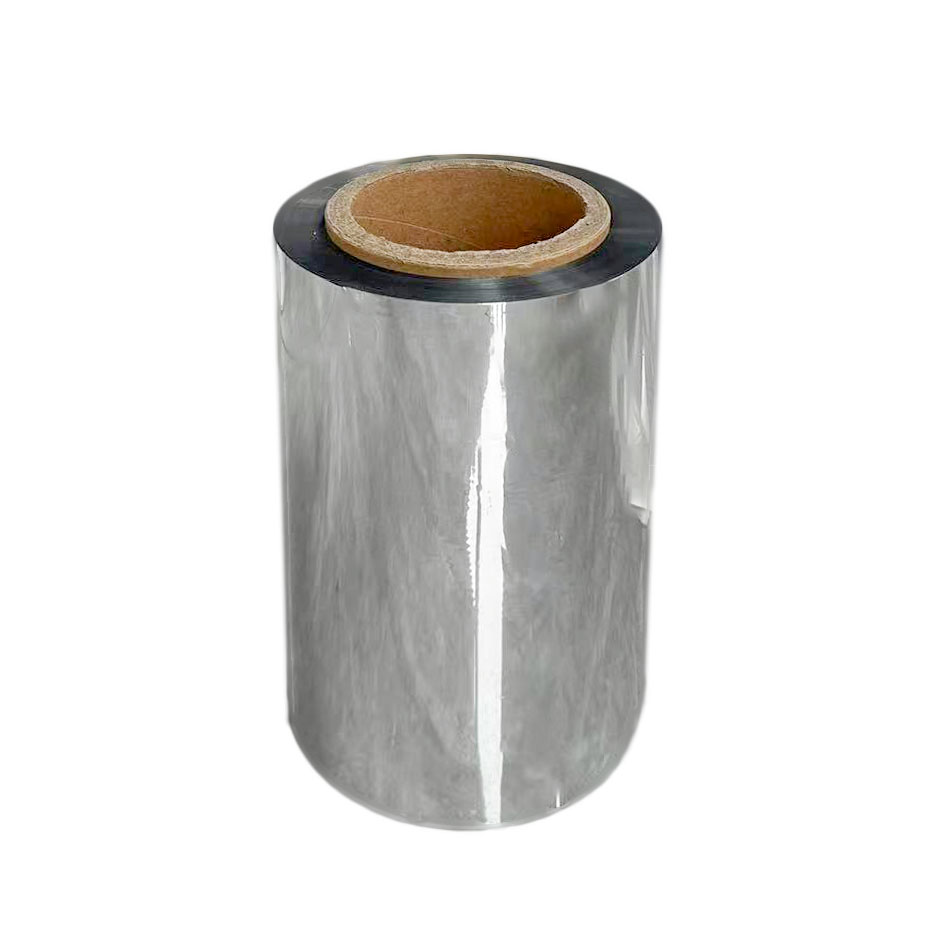
Hot and cold techniques serve entirely different operational needs. You must understand their specific mechanical properties to make smart procurement choices. Choosing the wrong method destroys your timeline and inflates production budgets unnecessarily.
This remains the industry standard for luxury applications. The machine uses intense heat and extreme pressure to transfer the metallic layer directly onto the paper.
Mechanism: It utilizes custom-engraved metal dies. Manufacturers typically mill these from brass, copper, or magnesium. The die heats up, presses the metallic film against the paper, and activates a thermal release coat to leave the design behind.
Pros: It delivers a deep, unmistakable tactile impression. It works beautifully on rough, uncoated, or highly textured substrates. You also get superior opacity because the solid film completely blocks out the underlying paper color.
Cons: You face high upfront tooling costs. Setup runs much slower because operators must manually align the dies and adjust machine pressure. It is rarely ideal for heat-sensitive materials like thin plastic films.
This modern alternative eliminates metal dies entirely. It runs smoothly alongside standard ink on modern printing presses.
Mechanism: It runs directly on the printing press. It uses a standard printing plate to apply a UV-curable adhesive to the paper. The metallic layer adheres only to this specific adhesive pattern. It runs inline alongside standard CMYK inks in one continuous pass.
Pros: This method is highly scalable for large commercial runs. You get much faster turnarounds since no custom metal dies are needed. It heavily allows for overprinting. You can print transparent CMYK inks directly over the silver base to create infinite metallic hues.
Cons: It completely lacks the tactile debossing of hot stamping. It usually requires very smooth, coated substrates for the absolute best results. Opacity drops slightly compared to hot techniques, sometimes allowing dark paper colors to subtly show through.
Table: Process Comparison - Hot vs. Cold Application
Feature | Hot Foil Stamping | Cold Foil Printing |
|---|---|---|
Tooling Required | Custom metal dies (Brass, Copper, Magnesium) | Standard printing plates |
Setup Time | Slower (Manual registration and heat adjustment) | Faster (Standard press registration) |
Tactile Feel | Distinct debossed texture | Completely flat surface |
Best Substrates | Uncoated, rough, heavily textured papers | Smooth, coated papers, gloss laminates |
Overprinting | Difficult (Resists standard inks) | Excellent (Designed for CMYK overprinting) |
You should choose hot stamping for short-to-medium luxury runs. It provides the heavy physical texture luxury buyers expect. Conversely, choose cold application for high-volume FMCG (Fast-Moving Consumer Goods) packaging. These massive runs require extreme press speed and often benefit from complex, multi-color metallic visual effects.
You must evaluate your finishing options carefully before locking in a design. We compare foil printing against its two closest industrial alternatives based on visual impact, unit cost, and manufacturing scalability.
Designers often confuse metallic inks with true stamped films. They behave very differently on press.
Reality: Ink vendors mix standard ink vehicles with fine metallic particles. The press applies it exactly like normal spot colors. The metal flakes float in the ink and settle as it dries.
Verdict: This remains the most cost-effective approach for adding subtle shine. It scales easily across any print volume. However, it completely lacks high reflectivity and tactile feel. The finish often looks flat, gray, or dull once the ink dries into the paper fibers. It works best for subtle branding, not high-impact retail disruption.
When you need the entire package to shine, stamping every square inch becomes wildly expensive. Metalized paper solves this.
Reality: You print directly onto a substrate entirely covered in a continuous metallic layer. You must use heavy layers of opaque white ink to block out the non-metallic areas. This creates negative space where the shine peeks through the white ink.
Verdict: Choose this specifically for designs requiring massive areas of metallic reflection. Sports supplement boxes, toothpaste cartons, and software packaging use this often. The base material cost runs high. However, you pay significantly lower finishing costs compared to stamping a massive surface area with metal dies.
Verdict: This remains the undisputed champion. It provides precise, high-contrast, tactile spot-metallic accents. Nothing beats its localized shine and crisp, embossed edges on high-end packaging.
Great designs fail on the press if you ignore mechanical realities. You must optimize your digital files for the physical stresses of the manufacturing process.
Plugging and Filling In: We strictly warn against using ultra-fine typography. You must avoid tight reverse-outs. The metallic layer can easily bridge tiny gaps during application under high heat. This ruins legibility and destroys crisp visual edges. Keep your line weights thick enough to cleanly hold the mechanical impression.
Registration Tolerances: You must address the reality of physical mechanical shifting. Paper moves slightly while traveling through high-speed presses. You require specific bleed and trapping considerations. Proper file setup prevents ugly white paper gaps when aligning metallic elements with pre-printed CMYK color layers. Always consult your prepress department for exact trapping values.
Paper choice dictates your manufacturing success. Heavily textured stocks require much thicker metal dies. Press operators must apply significantly higher pressure to force the metallic layer down into the deep paper valleys. This naturally increases tooling and setup costs.
You also face severe risks when using heavily coated or laminated surfaces. The metallic layer might simply fail to adhere. Professional vendors must conduct rigorous surface tension testing. They measure "dyne levels" to ensure proper chemical bonding between the substrate and the adhesive layer. If the dyne level is too low, the finish will flake off during transit.
We break down tooling costs to transparently set your budget expectations. The metal used for your die directly dictates the final price.
Magnesium Dies: These are best for short runs. They cost less to chemically etch but degrade quickly under repeated press pressure.
Copper Dies: These are ideal for high-volume or frequent repeat runs. They hold fine graphic details beautifully and conduct heat perfectly.
Brass Dies: This represents the most durable, premium option. CNC machines route them meticulously. They cost the most but uniquely allow for intricate combination embossing in a single press pass.
Choosing the right print partner prevents costly reruns. You should ask highly targeted questions before signing any purchase orders or approving artwork.
Ask potential partners about their use of recyclable materials. Standard hot and cold transfer films are generally so exceptionally thin they do not disrupt the standard paper recycling process. However, zero-plastic transfer options are rapidly becoming the new industry standard. Prioritize vendors actively adopting these eco-friendly materials to future-proof your packaging compliance.
Do they outsource their die-making? Do they possess inline cold capabilities, or just offline hot stamping presses? In-house capabilities drastically reduce your turnaround time. They also prevent margin stacking, where vendors aggressively mark up outsourced services. A partner with both inline and offline capabilities gives you unbiased advice on the best technical approach.
You must require physical press proofs for hot stamping projects. This critical step verifies die accuracy, edge crispness, and impression depth before full commercial production begins. You must reject digital mockups as sufficient for final approval on expensive runs. A flat PDF simply cannot accurately simulate how physical press pressure interacts with your specific paper density.
Foil printing creates premium packaging through metallic shine, tactile texture, and carefully selected finishing techniques. Choosing between hot stamping, cold foil, and digital application depends on your materials, order volume, and budget. Finalize substrates, confirm production quantities, compare vendor quotes, and request physical proofs before approval. Huasheng delivers quality products with customization options and manufacturing expertise, helping businesses create distinctive products that reflect their brand value.
A: Standard foil transfer is generally repulpable and completely recyclable. The metallic layer applied is incredibly thin and behaves similarly to standard ink during the recycling process. However, laminated metallic films and solid metallic poly-materials are not easily recyclable. Always specify ultra-thin transfer foils rather than solid metallic laminates to maintain your packaging's eco-friendly profile.
A: Digital foil printing, often called sleeking, uses a specialized polymer-based process to adhere foil directly to digitally printed toner. It requires absolutely no custom metal dies. This makes it an excellent, cost-effective choice for variable data printing or extremely small micro-runs. However, it is highly limited in substrate compatibility, strictly requiring very smooth, coated papers.
A: Cold foil runs inline directly on the press, making it specifically designed to accept overprinting. You can easily print standard CMYK inks directly over the silver base to create vibrant, custom metallic colors. Hot foil, conversely, uses a wax or resin topcoat that heavily resists most standard inks. It is typically applied as the final decorative step.


