
close
Choose Your Site
Global
Social Media

Views: 0 Author: Site Editor Publish Time: 2025-11-24 Origin: Site


Cold foil printing is a modern technique used in packaging to apply metallic foil effects without heat or pressure. Unlike traditional foil stamping, which requires high temperatures, cold foil uses an adhesive to transfer foil onto the substrate, creating a metallic finish. This method is more cost-effective and versatile, as it can be applied to a variety of materials, including paper, plastic, and cardboard.
Cold foil is commonly used in packaging for food, cosmetics, pharmaceuticals, beverages, and luxury goods. It enhances product appeal, adding a premium touch to labels and packaging. The process can create intricate, fine details, making it ideal for high-end or limited-edition products.
One key advantage of cold foil over traditional foil stamping is its lower cost, as it requires less energy and specialized equipment. It also works on heat-sensitive materials, offering more flexibility in design. Additionally, cold foil printing is faster, with quicker production times, and is more environmentally friendly due to its lower energy consumption.
Cold foil printing applies metallic foil to packaging without heat or pressure, using adhesive to transfer the foil to the substrate, creating a metallic finish.
Cold foil printing relies on adhesive to transfer the foil at room temperature, making it more versatile than hot foil stamping. It works well on heat-sensitive materials like plastics and thin papers.
Heat Requirement: Cold foil uses adhesive at room temperature; hot foil requires high temperatures.
Flexibility: Cold foil can be applied to a wider range of materials.
Cost: Cold foil is more cost-effective and energy-efficient.
Design Capabilities: Cold foil allows for finer, more intricate designs compared to hot foil.
The process involves preparation, adhesive application, foil transfer, and post-processing.
Preparation: Choose the substrate (paper, cardboard, plastic) and UV-curable inks for good adhesion.
Pre-treatment: Adhesive is printed on areas where foil is applied, using flexographic, lithographic, or gravure methods.
Cold Foil Transfer: The foil is applied to the adhesive-coated areas, creating the metallic effect.
Post-processing: The material is cured, usually with UV light or heat, to solidify the foil.
Printing Press & Cold Foil Unit: A regular offset press with a cold foil unit is used for precise foil application.
Curing System: UV or heat curing systems ensure the foil is securely bonded to the substrate.
Achieving High-Quality Results: Control over adhesive application, foil transfer, and press settings is key to consistent, high-quality metallic effects.
Cold foil printing offers an efficient, flexible, and cost-effective method to achieve stunning metallic finishes, making it ideal for a variety of packaging materials.
Cold foil printing requires specific materials to achieve high-quality metallic finishes. These include cold foil films, adhesives, substrates, and inks, each playing a vital role in ensuring optimal transfer, durability, and visual appeal.
Cold foil films come in various types for different packaging needs:
Metallic Foil: Common finishes like gold and silver, ideal for premium packaging.
Holographic Foil: Features dynamic patterns for high-end or security packaging.
Pearlescent Foil: Offers a softer, more subtle shine, perfect for cosmetics.
Custom-Colored Foil: Available in vibrant colors for custom branding.
Each type offers unique effects, providing a wide range of design possibilities.
The adhesive ensures proper foil transfer to the substrate. Key options include:
UV Curable Adhesives: Fast-drying, ideal for high-speed production.
Water-Based Adhesives: Eco-friendly, typically used for paper packaging.
Solvent-Based Adhesives: Strong bonding for non-porous or plastic materials.
Choosing the right adhesive depends on the foil type and substrate material.
Cold foil can be applied to various substrates, including:
Paper & Cardboard: Ideal for premium packaging in food, cosmetics, and luxury goods.
Plastic Films: Common in flexible packaging but require specific adhesives.
Labels: Self-adhesive labels benefit from metallic finishes.
Selecting the right substrate ensures a flawless foil transfer.
Inks must complement the adhesive and foil:
UV Inks: Fast-curing and vibrant, perfect for high-speed production.
Water-Based Inks: Eco-friendly but slower to dry, suitable for paper.
Solvent-Based Inks: Used for non-porous substrates, though less environmentally friendly.
Inks ensure strong adhesion and compatibility with both adhesives and foils.
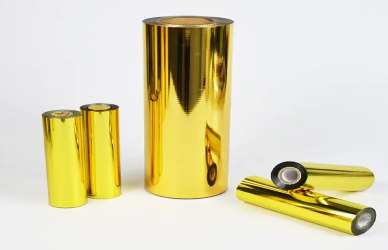
Cold foil printing offers numerous advantages for packaging, enhancing both visual appeal and cost efficiency while also providing eco-friendly options. Here are the key benefits:
Cold foil printing creates a striking metallic effect that elevates packaging, adding a premium look. It enhances logos, text, and intricate designs with a reflective finish, making products stand out on shelves. Available in various colors and finishes like gold, silver, and holographic, cold foil provides versatile, eye-catching designs that attract consumer attention.
Cold foil is a more sustainable choice compared to traditional foil stamping. It doesn’t require heat, reducing energy consumption and carbon emissions. The process also generates less waste, and many cold foils are recyclable. Additionally, using UV or water-based inks further minimizes environmental impact, making cold foil an eco-friendly packaging option.
Cold foil printing is more affordable than traditional hot foil stamping. It doesn’t require expensive tooling or high heat, reducing setup and production costs. This makes it a cost-effective option for both short and long runs, allowing brands to incorporate metallic finishes without breaking the budget.
Cold foil allows for highly detailed and precise designs, making it ideal for fine lines, small text, and intricate patterns. It ensures clean, sharp results, even on complex designs, and works well on various packaging materials like paper, plastic, and films.
Cold foil printing can deliver impressive results when executed correctly. To ensure optimal outcomes, it’s essential to follow best practices throughout the process—starting with material selection and ending with quality control.
The choice of materials and equipment is critical for successful cold foil printing:
Substrate: Select compatible substrates like paper, cardboard, or plastic with smooth, clean surfaces for effective adhesive bonding.
Cold Foil: Choose high-quality foils (metallic, holographic, or custom-colored) that match the desired effect and durability of the packaging.
Adhesives: Use adhesives that are compatible with cold foil printing, such as UV-curable adhesives, which provide strong bonding and quick curing.
Printing Equipment: Ensure the press is equipped with a cold foil unit for precise foil transfer, and that all equipment is well-maintained to avoid errors.
Precision is key in every stage of cold foil printing:
Adhesive Application: Apply adhesive evenly in the correct areas, ensuring it’s neither too thick nor too thin.
Foil Transfer: Ensure accurate placement of the cold foil on adhesive-coated areas, avoiding overspill or misalignment.
Curing: Properly cure the foil using UV or heat systems to ensure strong adhesion and a smooth, durable finish.
Each step requires close attention to detail to avoid issues like uneven coverage or poor foil transfer.
Maintaining consistent quality is essential:
Inspection: Regularly check samples during production for alignment, coverage, and adhesive issues.
Test Runs: Conduct test prints to identify potential issues before starting large runs.
Adjustments: Be ready to adjust adhesive, foil application, or curing times to maintain high quality.
Automated Monitoring: Use automated systems to track factors like adhesive thickness and curing to ensure consistency.
For best results, design packaging with cold foil in mind:
Strategic Placement: Use cold foil to highlight logos, text, and borders. Combine foil with other finishes for added impact.
Bold Designs: Focus on simple, bold elements for the best foil effect. Intricate details may be harder to achieve.
Color Contrast: Choose foil colors that contrast well with dark or neutral backgrounds to make them pop.
Avoid Overuse: Use foil sparingly to enhance key design features, ensuring it doesn't overwhelm the overall look.
Cold foil printing works best on smooth substrates such as paper, cardboard, and plastic. The material should be clean and compatible with the adhesive used in the process for optimal foil transfer.
The adhesive should be compatible with cold foil and the chosen substrate. UV-curable adhesives are a popular choice as they cure quickly and provide strong bonding. Water-based or solvent-based adhesives may be better for specific substrates.
Cold foil printing requires specialized equipment, including a press with a cold foil unit for foil transfer and curing systems (UV or heat dryers). Proper maintenance of equipment is essential for consistent results.
Ensure that each step of the process is carefully controlled: apply adhesive evenly, transfer the foil precisely, and cure the foil correctly. Any variation can lead to uneven coverage or poor adhesion.
Cold foil printing has proven to be a game-changer in packaging, offering distinct advantages in terms of visual appeal, cost-effectiveness, and sustainability. The ability to create premium, eye-catching metallic effects without the need for high heat or complex tools makes it a versatile choice for both high-end and everyday packaging. Brands can enhance their product's shelf appeal with a premium, reflective finish that draws consumer attention while keeping production costs lower than traditional foil stamping. As technology continues to evolve, the potential for cold foil in packaging will only expand, with innovations improving its efficiency, sustainability, and design capabilities. The future of cold foil printing looks bright, with ongoing developments in materials, equipment, and techniques that will further enhance its versatility and environmental benefits. Designers and brands are encouraged to explore cold foil printing as a powerful tool to elevate their packaging, offering a cost-effective, eco-friendly, and visually compelling solution that helps products stand out in a competitive market.
