
close
Choose Your Site
Global
Social Media

Views: 0 Author: Site Editor Publish Time: 2025-12-01 Origin: Site


Cold foil printing is a technique that applies metallic finishes to packaging materials without using heat. Unlike traditional hot foil stamping, which relies on high temperatures, cold foil uses a special adhesive to bond the foil at room temperature, creating a precise metallic effect.
Metallic finishes are crucial in packaging for enhancing visual appeal and strengthening brand identity. They help products stand out on shelves and convey a premium quality. Gold, silver, holographic, and custom-colored foils are popular choices, particularly for cosmetics, luxury goods, and high-end food packaging.
Cold foil printing offers a more versatile and cost-effective alternative to hot foil stamping. It requires lower equipment costs, faster setup times, and can be used on a wider range of materials, including heat-sensitive substrates like plastics and thin papers. Additionally, cold foil allows for more intricate designs, giving brands flexibility while keeping production costs lower.
Foil stamping has long been used to add metallic finishes to packaging, particularly in luxury goods like cosmetics, food, and high-end products. Hot foil stamping applies heat and pressure to transfer metallic foil, creating eye-catching designs. However, this process has limitations, especially regarding material compatibility and high costs.
Heat-Sensitive Materials: Hot foil requires high temperatures, making it unsuitable for heat-sensitive materials such as plastics, films, or thin papers, which could warp or be damaged.
High Costs: The need for specialized equipment like heated dies and presses makes hot foil stamping expensive, especially for small production runs. It is also slower, adding to production costs.
Energy Consumption: The heat-intensive nature of hot foil stamping increases energy usage and reduces its eco-friendliness.
These limitations led to the development of a more efficient and versatile solution: cold foil printing.
Cold foil printing uses adhesive to bond metallic foil to substrates at room temperature, eliminating the need for heat. This innovation made cold foil printing compatible with heat-sensitive materials, such as plastics and thin papers, without the risk of warping. Cold foil is also more cost-effective and energy-efficient compared to hot foil stamping, offering faster production and lower costs.
Works with Heat-Sensitive Materials: Cold foil can be used on a wide range of substrates, expanding its application in packaging where hot foil would not be viable.
Cost-Effective: Cold foil requires less specialized equipment and setup, making it more affordable for smaller runs and custom designs.
Faster Production: With no need for heat, cold foil printing reduces production times and costs.
Cold foil printing emerged in the 1990s, driven by advancements in UV-curable adhesives that offered better adhesion and faster curing times. The technique quickly gained popularity in luxury packaging and cosmetics, where high-quality metallic effects were in demand. Over time, cold foil technology improved, and its adoption expanded to various industries as a more flexible and affordable alternative to traditional foil stamping.
Cold foil printing emerged in the 1990s as an alternative to traditional hot foil stamping. It quickly gained popularity due to its ability to apply metallic finishes without heat, addressing limitations such as material warping and high production costs. Over time, the technology has evolved, incorporating advanced materials, improved equipment, and new techniques to broaden its application.
Advancements in Adhesive Technology
The development of specialized adhesives was critical to the success of cold foil printing. UV-curable adhesives, for instance, enabled faster curing and stronger adhesion, allowing cold foil to be applied to a wider range of substrates. These adhesives have also improved print quality, ensuring durable and sharp metallic effects.
Improved Printing Equipment
Early cold foil systems were simple, but today’s printing presses integrate cold foil transfer units, enhancing automation and precision. These improvements allow for finer details and faster production, making cold foil printing efficient and adaptable for both large-scale and small-run packaging.
Digital Printing and UV Inks
The rise of digital printing has enhanced cold foil’s capabilities, allowing for high-resolution designs and better integration with cold foil effects. UV inks, known for their quick-drying and vibrant results, complement cold foil by providing rich colors and faster curing, improving overall production efficiency.
Food and Beverage
Cold foil printing has become popular in food packaging, where it helps create eye-catching metallic effects on flexible films and plastic substrates, which are often heat-sensitive. The technique provides an attractive and affordable way to enhance packaging appeal.
Cosmetics and Personal Care
Cold foil printing is widely used in cosmetics packaging to create premium finishes. The ability to print on a variety of materials, such as plastic tubes and paper, makes it ideal for products requiring elegant and durable packaging.
Luxury Goods
Luxury brands use cold foil for high-end packaging due to its cost-effectiveness and ability to deliver sophisticated metallic finishes. This has expanded cold foil’s reach in sectors like perfume, jewelry, and premium alcohol packaging.
Other Industries
Cold foil has also been adopted in other sectors, including pharmaceuticals and consumer goods, where there is growing demand for distinctive and attractive packaging.
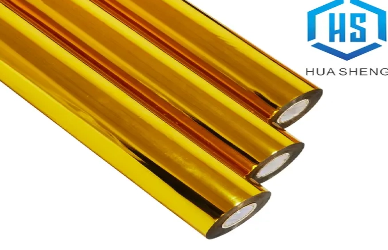
Cold foil printing has become a popular choice for customization and creative designs in packaging. Brands use it to achieve unique, premium effects that make their products stand out, with intricate metallic finishes on logos, patterns, and textures. This flexibility allows for high-quality, cost-effective branding across a range of materials and design styles.
Cold foil has expanded beyond luxury and cosmetics packaging into flexible packaging and labels. It's now commonly used on plastic films, pouches, and adhesive labels, which are often heat-sensitive. The ability to apply metallic finishes without heat makes cold foil ideal for these materials, offering new possibilities in branding for food, beverages, pharmaceuticals, and more.
Cold foil printing is more eco-friendly than traditional foil stamping, as it doesn't require heat, reducing energy consumption. This makes it a more sustainable option, particularly when applied to recycled or biodegradable substrates. UV-curable adhesives and inks further support faster, more energy-efficient production.
Recent innovations have expanded the range of finishes cold foil can achieve:
Holographic Foil: Shifting patterns that add dynamic, eye-catching effects, popular for high-end and security packaging.
Pearlescent Foil: A subtle, iridescent finish often used in luxury and cosmetic packaging.
Custom-Colored Foil: Brands can now choose from a wide range of colors, enhancing design flexibility.
The future of cold foil printing is set to see integration with smarter equipment and digital printing. This will enable faster production, intricate designs, and on-demand metallic finishes. Digital printing combined with cold foil will offer more customization and precision, while automated systems will reduce waste, enhance efficiency, and lower production costs.
As sustainability becomes a priority, cold foil printing is well-positioned to meet the demand for eco-friendly packaging solutions. It uses no heat, reducing energy consumption, and can be applied to sustainable materials like recycled and biodegradable substrates. This makes cold foil an attractive option for brands looking to reduce their environmental impact while maintaining premium packaging aesthetics.
While cold foil offers many benefits, challenges remain, such as the cost of equipment and specialized materials, which could limit accessibility for smaller manufacturers. However, as technology improves, these costs are expected to decrease, creating more opportunities. Additionally, achieving consistent high-quality results in cold foil printing requires precise control, though advancements in automation and printing technology will likely address this over time.
Despite these challenges, cold foil’s growing popularity presents significant opportunities. As brands demand more customized and sustainable packaging, cold foil is positioned to offer a solution that balances creativity, efficiency, and environmental responsibility.
Cold foil printing has made metallic finishes more accessible and affordable, enabling brands to achieve premium designs without the cost and complexity of traditional foil stamping. It offers greater versatility, allowing metallic effects on heat-sensitive materials like plastics, expanding its use across various packaging sectors.
Early cold foil printing faced challenges like adhesive consistency and equipment compatibility. Achieving a uniform adhesive layer was difficult, and older printing presses were not designed for cold foil technology. These issues have since been addressed with improved adhesives and upgraded machinery.
Yes, cold foil printing is more cost-effective because it eliminates the need for expensive dies and heating processes. It also reduces production time and energy consumption, making it a faster, more affordable option for metallic finishes.
Cold foil has become more eco-friendly by reducing energy use (no heat required) and supporting sustainable materials like recycled and biodegradable substrates. The use of UV-curable adhesives and inks also minimizes harmful chemicals, making it a greener choice for packaging.
Cold foil for packaging has transformed the industry by providing an affordable, versatile, and sustainable alternative to traditional foil stamping. By eliminating the need for heat, cold foil printing enables the creation of striking metallic finishes on a wide range of materials, unlocking new possibilities for creative and eco-friendly packaging solutions. Despite initial challenges, the technology has advanced significantly, offering brands faster production speeds, cost reductions, and greater design flexibility. As the demand for sustainable packaging continues to rise, cold foil for packaging is positioned to play an increasingly pivotal role in the future of innovative packaging design.
